Even slight increases in air pollution can heighten the risk of severe respiratory illnesses for infants born prematurely. Recent research draws attention to this critical issue. NICU Discharge Day The day a baby leaves the neonatal intensive care unit (NICU) should signify a monumental milestone. After enduring an extensive period filled with monitoring equipment, alarms,...
The Impact of Air Pollution on Preterm Infants’ Health
Studies have shown that even minor increases in air pollution pose significant health risks for infants born prematurely. These children are particularly vulnerable to respiratory illnesses. A preterm infant faces numerous challenges after birth. The neonatal intensive care unit (NICU) becomes a temporary home where they rely on advanced medical care to survive. Discharge from...
The Impact of Air Pollution on Preterm Infants
Research highlights the serious health risks posed by air pollution to preterm infants, emphasizing the vulnerability of this population. Even minor increases in air pollution can lead to significant respiratory issues in these infants. Discharge day in the neonatal intensive care unit (NICU) often brings relief to families. After enduring weeks or months of medical...
Air Pollution and Respiratory Risks for Preterm Infants
Recent studies highlight how even minor increases in air pollution can lead to significant respiratory issues, particularly for preterm infants. Understanding Air Pollution Impact Air pollution affects many vulnerable groups. Preterm infants are especially at risk due to their undeveloped respiratory systems. Research shows that exposure to pollution can cause long-term health challenges for these...
Managing Legionnaires’ Disease Risk Amid Outbreak in New York City
New York City officials are investigating an outbreak of Legionnaires’ disease that has caused multiple fatalities and affected numerous residents. As of July 21, five deaths and 82 diagnoses have been reported in connection with the outbreak on the Upper East Side, according to the New York City Department of Health and Mental Hygiene. Eight...
New Guidance on Coffee and Cardiovascular Health
Scientists have issued new guidance indicating that up to five cups of caffeinated coffee per day may be safe for most adults. This amount may even lower the risk of several major heart conditions. This finding is important because caffeine has long had mixed messages in cardiology, with many patients told to limit or avoid...
FDA Updates on Cyclospora Outbreak Investigation
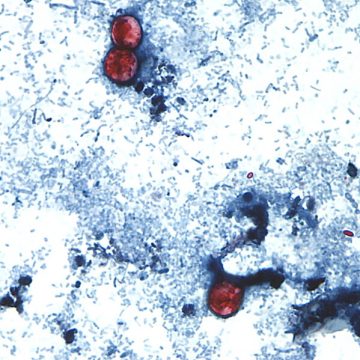
The Food and Drug Administration (FDA) has retracted a previous positive test result for the Cyclospora parasite in lettuce samples from Taylor Farms de Mexico. The outbreak has already affected over 1,600 individuals this summer, as reported by the Centers for Disease Control and Prevention (CDC). Initial tests suggested possible contamination in lettuce, but after...
FDA Investigates Cyclospora Outbreak Linked to Lettuce
Federal health officials continue to focus on Taylor Farms lettuce as the source of a multistate outbreak of a diarrhea-causing parasite, despite an error in test results initially reported over the weekend. The Food and Drug Administration (FDA) reported that a test had mistakenly shown a positive result for cyclospora in Taylor Farms lettuce, but...
FDA Maintains Focus on Taylor Farms Despite False Positive in Cyclospora Investigation
Federal health authorities are still concentrating on shredded iceberg lettuce from Taylor Farms as the potential source of a cyclospora outbreak. Although a previous statement indicated a positive test for contamination, the FDA retracted it after concluding that the sample did not truly indicate contamination. Due to the complexity in detection of Cyclospora, FDA laboratory...
New Insights on Coffee Consumption and Health
A recent study by the American Heart Association reveals that consuming up to five cups of coffee daily is safe for most adults and may even reduce the risk of cardiovascular diseases. This scientific statement indicates that up to 400 milligrams of caffeine per day, equivalent to five eight-ounce cups of coffee, is considered safe....