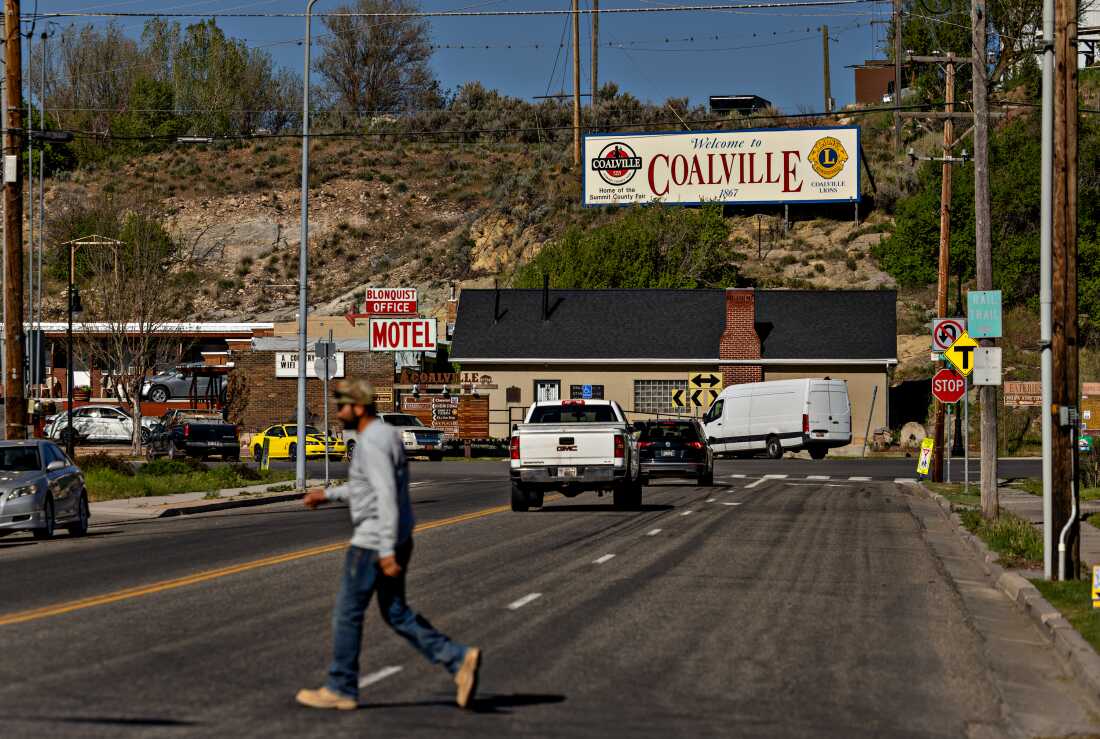
In Utah, a coalition of communities, from large cities to small rural towns like Coalville, are collaborating to increase renewable energy in the electric grid. This initiative could serve as a model for other U.S. cities to pursue climate action, especially as federal support wanes. NPR has dedicated coverage to how these communities are addressing climate solutions despite political challenges.
Renewable Energy Efforts
Following the start of President Trump’s second term and his focus on reviving the coal industry, policies emerged to inhibit new solar and wind projects. However, Utah’s diverse communities, including Salt Lake City, have formed Utah Renewable Communities, aiming to boost clean energy by 2030. This group seeks to offset power consumption in nearly 300,000 homes and businesses through renewable projects like solar arrays and wind farms.
“Clean energy is not just here and now,” said Emily Quinton, Summit County Sustainability Director. “It’s a long-term investment for a stronger grid.”
Communities with Coal History
Coalville’s history ties deeply to coal, with a statue commemorating its roots. Yet, towns like Coalville and Summit County are transitioning to renewable sources. Currently, coal and natural gas dominate Utah’s electricity production, contributing to climate change. But 22% of the state’s electricity now comes from renewables like wind and solar. The coalition’s goal is expanding this share, especially as federal support shifts away from renewables.
Utah’s legislation in 2019 enabled such community-utility partnerships, overcoming political hurdles to introduce more renewable energy sources. Lawmaker Steve Handy advocated for it, understanding that diversifying power sources is economically beneficial.
Urgency of Climate Change
Park City, a winter sports hub, feels the pressing need to address climate change. Unusually warm temperatures this past winter affected the snowpack, crucial for its economy and identity. Luke Cartin, Park City’s Director of Lands and Sustainability, emphasizes the coalition’s work as a point of community pride, showcasing that change is possible even in conservative states.
The coalition’s efforts offer a blueprint for other states, signaling that renewable energy solutions can be both economically viable and environmentally necessary.
Political Challenges and Economic Considerations
Projects planned by the coalition may not have proceeded without its formation. Utility company PacifiCorp had reduced plans for renewables, influenced by pro-fossil fuel federal policies. However, renewables remain cost-competitive compared to traditional power sources when paired with modern grid management technologies.
While political environments differ across red states, Utah’s approach highlights a potential shift in narrative, encouraging local initiatives to influence broader climate policy.
Local Implementation and Future Plans
Communities have until June 2 to commit to the program, which will introduce a fee for renewable energy to residents. This initiative provides a feasible path for rural areas like Castle Valley to transition to renewable energy. Residents like Alice Drogin remain hopeful about obtaining renewable-sourced power for their businesses.
Pamela Gibson of Castle Valley emphasizes collective action as essential for progress, with each community contributing toward a larger impact. The coalition anticipates announcing its initial clean energy project this summer, targeting power generation by 2030.
Leave a Reply