Introduction
Representative Brian Fitzpatrick has taken a strong stance against the $1.776 billion anti-weaponization fund announced by former President Donald Trump’s Department of Justice (DOJ). This fund, introduced as part of a settlement to resolve a lawsuit against the IRS, has sparked widespread criticism from both sides of the political aisle.
Fitzpatrick’s Opposition
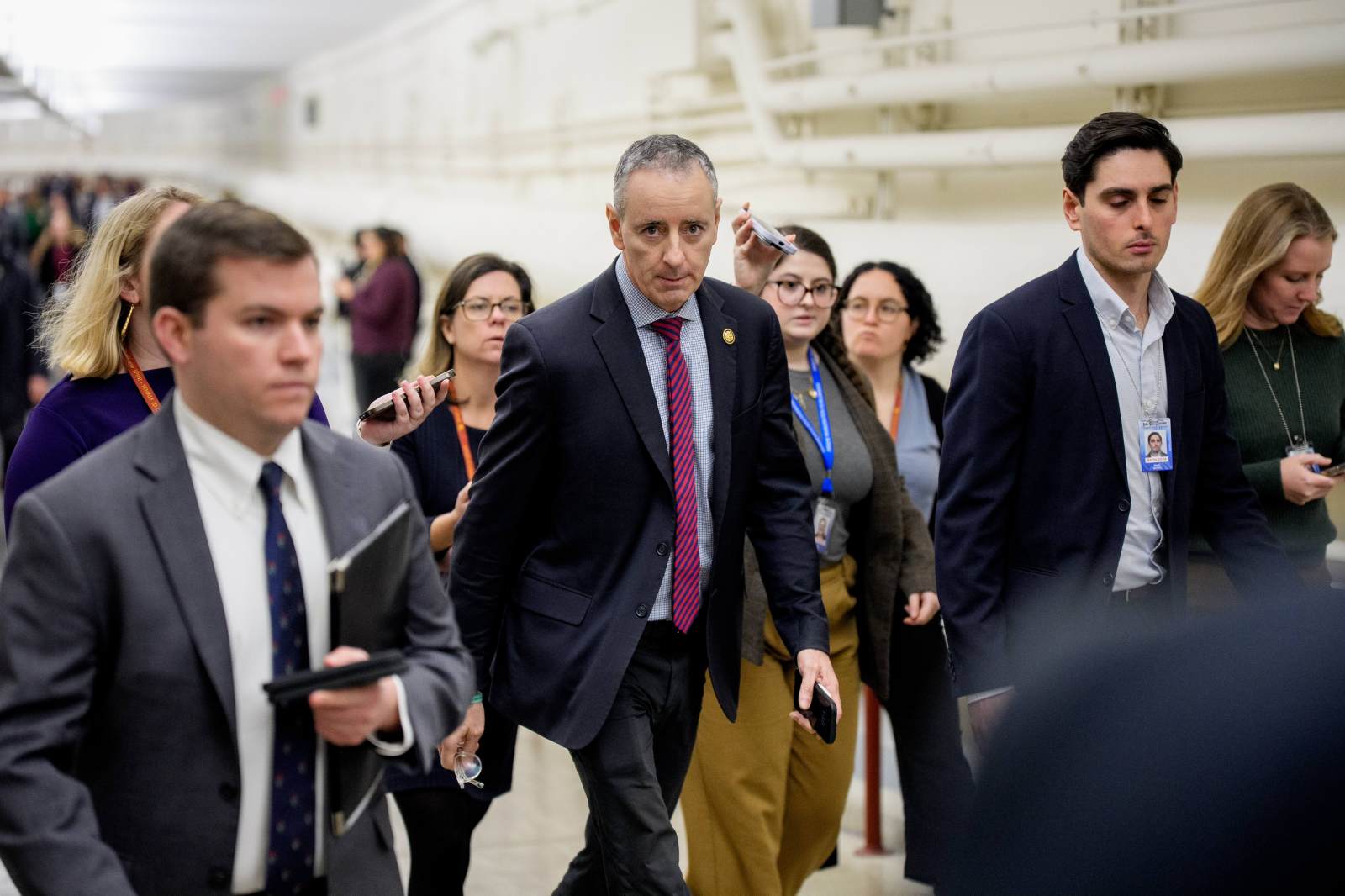
Brian Fitzpatrick, a Republican representing a swing district in Pennsylvania, voiced his opposition to the fund. In a video shared by Meidas Touch Washington Correspondent Scott McFarlane, Fitzpatrick expressed his intention to challenge the fund. “Bad news. We’re going to try to kill it,” he stated. Fitzpatrick mentioned legislative efforts and plans to communicate with the Attorney General to address his concerns about the fund’s legality and transparency.
In coordination with Democratic Representative Jamie Raskin from Maryland, Fitzpatrick supports forthcoming legislation aimed at preventing federal funds from supporting this initiative. Fitzpatrick outlined his apprehensions regarding the fund’s transparency and legal standing in a letter to acting Attorney General Todd Blanche, seeking clarity on various aspects of the fund’s administration.
About the Anti-Weaponization Fund
The DOJ unveiled the anti-weaponization fund claiming it would address grievances from individuals who faced legal actions perceived as driven by political bias. The fund allows for formal apologies and financial compensation without partisan restrictions. The funding will derive from a $1.776 billion judgment fund linked to the IRS lawsuit.
According to DOJ’s Todd Blanche, the fund provides a means for victims of so-called lawfare and weaponization to seek redress. Although the fund appears unprecedented, Senator Blanche defended its creation, emphasizing its universal availability beyond political lines.
Reactions and Criticism
The fund’s announcement met with strong bipartisan resistance. Republican Senate Majority Leader John Thune expressed reservations about the initiative. Senator Bill Cassidy of Louisiana criticized the fund’s lack of legal precedent and potential impact on the national debt.
Democrats and watchdog organizations condemned the fund’s establishment, suggesting it might divert taxpayer resources to Trump’s allies, potentially leading to unchecked claims of political persecution. Democrats voiced their disapproval, with Senator Patty Murray describing the fund as a misuse of taxpayer money.
Legal Challenges Emerge
The fund has faced legal hurdles, including a lawsuit from law enforcement officers Harry Dunn and Daniel Hodges, who raise concerns about its messages and implications. A significant number of House Democrats have joined an effort to oppose the fund legally, characterizing it as a misuse of public funds.
As the controversy continues, Representative Raskin has labeled the fund as a scheme to redirect taxpayer resources into a discretionary fund allegedly benefiting Trump’s supporters.
Leave a Reply