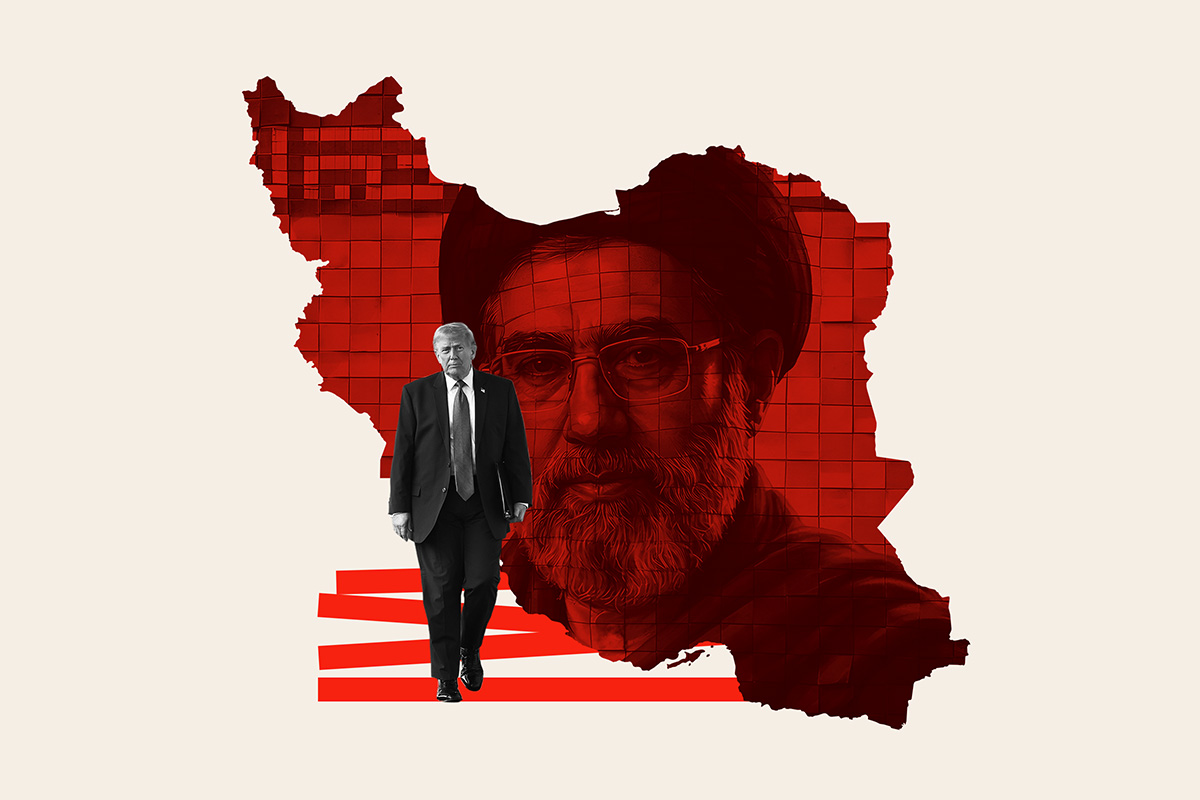
Nearly three months into the conflict between the U.S., Israel, and Iran, tensions continue to rise. Tehran remains defiant despite facing significant threats from the White House. The resilience of Iranian leadership seems to be strengthening their stance. Even after losing key leaders and resources, Iran has unified its internal factions to maintain heavy demands for ending the war on their terms.
An Iranian Stand
Iran has managed the situation strategically. Despite U.S. and Israeli efforts, Iran’s control over the Strait of Hormuz remains firm. Attacks on neighboring Gulf countries have strained regional relations, adding pressure on global consumers. Iran’s tactics have included dispersing command structures and conserving missile and drone resources. This highlights their commitment to enduring the war’s economic toll longer than opponents might expect.
International Reaction
On a recent Monday, President Trump paused a planned military operation against Iran after consultations with Saudi Arabia, the UAE, and Qatar. Trump indicated that these discussions might lead to a deal preventing Iran from obtaining nuclear weapons, though Iranian officials deny such ambitions. Trump’s warnings of attacking Iran if talks fail do not seem to sway Iranian officials.
Iranian military and political leaders remain assertive at the negotiation table, upholding demands like U.S. withdrawal from the region and reparations. Their strategy to assert control over the Strait includes implementing tolls. Despite hardships on their economy, internal unity against foreign threats persists.
U.S. Strategic Ambiguity
Experts indicate that the U.S. approach lacks clear objectives. Trump’s refusal to acknowledge any setbacks complicates resolving the conflict. His aim of improving upon past nuclear agreements with Iran faces obstacles, especially since the 2015 deal reduced Iran’s uranium capabilities significantly.
Demands related to Iran’s missile capabilities and regional alliances remain unachieved. Intelligence assessments suggest Iran still retains significant military resources, contrary to U.S. goals.
Domestic Challenges
At home, President Trump grapples with decreasing support for the war. A survey shows 64% opposition to the conflict among Americans. Trump’s approval rating has suffered, reflecting public dissatisfaction.
The Iranian regime views their survival amid difficult circumstances as a testament to their strategy. Analysts suggest that Iran, motivated by its political survival, may endure longer than the U.S.
The ramifications of the war extend beyond the immediate conflict. Analysts warn it could eventually motivate Iran toward nuclear capabilities, driven by perceived foreign threats. While Iran denies seeking such weapons, ongoing pressure might alter their stance.
Leave a Reply