The analysis conducted by ProPublica reveals that under Mayor Tim Keller, Albuquerque has seen a notable increase in the criminalization of activities associated with homelessness. This shift has led to a significant rise in charges and arrests related to unlawful conduct tied to homelessness.
Increased Charges and Arrests
In 2025, Albuquerque experienced a sixfold surge in charges for unlawful camping. Sidewalk obstruction charges reached 1,256 cases, and trespassing charges were the highest since 2017. These citations often escalate to arrests, with around 49% of the jail population being homeless individuals.
During his reelection campaign, Mayor Keller criticized the idea of toughening measures against the homeless, deeming it cruel. Despite this stance, data suggests that under his leadership, criminalization efforts have increased, with 2025 seeing a substantial rise in charges such as sidewalk obstruction and unlawful camping.
The Impact on Homeless Populations
Charges of obstructing sidewalks, camping, and trespassing have surged. Although many cases are dismissed once adjudicated, missed court dates due to logistical issues often lead to bench warrants and arrests. The homeless population in Bernalillo County jail has soared to nearly 12,000 in 2025, with homeless individuals comprising about 49% of the jail’s population. This trend reflects a broader spike in misdemeanor warrants and arrests, often leaving the jail with more homeless inmates than available shelter spaces.
Policy and Enforcement Challenges
Mayor Keller defends any police actions as following the law, emphasizing Albuquerque’s efforts to avoid more punitive measures some cities employ. Before arrests, the city typically issues three citations; however, affected individuals claim they’ve faced arrest without receiving prior citations. Enforcement of laws and associated costs, like the $169 per night to house inmates (rising for those with significant medical or mental health needs), far exceed sheltering costs.
In 2024, U.S. cities, including Albuquerque, increased laws targeting homeless populations. Despite being costly, such enforcement continues under the justification of public demand for law enforcement.
Demographic and Legal Implications
Efforts to address homelessness involve enforcing laws against activities inherent to survival without housing. Advocates argue for alternative solutions, such as designated sites where homeless individuals can reside without regular harassment. However, arrests and citations remain frequent, significantly impacting the lives of individuals like Natalie Rankin and Priscilla Montano, who regularly face legal repercussions.
Responses and Legal Action
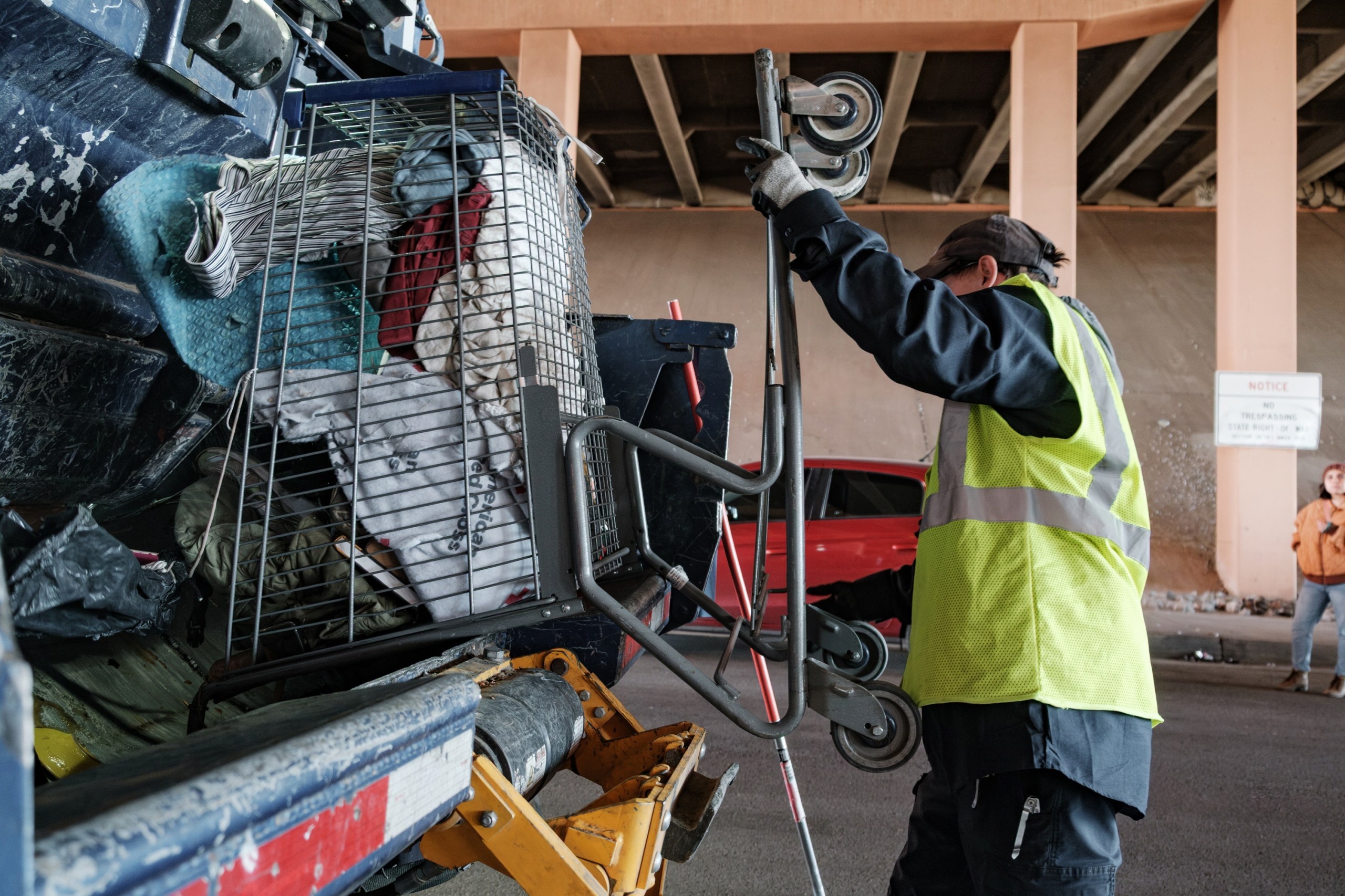
Current and former homeless individuals have sued the city over what they perceive as criminalization of homelessness. ProPublica’s investigations showed frequent disposal of personal belongings during encampment sweeps, contravening existing policies and court orders. Homeless individuals face an increased risk of arrest due to missed court dates, often linked to inadequate notification mechanisms like lack of mailing addresses or cell phones.
Concluding Observations
ProPublica’s in-depth analysis of over 100 cases and discussions with homeless individuals show a pattern of increased citations, resulting in recurring arrests. The methodology involved examining records related to criminal trespassing, unlawful sidewalk obstruction, and camping, revealing systemic issues tied to the city’s approach to homelessness.
Leave a Reply