President Trump’s proposal to end the conflict with Iran suggests addressing the most contentious issues later. This tactic, used in Gaza, has had varied outcomes.
In recent negotiations, the U.S. and Iran are trying to end their ongoing war. President Trump is following a familiar strategy for Middle East crises. The approach involves implementing a cease-fire first and postponing tougher discussions. Analysts note this method showed mixed effectiveness in the Gaza Strip, where Trump previously facilitated a truce between Israel and Hamas, a group supported by Iran.
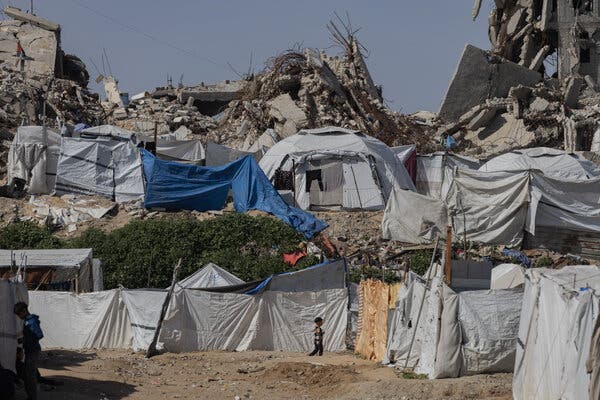
A planned Phase 2 agreement in Gaza has stalled. It required Hamas to disarm and allowed Israel to rebuild Gaza post-war damage. The U.S.-Iran talks face similar risks if handled this way.
The Trump administration’s latest plan emphasizes ending Iran’s blockade of the Strait of Hormuz. This vital Persian Gulf waterway is crucial for oil and gas transport. The blockade began after U.S. and Israeli attacks on Iran in February. It led to increased energy prices, pressuring Trump domestically as voters faced higher costs.
The strategy would defer addressing the more challenging issues. These include ending Iran’s nuclear activities, discussing its missile arsenal, and its backing of various militia groups in the Middle East.
Michael Koplow, chief policy officer at the Israel Policy Forum, explains that phased negotiations can have benefits. However, this tactic might allow Trump to claim success without solving core problems.
Military conflict has made Iran’s leaders more resolute, reducing their willingness to compromise in future discussions, according to analysts.
Leave a Reply