A possible agreement between the United States and Iran is taking shape. This deal aims to end ongoing hostilities and reopen the critical Strait of Hormuz. President Donald Trump announced over the weekend that the negotiations were ‘largely negotiated.’ However, the specifics of its finalization and implementation remain unclear. President Trump shared this news after discussions with Middle East allies, including a separate call with Israel. Details are derived from anonymous sources: two regional officials and a U.S. official, given the sensitivity of the negotiations.
Ending the Hostilities
The conflict began 12 weeks ago when the U.S. and Israel launched attacks on Iran, claiming the lives of several senior leaders, including Supreme Leader Ayatollah Ali Khamenei. Iran has insisted on making any agreement focused on stopping the fighting across all involved fronts. This includes Lebanon, where Hezbollah has been engaged with Israel since two days into the conflict. Though fragile, a ceasefire has been holding since April 7. Ending the conflict could alleviate regional tensions and allow the resumption of global shipping through the Strait of Hormuz, a passageway for 20% of the world’s oil and natural gas. Additionally, it opens up possibilities for rebuilding essential infrastructure in the affected areas.
The draft deal reportedly involves stopping the conflict between Israel and Hezbollah. It contains a key provision about not interfering in the domestic affairs of regional countries, such as Iran. This is crucial as it touches on Iran’s support for groups like the Houthi rebels in Yemen and Hamas in Gaza. The U.S. seeks for Israel to have the freedom to respond to perceived threats in Lebanon, an idea Iran opposes.
Gradual Reopening of the Strait of Hormuz
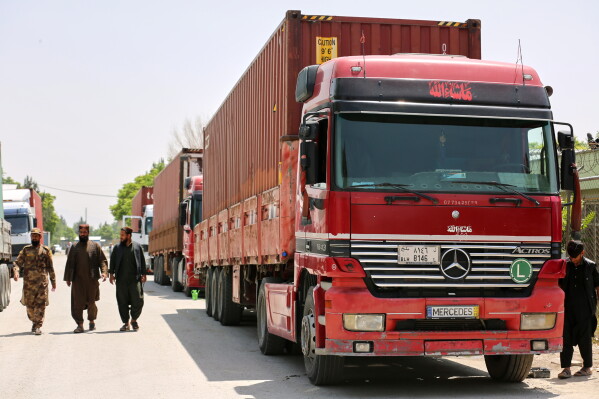
Iran’s nuclear and missile programs, along with its support for armed proxies, were reasons for the U.S. and Israel’s initial attacks. Iran’s control over the Strait of Hormuz quickly became a global concern. Hundreds of ships loaded with oil, gas, and other vital supplies were stranded. As part of the tentative agreement, the strait would gradually reopen alongside the lifting of the U.S. blockade on Iran’s ports, which began April 17. This blockade has curtailed Iran’s oil exports and strained its economy. According to an informed official, the U.S. would allow Iran to sell oil through sanctions waivers, with related negotiations scheduled over a 60-day period.
Iran’s Nuclear Commitment
The heart of existing tensions revolves around Iran’s nuclear program. The U.S. and Israel considered complex military plans to neutralize Iran’s stockpile of highly enriched uranium. In the potential agreement, Iran would relinquish its stockpile, according to regional officials. Further discussions during the 60-day period will determine the specifics. Some uranium may be diluted, with the rest potentially transferred to Russia, which has expressed willingness to take it. A U.S. official confirmed the 60-day timeline and sanctions relief is conditional upon Iran meeting its commitment.
Iran holds 440.9 kilograms of uranium enriched up to 60% purity, which is close to weapon-grade. Iran asserts its right to nuclear technology, emphasizing the peaceful nature of its program. On state television, President Masoud Pezeshkian assured viewers they are not pursuing nuclear weapons. Reflecting on the changing relationship, President Trump stated on social media that the U.S. interaction with Iran has become more professional but noted that Iran must not pursue nuclear weaponry.
Unaddressed Issues
Some topics remain absent from the deal’s reported terms, such as specifics on Iran’s uranium enrichment. Similarly, Iran’s missile program, a concern for Israel, is not mentioned. While the U.S. and Israel had goals related to internal upheaval in Iran following nationwide protests, discussions around leadership changes in Tehran appear absent as well. Additionally, previous objectives stated by Iran, like the withdrawal of U.S. forces and reparations for wartime damages, do not appear in current discussions.
Report by Superville from Washington and Anna from Lowville, New York.
Leave a Reply