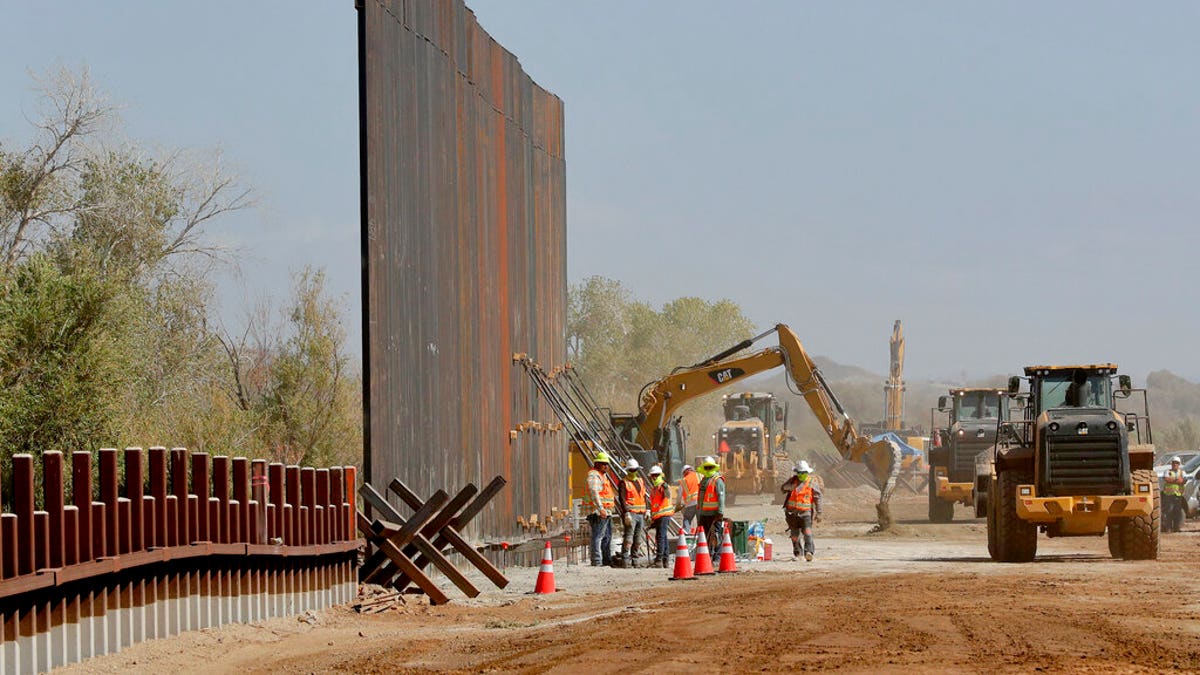
A federal judge in Arizona has permitted the continuation of border wall construction after attempts to block it by a Native American tribe. The Tohono O’odham Nation contended that the construction along its southern boundary with Mexico would be illegal trespassing and reduce the size of their reservation.
Judge Richard Leon highlighted a 1907 federal proclamation stating that the first 60 feet of the reservation could be used for federal purposes. He said, “Given the national security and foreign policy considerations related to the border wall, deference to the government is warranted.”
The Tohono O’odham Nation opposed the construction by posting “no trespassing” signs and warning federal workers against entering their lands for border wall activities.
The tribe’s land shares a roughly 62-mile border with Mexico. They communicated on Facebook, urging law enforcement to escort those involved in the wall construction off their land. The 1907 proclamation by President Theodore Roosevelt established that all public land within 60 feet of an international boundary is under federal control. This move aimed to combat the smuggling of goods between the U.S. and Mexico. The Tohono Nation became a reservation in 1917, postdating Roosevelt’s proclamation.
This legal decision is a victory for the federal government and follows President Donald Trump’s administration celebrating a period with no border releases at the U.S.-Mexico border. Homeland Security Secretary Markwayne Mullin’s office reported a 94% reduction in daily border apprehensions compared to former President Joe Biden’s administration, marking the lowest figures in 30 years.
“This month, it’s evident: President Trump’s border security strategy is restoring order and prioritizing the safety of the American people,” Mullin stated. The Department of Homeland Security remains dedicated to enforcing immigration laws, securing borders, and swiftly removing those entering the country illegally. Mullin emphasized, “Thanks to President Trump’s leadership, we have the most secure border in history.”
Leave a Reply