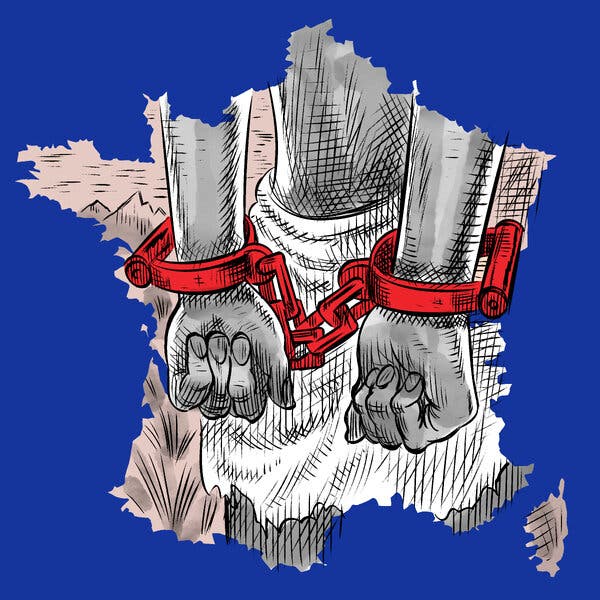
In May 2025, François Bayrou, who was the French Prime Minister at the time, faced an unexpected query from a Parliament member. The question was about why France had not formally annulled the Code Noir. This notorious set of laws once enforced slavery in French colonies. Bayrou, visibly taken aback, assured Parliament that a bill to abolish the Code Noir would soon be presented. He expressed hope for unanimous approval. However, political changes left the laws untouched temporarily.
Now, more than a year later, a new legislative proposal is in motion. On May 28, a bill by Max Mathiasin, a lawmaker from Guadeloupe, will be presented in the French National Assembly. This proposal aims to officially nullify the slave laws. This will occur 341 years after their inception under King Louis XIV. Annuling these laws is overdue, yet it is essential to consider the historical context they reveal about France’s colonial slavery.
The Code Noir’s Origins and Implications
The Code Noir, commonly known as the Black Code, had a profound impact on colonial practices. Many have heard of its role in dehumanizing African captives by defining them as “movable goods” or heritable property. While primarily designed to justify colonial profit, these laws were heavily influenced by King Louis XIV’s Catholic views. Notably, the first article targeted Jews, expelling them from Caribbean colonies before even mentioning slavery.
Under this chilling framework, Catholic slave-trading nations presented a grim offer to African captives: surrender freedom in exchange for eternal salvation in Christianity. For Louis XIV, this was a core principle of the slave-driven economy. Unlike English colonies, like early Virginia, where captives were generally not baptized due to Protestant beliefs that Christians should not be enslaved, French colonies embraced this religious component.
Religion and Slavery: A Complex Relationship
Louis XIV’s belief that forced labor could be divinely benevolent shaped colonial life significantly. Religious orders involved in educating both free and enslaved beings, like the Jesuits, ended up managing slave plantations to fund their missions.
Consider Jean-Baptiste Labat, a Dominican priest managing a sugar plantation in Martinique during the 1690s. Responsible for the baptism of enslaved individuals, he displayed contradictions in his actions. He grieved over the death of enslaved children, yet imposed severe punishments for African spiritual practices. Labat’s duality illustrates the Code Noir’s systemic influence, emphasizing its impact on character and morality.
This narrative reflects more than individual failings. It demonstrates how the framework intended to operate. These revelations from history urge a deeper examination of France’s colonial past beyond symbolic gestures or legislative measures.
Leave a Reply