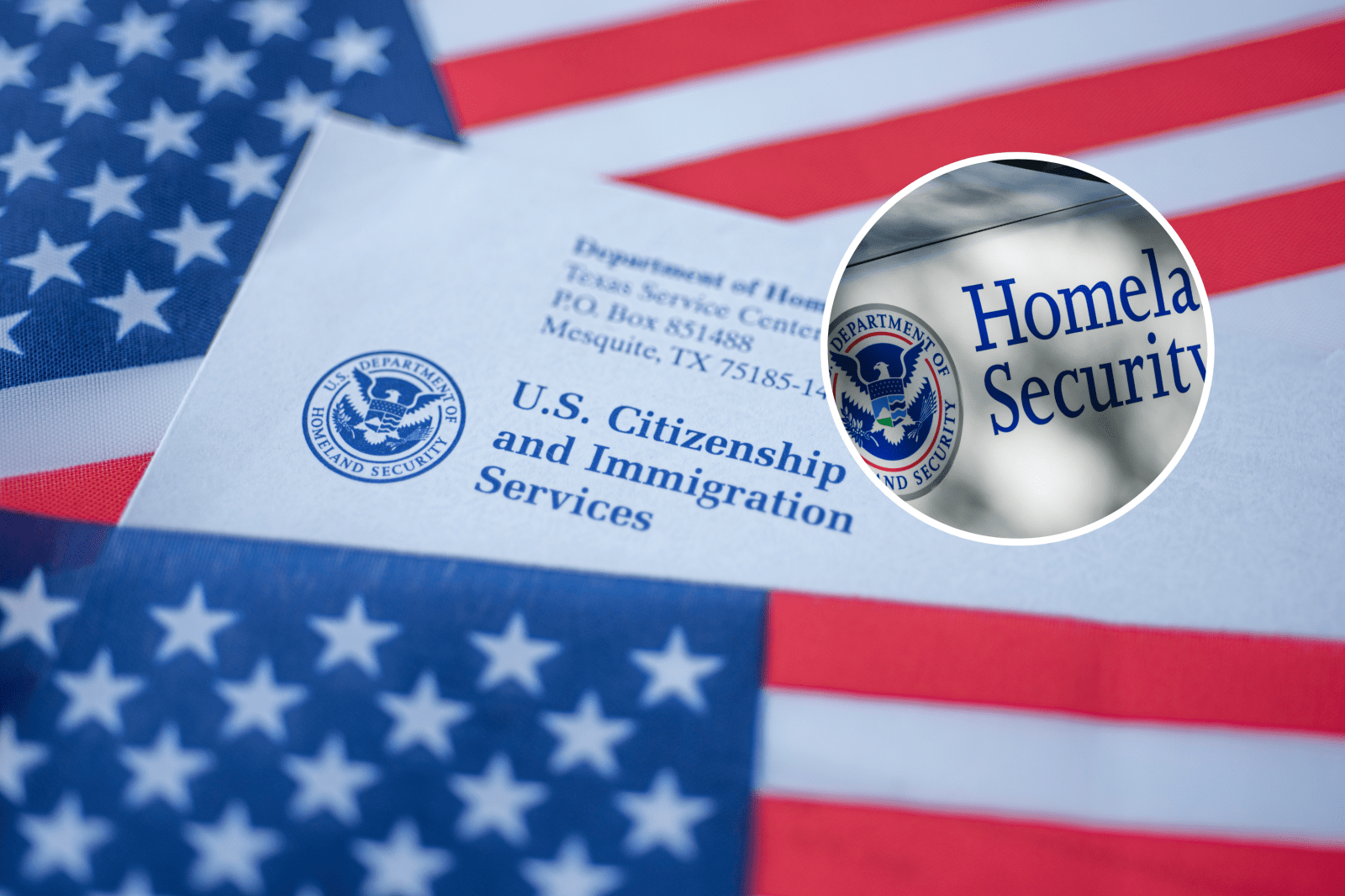
Understanding the DHS Clarification
The Department of Homeland Security (DHS) clarified a controversial immigration policy regarding green card applications. DHS stated that most applicants will not be required to leave the U.S. while their cases are processed.
Officials clarified that the recent guidance from U.S. Citizenship and Immigration Services (USCIS), suggesting return to home countries except in “extraordinary” cases, was not a sweeping policy shift. DHS emphasized that the decision remains at the discretion of immigration officers, assessed case-by-case.
“This was just a reminder to officers of their discretionary authority, which has always existed on a case-by-case basis,” a DHS spokesperson told The New York Times.
Impact and Reactions
This clarification follows confusion and backlash from various stakeholders worried about disruptions to established immigration processes. While applicants might be asked to leave the U.S. based on individual circumstances, most can continue staying.
- DHS says most applicants will not need to leave the U.S.
- The update is a “clarification,” not a new major policy.
- Decisions remain on a case-by-case basis by officers.
- Confusion exists over potential impacts and affected individuals.
- Applicants face new questions during interviews.
Significance for Immigrants
For decades, immigrants have used “adjustment of status,” applying for permanent residency without leaving the country. Last week’s doubts triggered system-wide concern as family-based applicants, who represent the largest group, typically apply from inside the U.S.
Official Statements
DHS noted the prior announcement was not a major change but a restatement of authority. Officers have the discretion to require applicants to process abroad as needed.
The previous framing from USCIS, describing applying from within as an “extraordinary” exception, was clarified. Despite updates, DHS hasn’t specified criteria for requiring applicants to leave, leaving decisions to officers.
Officials indicated scrutiny may increase for some groups, including visa overstays or individuals from countries with higher public assistance use, but no firm criteria are provided.
Widespread Confusion and Concerns
Reports reflect varied experiences in the system regarding policy application. Immigration lawyers reported conflicting accounts and varied treatment of applicants.
Attorney Elissa Taub from Siskind Susser noted “conflicting” applications of the policy. Angelo Paparelli from Vialto Law stated applicants face questions on why they apply from the U.S. instead of abroad.
The inconsistent rollout hinders lawyers’ ability to advise clients and assess legal challenge potential. Concentration of green cards among few countries means some nationalities could face disproportionate effects.
Future Implications and Critiques
The administration faces criticism for managing backlash from prior guidance. Benjamin Johnson of the American Immigration Lawyers Association identified uncertainty complicates legal challenge preparations.
Neil Bradley from the U.S. Chamber of Commerce raised concerns over disruptions for employers and urged for improved legal immigration systems.
The reliance on individual officer decisions adds uncertainty for applicants and employers on policy outcomes.
Leave a Reply