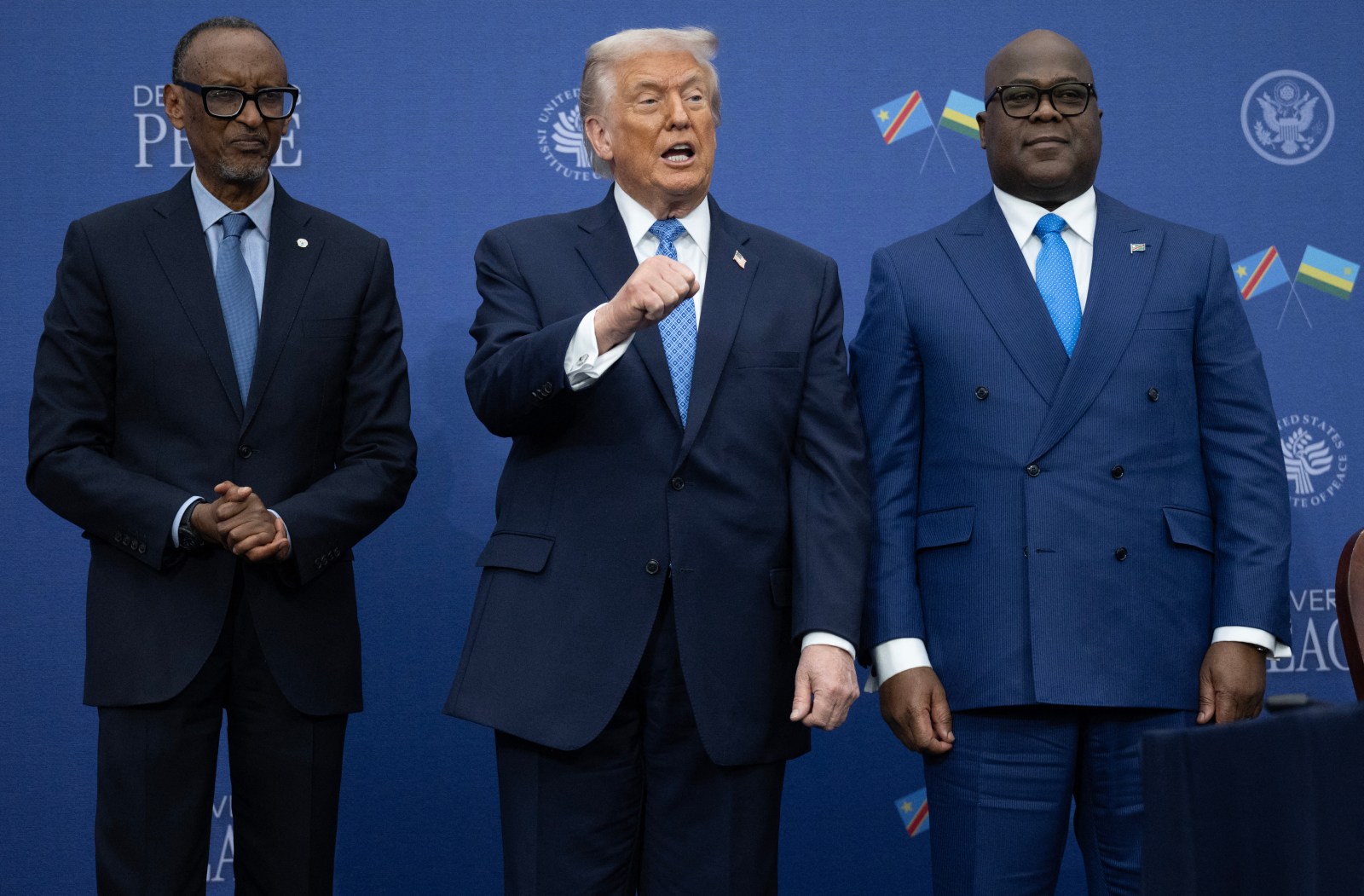
Nearly a year after Congo and Rwanda signed a U.S.-supported peace agreement, efforts to bring stability to Africa’s Great Lakes region face hurdles. The U.S. must press its Congolese allies to honor their commitments to secure the Washington Peace Accords.
The U.S. has criticized Rwanda and its M23 allies for their actions. Rwanda supported a military offensive by M23 to capture Uvira, a significant city in South Kivu province, while talks on the Washington Accords were ongoing. This move challenged U.S. mediation efforts to resolve the decades-long conflict, which aims to incentivize peace with substantial U.S. investment.
In response, the U.S. imposed sanctions and visa restrictions on senior Rwandan officials in March. In April, former Congolese President Joseph Kabila faced sanctions for backing M23. Rumors suggest the U.S. denied Rwandan President Kagame a visa for an event at Harvard. The Rwandan army has become the second African national army sanctioned by the U.S.
Congo’s President Tshisekedi has gained favor with the U.S. after signing a strategic partnership that grants U.S. firms access to the Copperbelt region. The agreement reroutes Congolese mineral exports to the Atlantic via the U.S.-funded Lobito railway. Congo also supports U.S. immigration policies by agreeing to accept deportees from Latin America and possibly the Middle East.
Congo appears to be a cooperative partner, but the reality is different. Despite M23’s retreat since December, the Congolese army has intensified drone and ground attacks, occasionally resulting in civilian casualties. Congo delays progress in Qatari-mediated talks with M23 over technicalities.
Congo continues to back nonstate armed factions. Senior military officials undermine peace efforts, and the government channels funds to militias that attack M23. These militias include the Democratic Forces for the Liberation of Rwanda (FDLR), linked to the 1994 Rwandan genocide. Congo even increased collaboration with this group.
If the U.S. fails to pressure Kinshasa, it jeopardizes its peace efforts and regional partnerships, including Congo. Tshisekedi may not engage seriously in peace talks if he believes the U.S. fully supports him. He considers M23 an illegitimate group to be defeated militarily, and U.S. backing strengthens this view.
On the flip side, Rwanda and M23 find little reason to engage in a peace process they perceive as unfair. Kagame criticized the U.S. approach, stating Rwanda will not surrender. Targeting Rwanda alone reinforces suspicions of international hostility among Rwandans.
The U.S., by not addressing these issues, risks undermining its partnership with Congo. Tshisekedi uses the ongoing conflict to justify a constitutional rewrite for a third term. He employs the Washington Accords to crack down on opposition by labeling opponents as M23 allies. Opposition criticism of the U.S.-Congo partnership endangers future cooperation.
The U.S. should increase pressure on Congo, starting with the Washington Accords. It must demand Congo stop supporting the FDLR and begin military actions against them. The U.S. could impose targeted sanctions on Congolese officials blocking these efforts and halt defense cooperation with Congo until compliance is met.
The U.S. should also privately encourage Congo to engage genuinely in Qatari-led talks. Reaching a Congo-M23 agreement is crucial, including granting M23 control over some territories. The U.S. can help Tshisekedi manage domestic backlash by providing tangible benefits through the mineral partnership.
To achieve peace and prosperity, the U.S. must hold all parties, including its allies in Kinshasa, accountable. While offering support, the U.S. must ensure Congo does not undermine the peace process.
Liam Karr is the Africa team lead, and Yale Ford is an analyst for the Critical Threats Project at the American Enterprise Institute. The views expressed in this article are the authors’ own.
Leave a Reply