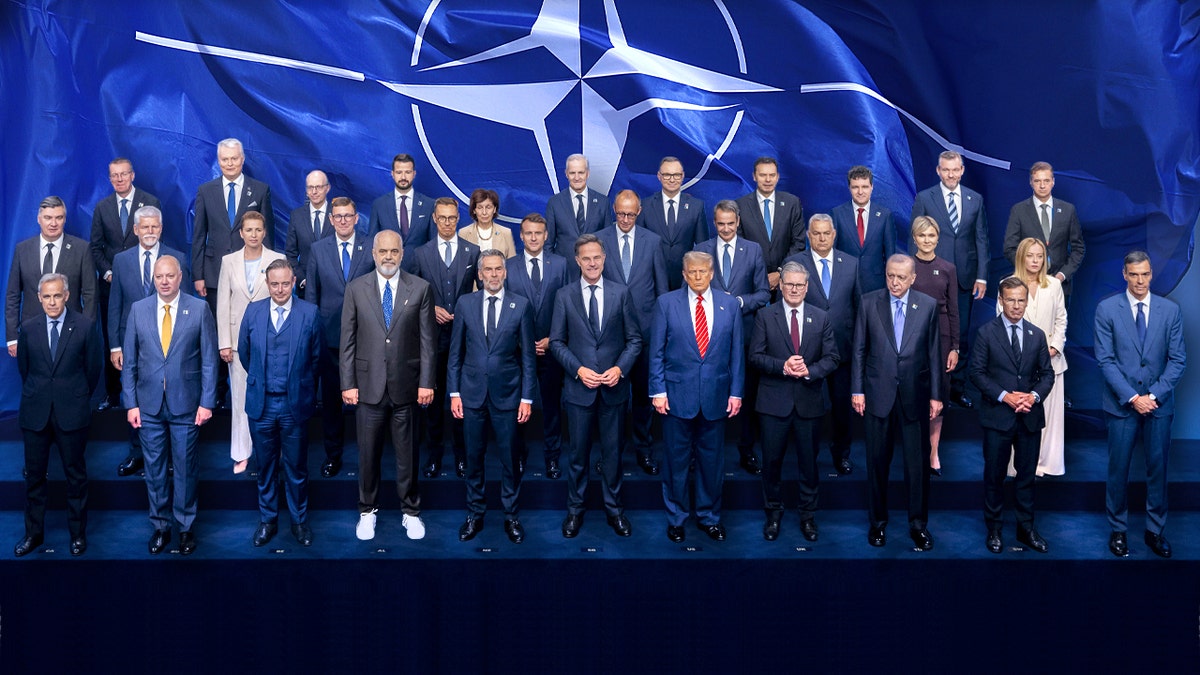
The North Atlantic Treaty Organization (NATO) has long been a pivotal force in global defense. However, over the past thirty years, the burden of military spending within the alliance has been unevenly distributed. The United States has historically shouldered the majority of this burden, while European allies have lagged in defense expenditure. This disparity remained even after the Cold War and through numerous U.S. administrations, up until recent shifts in global dynamics.
Post-Cold War Optimism and Its Impact
Following the collapse of the Soviet Union, optimism led many European governments to divert funds from defense to domestic programs. Barry Posen, a political science professor at MIT, explained that this underinvestment occurred partially because perceived threats were low and because of repeated assurances from the U.S. about its commitment to European defense.
The ‘peace dividend’ allowed these nations to prioritize social welfare over military expenditure. From 1992 to 1999, defense spending among European NATO nations decreased by 22%. Despite maintaining a strong American military presence in Europe, which assured security, critics argued that American taxpayers unfairly subsidized Europe’s defense, allowing European nations to allocate more resources to domestic issues.
The Persistent Imbalance
This financial arrangement resulted in what some analysts describe as a ‘moral hazard.’ The unwavering U.S. commitment to NATO meant allies could reduce their own defense spending without facing serious repercussions. According to NATO Secretary-General Mark Rutte, Europe still relies heavily on American military capabilities, including logistics, intelligence, missile defense, and nuclear deterrence.
Historical frustrations with this imbalance date back to 1953 when President Dwight D. Eisenhower warned that the U.S. could become exhausted, prompting calls for Europe to bear a larger share of defense costs. Despite consistent pressure from successive U.S. administrations, real change was slow.
Changing Dynamics and Increased Spending
The need for increased defense spending gained urgency after Russia’s annexation of Crimea in 2014. NATO set a benchmark for members to spend 2% of GDP on defense, yet progress was inconsistent. Jim Townsend, former Deputy Assistant Secretary of Defense for Europe and NATO, noted that it wasn’t until Russia’s 2022 invasion of Ukraine and the pressure from President Trump that serious discussions about spending began.
Unlike prior administrations, Trump openly questioned whether the U.S. should protect allies failing to meet spending commitments, creating a significant shift in alliance dynamics. This approach, coupled with increasing threats, prompted European leaders to reconsider their defense policies significantly.
The Hague Summit and New Goals
In a significant move, NATO allies agreed at a summit in The Hague to aim for a new defense spending target of 5% of GDP by 2035. This agreement marked a substantial departure from the historical 2% target, reflecting a broader consensus about the increasing threat environment.
Nevertheless, analysts caution that adjusting to this new standard involves more than financial commitment. John Byrne, from Concerned Veterans for America, highlighted that Europe remains heavily reliant on the U.S. for various military capabilities. Furthermore, building military readiness involves more than equipment purchases; it requires years of leadership and operational experience common in large multinational military operations.
The transformation of NATO’s defense capabilities will not happen overnight, and Europe must continue to address its reliance on American military power.
Leave a Reply