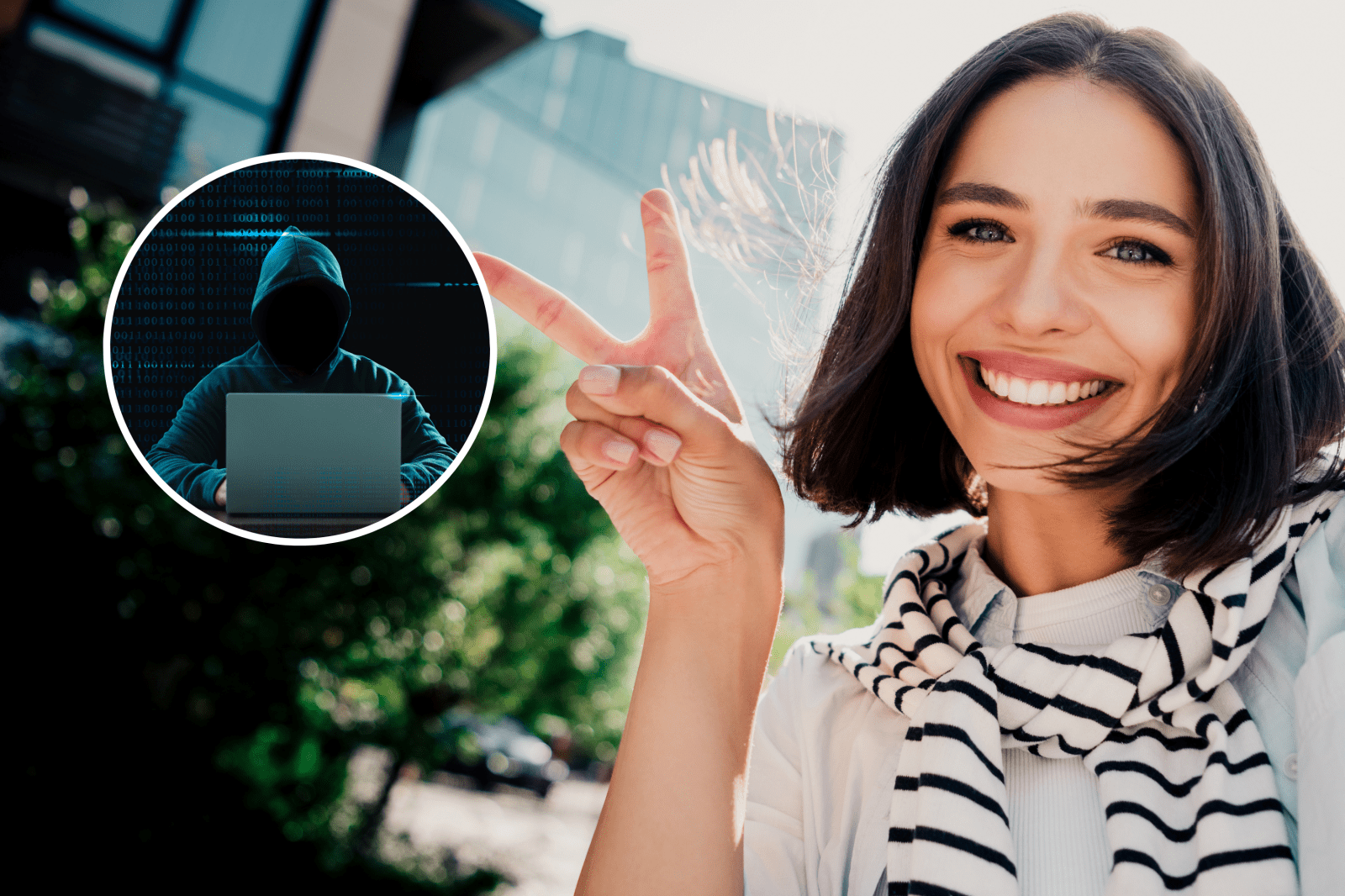
Every day, millions of users post polished images on platforms such as TikTok and Instagram. With smartphones from Apple, Samsung, and Google, capturing high-quality photos has never been easier. Yet, the advanced capabilities of these cameras also pose significant risks. For instance, selfies may inadvertently expose fingerprint patterns, offering near-forensic precision.
The Vulnerability of Fingerprint Patterns
Cybersecurity expert Bryan Lopez from Microsoft stresses the increasing threat. He points out that high-resolution cameras can capture enough detail for AI tools to create biometric templates from social media images. Tasks that once required a forensic lab are now accessible to less specialized actors.
The Expanding Biometric Threat
The risks extend beyond fingerprints. AI has broadened what Bryan Lopez calls the “biometric threat surface.” Small audio samples, like those in vlogs and podcasts, can now be transformed into convincing synthetic voices, which are then used to bypass voice authentication and manipulate individuals and organizations. Deepfakes have reached a point where minimal images can be used to fabricate realistic videos of someone doing or saying things they never did. Such tools threaten reputations and increase risks of identity fraud and extortion.
A key problem is the general unawareness of these threats. Innocent gestures, like making a peace sign in a photo, might seem harmless, but they can compromise security when captured by high-resolution cameras.
Rising Cybercrime Concerns
In 2024, cybercrime reached alarming levels. The FBI recorded 859,532 complaints with losses over $16 billion. Phishing accounted for 3.4 billion malicious emails daily. What makes biometrics unique—and risky—is that, unlike passwords, they can’t be changed. Once compromised, your data may be permanently exposed.
HYPR’s CEO, Bojan Simic, underscores this point. While reconstructing fingerprints from images is complex, relying solely on biometrics for authentication is hazardous in this era of enhanced AI and sophisticated threats.
Protecting Your Identity
Simic recommends using passkey-based authentication that combines biometrics with device-bound cryptographic credentials. This approach is safer because biometric identifiers can’t be changed like passwords can.
For regular users, Lopez advises immediate actions. Enhancing privacy settings on social media helps but isn’t foolproof. Limit exposure by locking accounts to followers, disabling location metadata, avoiding close-up images of hands and faces, and being cautious with video content where voices are clearly heard. Platforms maintaining original image quality pose additional risks.
Behavioral awareness, combined with deliberate privacy hygiene, is the most reliable mitigation available,” says Lopez. “The technology will continue to advance. “The habits we build now will determine how exposed we are when it does.
Leave a Reply