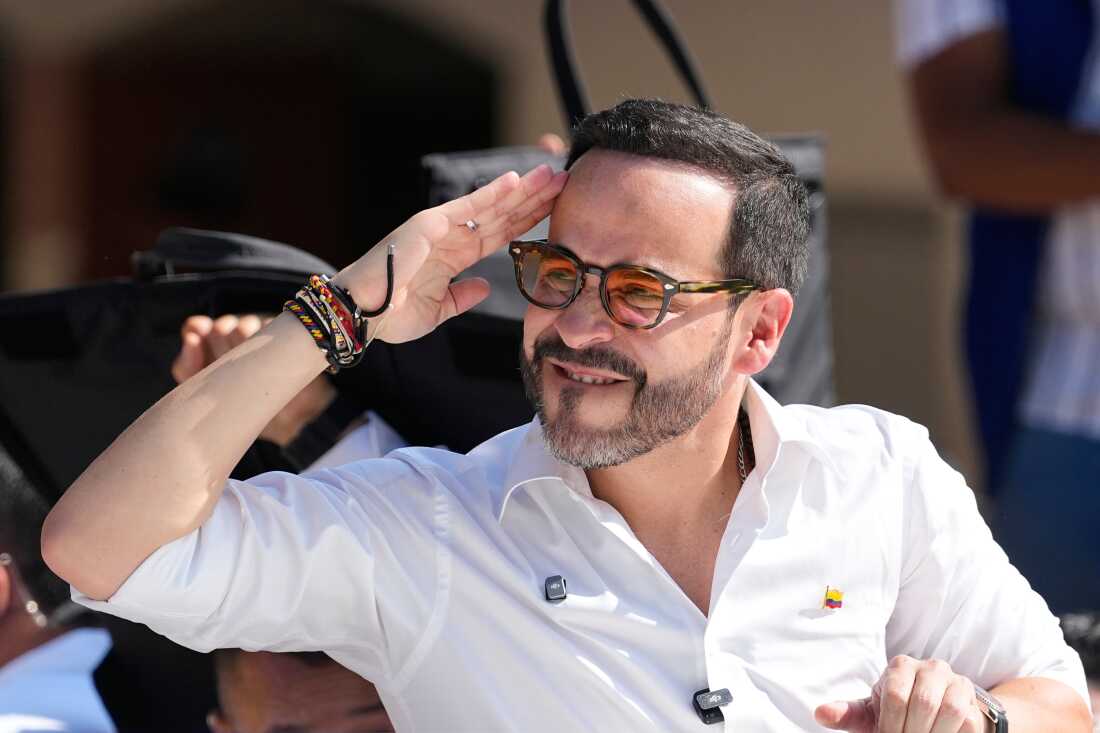
Colombian Election Heads to Runoff
In the first round of Colombia’s presidential race on May 31, 2026, Abelardo de la Espriella of the Defenders of the Motherland movement led with 44% of the vote. Iván Cepeda, an ally of the current President Gustavo Petro, secured 41%. With no candidate receiving an outright majority, a runoff election is set for June.
Controversy arose as Cepeda and Petro questioned the election’s credibility, alleging vote manipulation without providing evidence. Cepeda stated that he awaits verification from electoral authorities before fully recognizing the vote outcome.
Divergent Visions for Colombia’s Future
Cepeda, a progressive senator, aims to continue Petro’s peace initiatives via negotiations with armed groups and criminal gangs. Despite his early lead in opinion polls, de la Espriella’s rising popularity in recent weeks threatens Cepeda’s success due to de la Espriella’s focus on aggressive tactics against armed factions. Known as El Tigre, de la Espriella looks to gain further support from voters initially backing another conservative contender.
De la Espriella emphasizes a security-first approach, aligning with U.S. President Donald Trump’s strategies and advocating for the construction of 10 mega-prisons. Meanwhile, Cepeda’s plans stand in sharp contrast, seeking to solve the region’s violence through dialogue and addressing socio-economic roots of crime.
“Today’s election isn’t just important for us, it’s important for all of Latin America,” stated Juan Acevedo, a 62-year-old sociologist.
The Broader Latin American Context
This election reflects a regional shift towards candidates promising strongman tactics, as disillusionment grows with progressive policies targeting underlying conflict issues. The U.S. under Trump has exerted pressure on Latin nations, including Colombia, to intensify crime measures.
The ongoing election debate in Colombia serves as a potential referendum on Petro’s presidency, following a decade since the 2016 peace agreement with the Revolutionary Armed Forces of Colombia (FARC). Although that deal initially inspired hope, armed groups exploited negotiations to expand territories, provoking violence.
Opinions on the Path Forward
Cepeda’s supporters appreciate the progressive strides under Petro, such as wage increases. However, de la Espriella’s advocates, like Maria Eugenia, argue for strict crackdowns against armed groups. Eugenia criticizes peace agreements as rewarding criminal behavior.
Conversely, Acevedo warns against repeating past military-heavy approaches, advocating for Cepeda’s vision of balancing peace talks with regulation of armed factions. He expresses concern over escalating violence if a hardline policy dominates.
“We’re a country that has lived through 60 years of conflict,” Acevedo remarked. “The danger here is returning to a mindset where bullets and war are seen as the only solutions.”
Leave a Reply