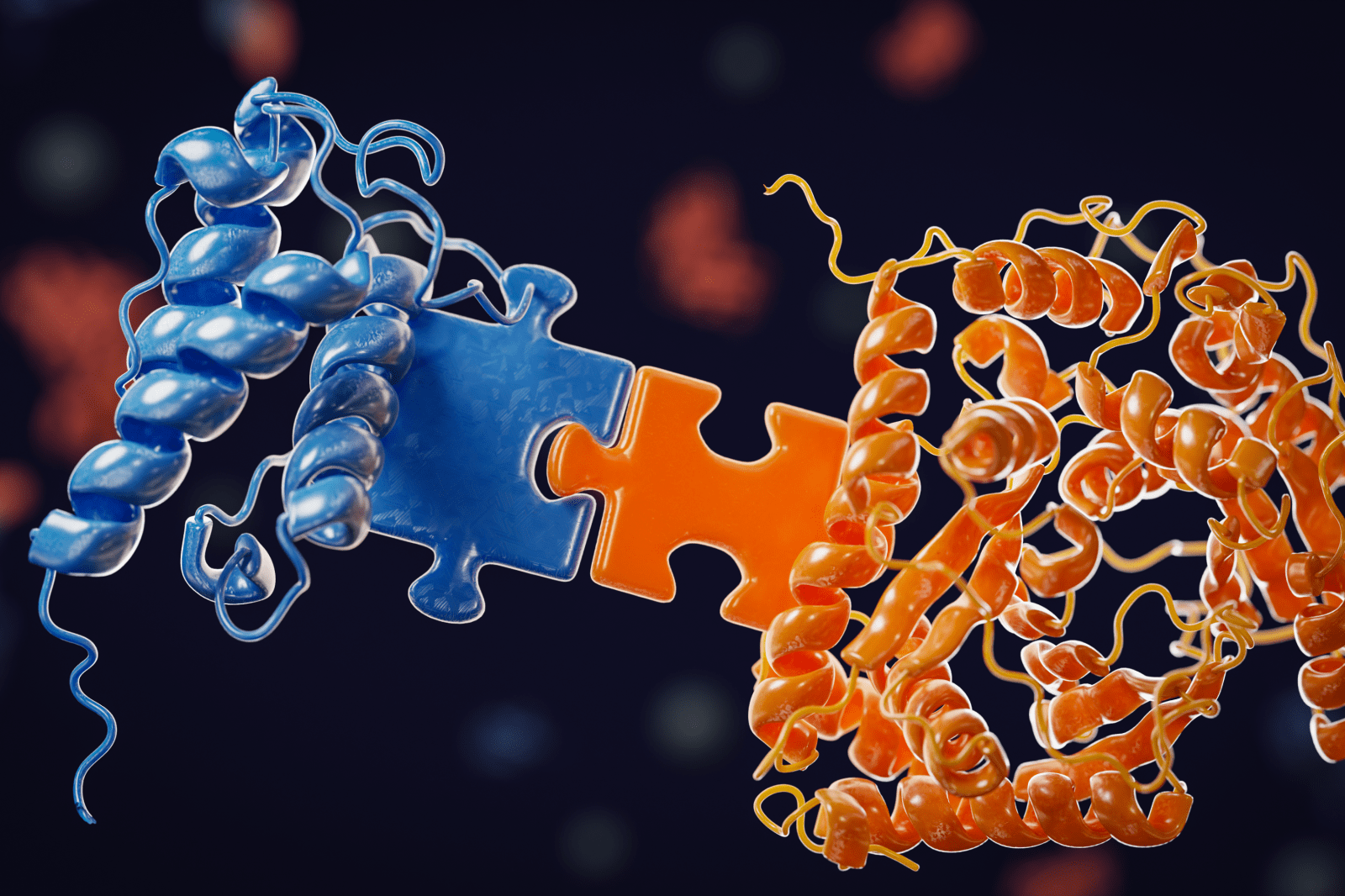
Researchers have uncovered how bacteria construct cancer-fighting compounds, a significant discovery that could speed up the development of new treatments. The study, published in Nature Communications, explains the merging of enzyme systems to create a family of drugs known as HDAC inhibitors, which hinder cancer cell growth.
This breakthrough could greatly accelerate the creation of drug candidate libraries, allowing those with the greatest promise to be produced at scale and at a lower cost,” said Dr. Munro Passmore from the University of Warwick during an interview with Newsweek.
Despite the promising potential, Dr. Passmore advises caution, noting that any new therapies will require time to reach patients. He clarified that even promising candidates must go through preclinical testing, optimization, and clinical evaluation before approval, a process that may take up to a decade and can exceed $1 billion in cost.
The drug family includes romidepsin, a therapy for specific blood cancers. Although scientists knew bacteria naturally produce similar compounds with minor variations, the origin of these differences was unclear until now.
The key discovery revolves around combinatorial biosynthesis, where bacteria generate various molecules by mixing biochemical components. Large enzyme complexes, similar to assembly lines, build many essential medicines. Two major systems in bacteria, polyketide synthases (PKSs) and nonribosomal peptide synthetases (NRPSs), combine chemical building blocks to create complex compounds like antibiotics and anticancer drugs.
The study examined a hybrid system responsible for producing depsipeptide HDAC inhibitors, a class of molecules with a core structure and differing attached peptide segments. These structural variations affect drug interactions with their targets.
Researchers identified that docking interactions between enzyme systems facilitate the production of drug-like compounds. A significant finding was recognizing the role of the β-hairpin docking (βHD) domain in connecting enzyme systems, allowing them to transfer intermediate molecules.
Experiments demonstrated that disrupting these interactions stops the target compound’s production, highlighting its crucial role. The research also showed that enzyme systems from various biosynthetic pathways can connect, presenting potential for crafting new molecules.
Professor Greg Challis from the University of Warwick emphasized the flexibility in this process, noting its potential benefit in treating cancers resistant to existing therapies. He revealed that initial findings suggest the drugs produced through the ‘mix-and-match’ method show promising activity against difficult-to-treat cancers.
Prof. Challis stated, “Leveraging the ‘mix and match’ mechanism in laboratories should enable discovery of potent new drug class members and scalable production, facilitating preclinical and clinical research.”
Leave a Reply