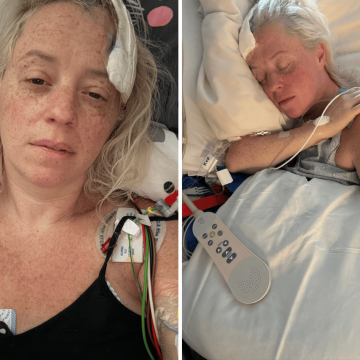
Julie Nashawaty’s day began like any other day. But on her lunch break, she faced a life-changing event. The 46-year-old, a resident of Boston, experienced a severe headache and intense heat. Her condition quickly deteriorated, prompting her husband to call 911. Within 30 minutes, paramedics took her to the emergency room. She spent 25 days...
2026 Nobel Prize in Medicine Awarded for Optogenetics Research
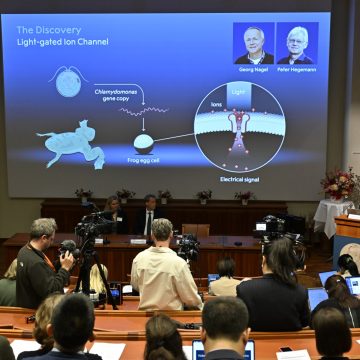
The Nobel Prize in Physiology or Medicine for 2026 has been awarded to Karl Deisseroth, Peter Hegemann, and Georg Nagel. These scientists have made significant advancements in understanding how the brain can activate or deactivate individual nerve cells. The research focused on light-gated ion channels and optogenetics. This method has gained global recognition for its...
Infections Linked to One in Eight Global Cancer Cases
The International Agency for Research on Cancer (IARC) has presented findings that highlight the role of infections in cancer. By 2024, infections are estimated to cause one in eight of cancer cases worldwide. This translates to 2.3 million new cases, with five main infections driving these numbers. The study, published in the journal Lancet Oncology...
Innovative Study Explores Restoring Immune Response in Alzheimer’s Disease
Scientists have identified a method to restore parts of the brain’s immune response and reduce abnormal nerve-cell activity associated with Alzheimer’s disease. The study was conducted by Professor Minah Suh from Sungkyunkwan University’s department of biomedical engineering in partnership with IMNEWRUN biotechnology and Professor Ho-Keun Kwon’s team at Yonsei University College of Medicine. Microglia and...
Rare Genetic Mutation Significantly Elevates Lung Cancer Risk in Non-Smokers
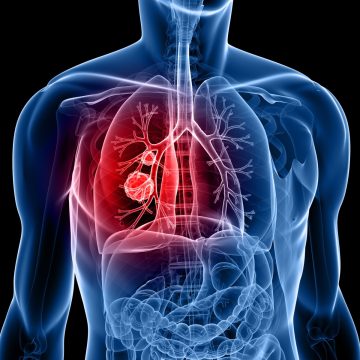
Individuals who have never smoked can still possess a much higher risk of developing lung cancer due to a rare genetic mutation. A new study indicates that carriers of the rare EGFR T790M mutation may face a 62-fold increased risk of developing lung cancer, compared to people who have never smoked. Those with the mutation,...
Potential of mRNA Vaccines in Cancer Treatment
Researchers are exploring the use of messenger RNA (mRNA) in developing personalized vaccines for various cancers, including lung and pancreatic cancers. Trials for these potential treatments are already in progress. An experimental mRNA-based drug, which delivers tailored vaccines for skin cancer, has shown promising results. This success suggests that mRNA technology could lead to effective...
Legal Action Against GLP-1 Medications Over Vision Loss Concerns
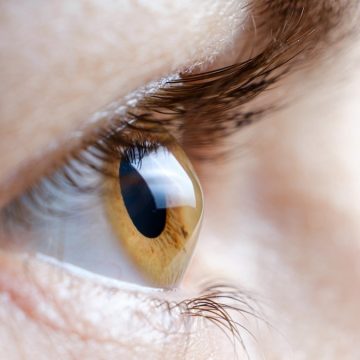
Hundreds of consumers have taken legal action against the manufacturers of GLP-1 receptor agonists, claiming that the medications may increase the risk of a rare form of vision loss known as NAION (nonarteritic anterior ischemic optic neuropathy). This condition occurs when blood flow to the optic nerve decreases suddenly, resulting in sudden vision loss. According...
Diet’s Role in Reducing Alzheimer’s Risk
Understanding the Link Between Diet and Alzheimer’s Risk Experts believe that diet is a pivotal factor in preventing Alzheimer’s, alongside other lifestyle elements like exercise, sleep, and stress management. Research suggests certain dietary patterns could lower the risk of developing Alzheimer’s. Recent Findings on Diet and Alzheimer’s In August, researchers from Bond University, Australia, published...
Understanding Diagnostic Errors and Their Impact
Diagnosis errors are a significant issue in medical care that affect nearly every person at some point in their lifetime. Such errors can include delayed diagnoses, incorrect ones, or sometimes no diagnosis being made at all. A report from the National Academies of Sciences, Engineering and Medicine in 2015 highlighted the prevalence of diagnostic errors....
Investigating Long COVID: Blood Clots and Biomarkers
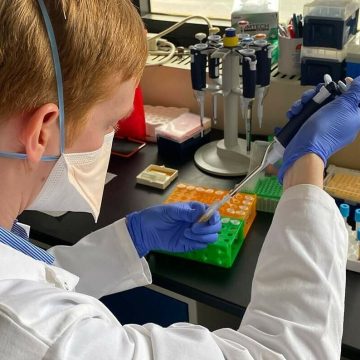
Graduate researcher Bradley Wade Hamilton examines microclots in blood, focusing on their relation to long COVID. Despite the official end of the COVID-19 public health emergency, long COVID still impacts millions worldwide. Estimates suggest that over 65 million people globally have ongoing symptoms post-infection. However, there is no specific biomarker or test to diagnose long...