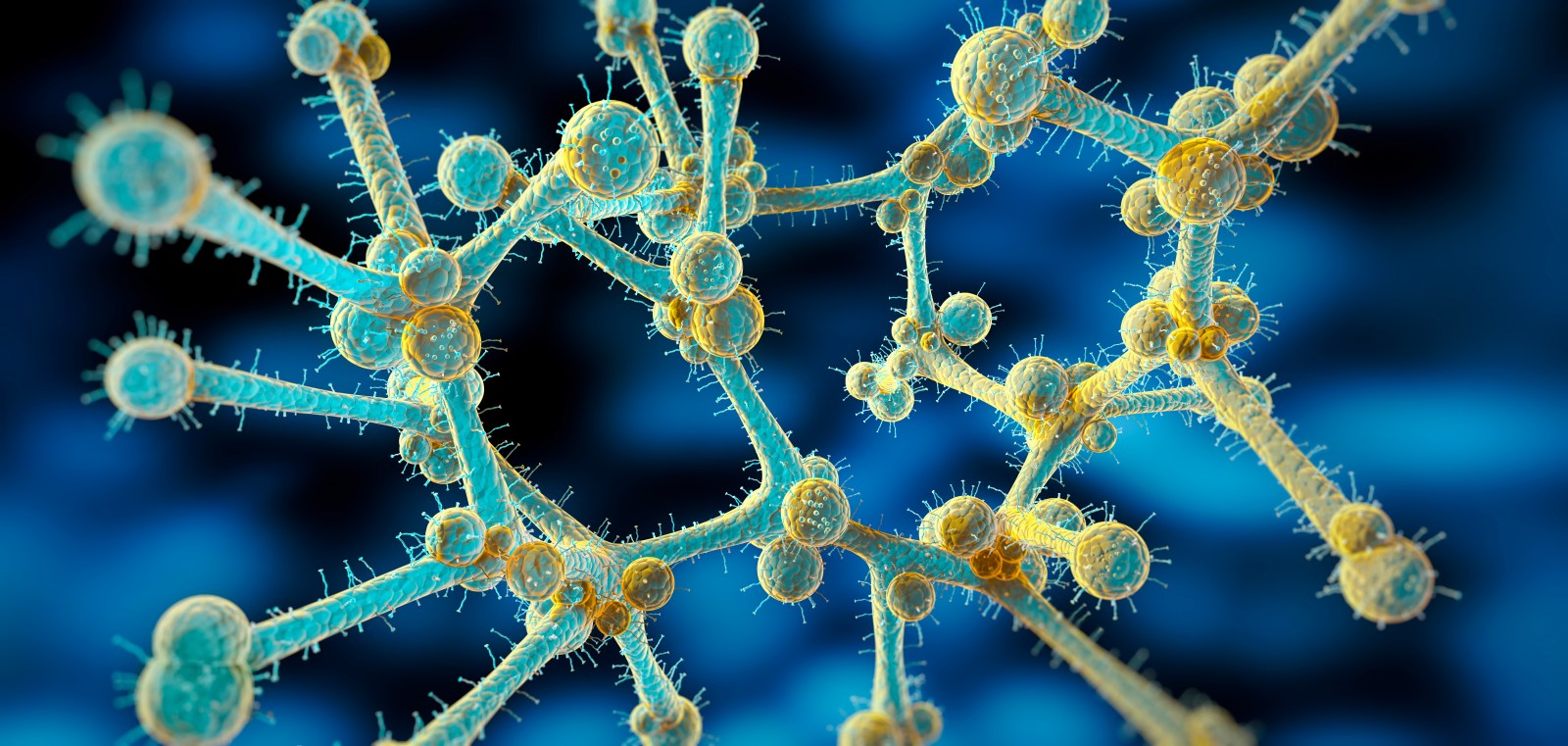
A Growing Concern in U.S. Hospitals
Scientists have identified that the drug-resistant fungus Candida auris poses a significant risk in hospitals across the United States. This fungus, which survives on human skin by manipulating the immune system, claims thousands of lives annually. Dermatologist and Professor Dean Merrill from the University of California, San Francisco (UCSF), leads the research into this issue.
Merrill notes that C. auris adheres to skin more effectively than other fungi, escalating the danger when the immune system becomes compromised. Currently, the fungus is prevalent across over half of the U.S. states, as reported by the Centers for Disease Control and Prevention (CDC). Data indicates that C. auris screenings were conducted in numerous states by late July 2026.
A Persistent and Lethal Presence
Initially identified in Japan in 2009, Candida auris has spread globally, affecting hospitals and long-term care facilities. While it often causes no harm when remaining on the skin, entering the bloodstream can become deadly, particularly for vulnerable patients. Annually, around 3,000 patients die from this infection in the U.S., due to its resistance to common antifungal treatments.
Until recently, the scientific community struggled to understand why C. auris persists on the skin while other fungi are easily eliminated by the immune system. A study conducted by UCSF, published in the journal Science, aimed to unravel this mystery.
Immune System Manipulation
The research involved comparing C. auris to Candida albicans, a conventional fungus usually eliminated quickly by healthy immune systems. Experiments with mice revealed that while C. albicans vanished speedily, C. auris lingered, embedding itself in hair follicles.
The immune responses to the fungi differed significantly. C. albicans triggered a response known as IL-17, prompting the skin to regenerate and bolster its antifungal defenses, thereby almost clearing the infection independently. Conversely, C. auris instigated interferon gamma, typically associated with combating viruses, rendering it ineffective against the fungus.
Reprogramming Skin Defenses
Candida auris alters its cell wall to expose a molecule called chitin, initiating the release of interferon gamma by nearby immune cells around the hair follicles. This reaction suppresses the skin’s antifungal defenses, particularly the IL-17 response, and slows hair follicle cell regeneration, allowing the fungus to thrive in a protected niche.
Professor Suzanne Noble of UCSF remarks on the surprise of C. auris utilizing chitin to establish an optimal environment on human skin.
The study suggests potential strategies to eliminate the fungus from the skin. One approach could involve drugs that redirect the immune response from interferon gamma to IL-17, reinstating the skin’s antifungal capabilities. Another strategy could involve inhibiting chitin, preventing the initiation of interferon gamma.
Further, the research provides insight into how microbes can harmlessly inhabit the human body before becoming pathogenic.
Reference: Merrill, E. D., Noble, S. M., et al. (2026). The fungal pathogen Candida auris exposes chitin to trigger IFNγ and persist in hair follicles. Science. https://dx.doi.org/10.1126/science.adu6688.
For further information, contact Newsweek editors Kara Dolman and Gray R. Thomas.
Leave a Reply