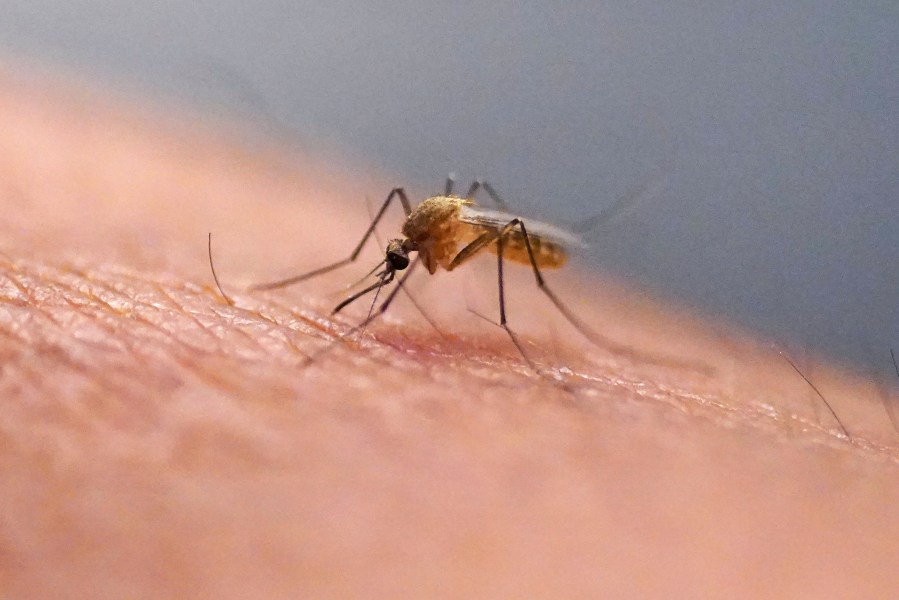
Google is moving beyond technology into environmental solutions with its unconventional approach to mosquito control. The company has requested approval from federal authorities to release 32 million mosquitoes in California and Florida through its ‘Debug’ program.
Traditionally associated with software issues, debugging in this context tackles mosquito-borne diseases. Google’s initiative targets Aedes aegypti, a species spreading diseases like dengue fever, Zika, and chikungunya, affecting millions worldwide.
Google Debug emphasizes that effective vaccines or treatments for many mosquito-borne diseases are lacking. As insecticide resistance rises and traditional methods like removing standing water fall short, a novel solution is required.
Innovative Approach
The program releases male mosquitoes harboring Wolbachia bacteria. These males cannot reproduce with wild females, reducing the mosquito population over time. Male mosquitoes do not bite or transmit diseases, making them harmless.
Google’s method is chemical-free and avoids genetic modification. It draws on past pest control successes, enhanced by data analytics, sensors, and automation to efficiently scale the Sterile Insect Technique. This modernized approach is distinct from earlier eradication efforts.
Collaborative Efforts
The project collaborates with national and local governments, community leaders, and research institutes. Google engages with communities to address local concerns before implementation begins.
The Environmental Protection Agency (EPA) is reviewing Google’s permit applications under relevant federal statutes. The debut phase plans for 16 million mosquitoes in Florida, followed by another 16 million in California.
“This technique uses a naturally occurring bacteria and does not involve chemicals or toxins,” state Google Debug scientists.
The public can learn more and participate in the discussion through the Federal eRulemaking Portal (www.regulations.gov) using docket number EPA-HQ-OPP-2025-3951.
Further details are available on Google’s ‘How We Stop Bad Bugs’ page, outlining the workings of the Debug program.
Leave a Reply