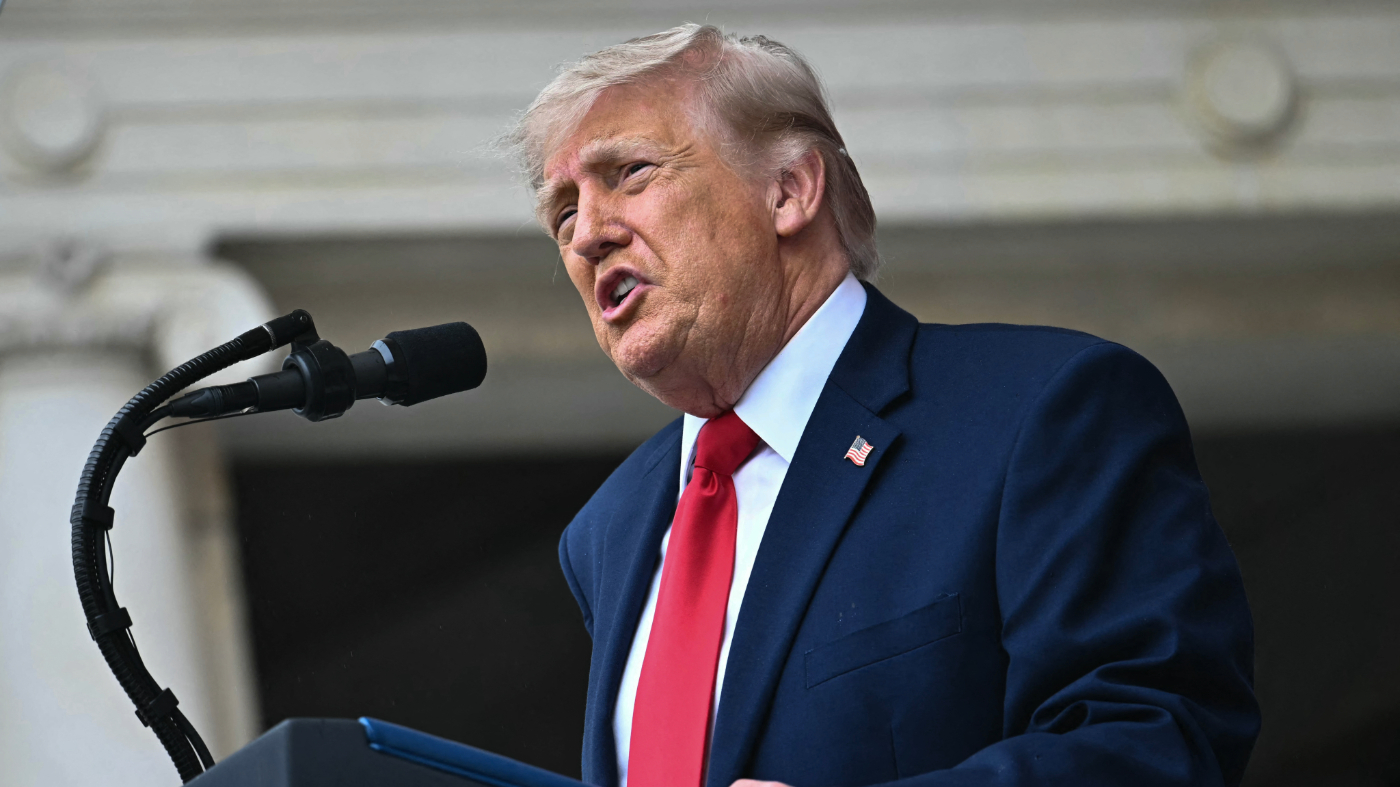
President Trump attended the National Memorial Day Observance at the Memorial Amphitheatre in Arlington National Cemetery on May 25, 2026. His health remains a topic of interest following his physician’s positive report, stating Trump’s cardiac, pulmonary, neurological, and overall physical health is excellent. This announcement, released late at night on a Friday, has not completely dispelled concerns about other health issues, such as bruising on Trump’s hands, drowsiness at events, and leg swelling.
The memo by Dr. Sean P. Barbabella attributes the bruising to frequent handshakes and aspirin therapy. Public health expert Vin Gupta has pointed out the blurred lines between medical documentation and political messaging, especially when terms like ‘AI cardiac age’ are introduced. Critics have long accused Trump of concealing true health details, stressing the political narrative of his robustness.
Barbabella’s use of an ‘AI-enhanced’ electrocardiogram, which suggested Trump’s cardiac age is 14 years younger than his actual age, drew skepticism. Health professionals argue this is not a conventional diagnostic tool. Jonathan Reiner, former Vice President Cheney’s heart specialist, raised questions about the necessity of multiple CT scans for Trump’s coronary arteries and inconsistencies in reported ankle conditions.
Meanwhile, global health issues continue to make headlines. The Coalition for Epidemic Preparedness Innovations (CEPI) plans to invest $50 million in developing Moderna’s vaccine against the Bundibugyo Ebola strain, threatening parts of the Democratic Republic of Congo. Protests erupted in Kenya over establishing an Ebola quarantine center, reflecting regional fears about the virus’s spread.
In other health news, a personalized mRNA vaccine by Moderna and Merck shows promise in reducing melanoma recurrence. A recent study highlights its significant impact five years post-trial, offering hope to Stage 3 melanoma patients in Australia and the U.S.
Looking ahead, significant health policy hearings are set on gender transition procedures, COVID-19 shots, foreign drugs, and healthcare fraud. These discussions underscore the evolving landscape of health policy and the ongoing dialogue about healthcare access, safety, and equity.
Leave a Reply