The closure of the Strait of Hormuz highlights the vulnerabilities in relying on foreign entities for energy needs. The world is unpredictable and instability in distant regions can affect American workers and the economy. This issue has led to President Trump prioritizing the restoration of American energy dominance.
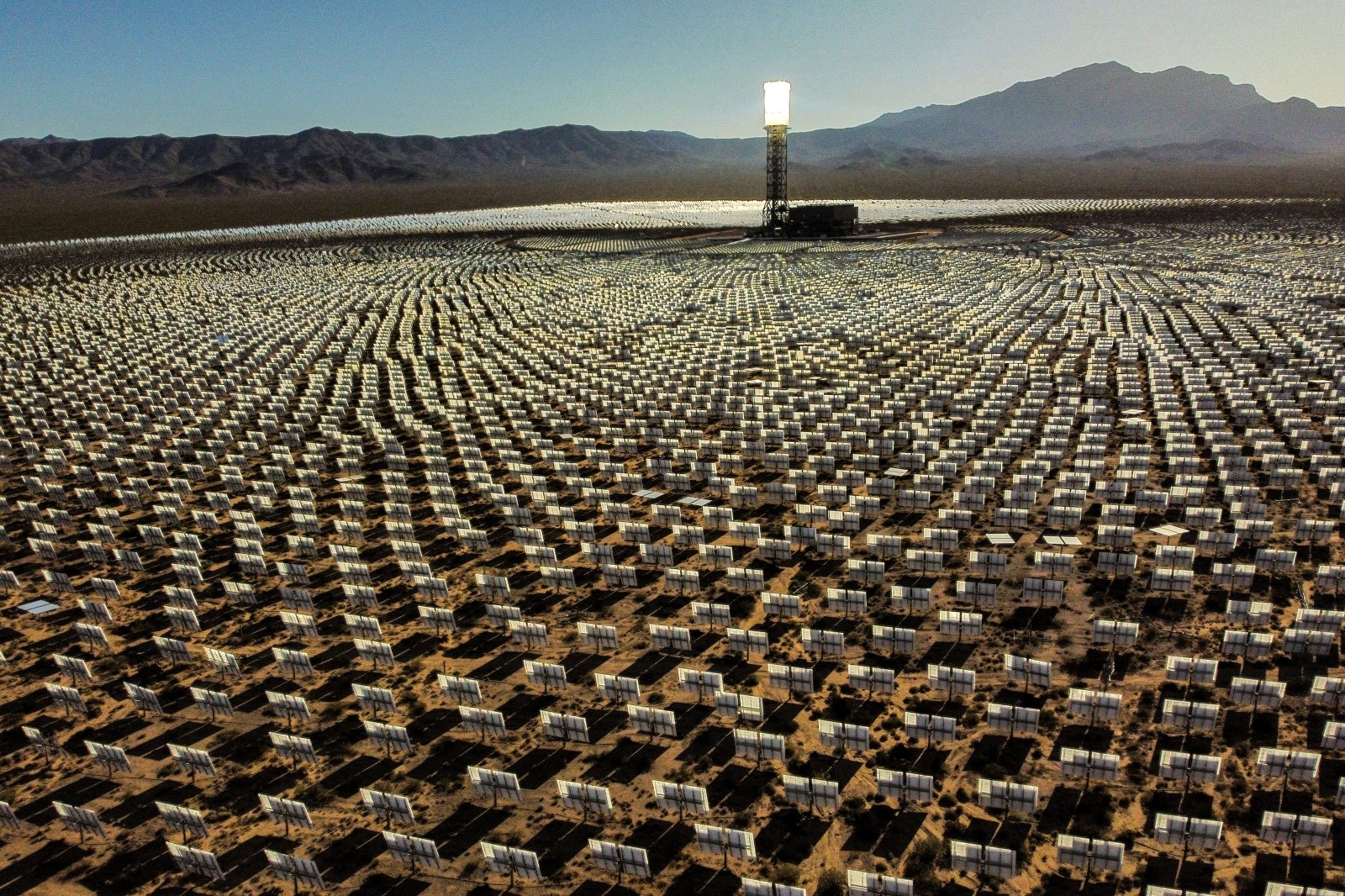
Early recognition of these vulnerabilities prompted policy changes that made the U.S. a net energy exporter during President Trump’s first term. Efforts focus on expanding domestic production and grid resilience further. Abundant energy sources in America include solar power, which offers national security benefits.
Solar energy, as part of a comprehensive approach, competes with China’s attempts to dominate global solar manufacturing and battery supply chains. If the U.S. does not lead in solar energy, dependency on China may replace previous energy dependencies. Energy storage technology enhances solar power as an insurance policy for sunshine, providing electricity even after sunset.
Solar energy combined with storage is not only affordable but a rapid-to-build power source, allowing scalability of energy capacity quickly. Policymakers must ensure that the U.S., not China, controls this strategic advantage amidst national security challenges. China and other adversaries are moving swiftly to gain leverage by producing more energy.
According to Time, countries are now using varied tools to weaponize energy, including control over infrastructure, trade routes, financial systems, and critical supply chains. The U.S. must control its energy supply domestically, across various sources.
To revamp American manufacturing, diversifying supply chains and increasing domestic supply of rare-earth metals are essential. Currently, China controls significant portions of rare earth mining and processing globally, which are crucial for renewable energy. Ensuring the U.S. isn’t reliant on hostile powers for essential materials like lithium strengthens economic resilience.
Modernizing the energy grid to prevent reliance on centralized power sources is vital. A diversified, distributed grid is harder to disrupt. President Trump focuses on strengthening the national power grid and increasing domestic energy production, but tackling bureaucratic hurdles is necessary to develop diverse energy sources.
The U.S. is already a net producer of oil and natural gas, supporting millions of jobs. Domestic energy production is not only about national pride but ensures economic stability and security. The importance of treating it as such is paramount.
Ambassador Robert O’Brien was the 27th United States National Security Advisor and is now part of the President’s Intelligence Advisory Board. The opinions expressed in this article are his own.
Leave a Reply