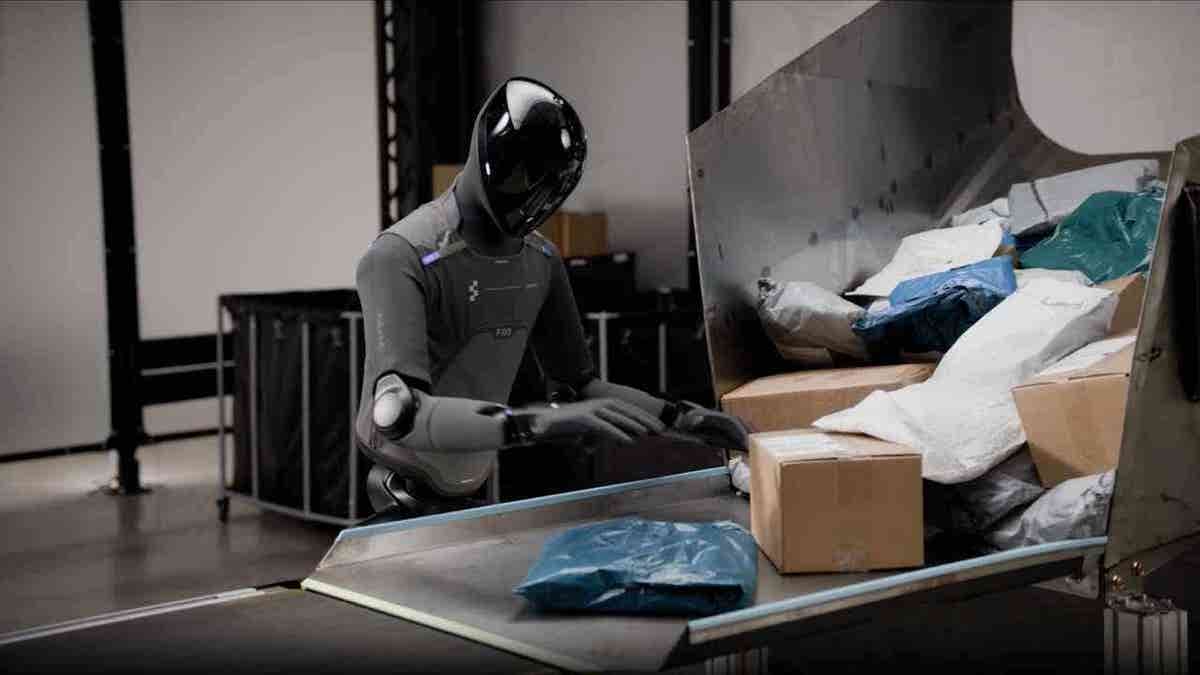
Figure AI has partnered with Catalyst Brands to integrate humanoid robots into warehouse operations. These robots will initially work at Catalyst’s Distribution Logistics Center in Reno, Nevada. Their primary tasks involve sorting and packing, not engaging with customers in retail environments.
The Role of Humanoid Robots
The robots will handle repetitive tasks in the supply chain, starting with the Joey Pouch sorting system at the Reno facility. This approach could reduce the physical strain on human workers. Catalyst Brands updated the site with a $40 million infrastructure investment in 2024.
Investing in automation allows our workforce to focus on more valuable tasks and enhance customer service across our brands,said Marc Rosen, CEO of Catalyst Brands.
Despite concerns, robots are not being introduced to retail floors at this stage. The focus is on improving warehouse efficiency, a step that has drawn significant attention.
Why the Deal Is Notable
Catalyst Brands owns major retail brands, marking this as a significant move towards large-scale robot deployment. Although Figure AI has not specified the number of robots or purchase details, financial ties exist through Brookfield, an investor in both companies. Success in Reno could lead to broader implementation.
Concerns and Missing Information
Details on the number of robots, the exact start date, and how roles may change remain undisclosed. The lack of clear information raises questions about job impacts. Misunderstandings online suggested robots were immediately entering retail spaces, which is not the case for now.
Why Workers Are Concerned
Automation in the workplace can lead to apprehension. While robots relieve workers from physically taxing jobs, concerns persist about potential job displacement. Companies must address these fears by offering retraining opportunities and transparent communication.
The Retailers’ Perspective
Automating warehouse work can alleviate the physical challenges of the job. Figure’s robots promise to fit within existing structures, potentially speeding up product movement and easing the burden on employees, especially during peak seasons.
Future Implications
Whether Catalyst expands robot use beyond Reno will be critical. Observing changes in warehouse procedures and employee roles will offer insights into the real impact of this automation. Clarity from employers about workforce strategies is crucial.
Impacts on Consumers and Workers
For customers, quicker product handling could result in better-stocked shelves and faster online order fulfillment. Workers need more than reassurances of improved roles—companies must provide specific plans for retraining and transitions.
The overarching question is whether the automation will maintain human involvement in retail processes, weighing the benefits of operational efficiency against employment stability.
The introduction of humanoid robots in warehouses challenges traditional work dynamics. Their success in augmenting labor is contingent upon corporate commitment to transparency and support for employees.
Leave a Reply