Speculating about the winner of the 2026 World Cup brings diverse opinions. Some rely on gut feeling, data, or rigorous analysis. Others might trust rumors, possibly from a local pub. But instead of relying on current events, The Athletic shifted the focus to history. By examining past World Cup winners, they have attempted to identify key patterns and compare them to 2026 contenders. Let’s explore their findings.
Factors with Limited Impact
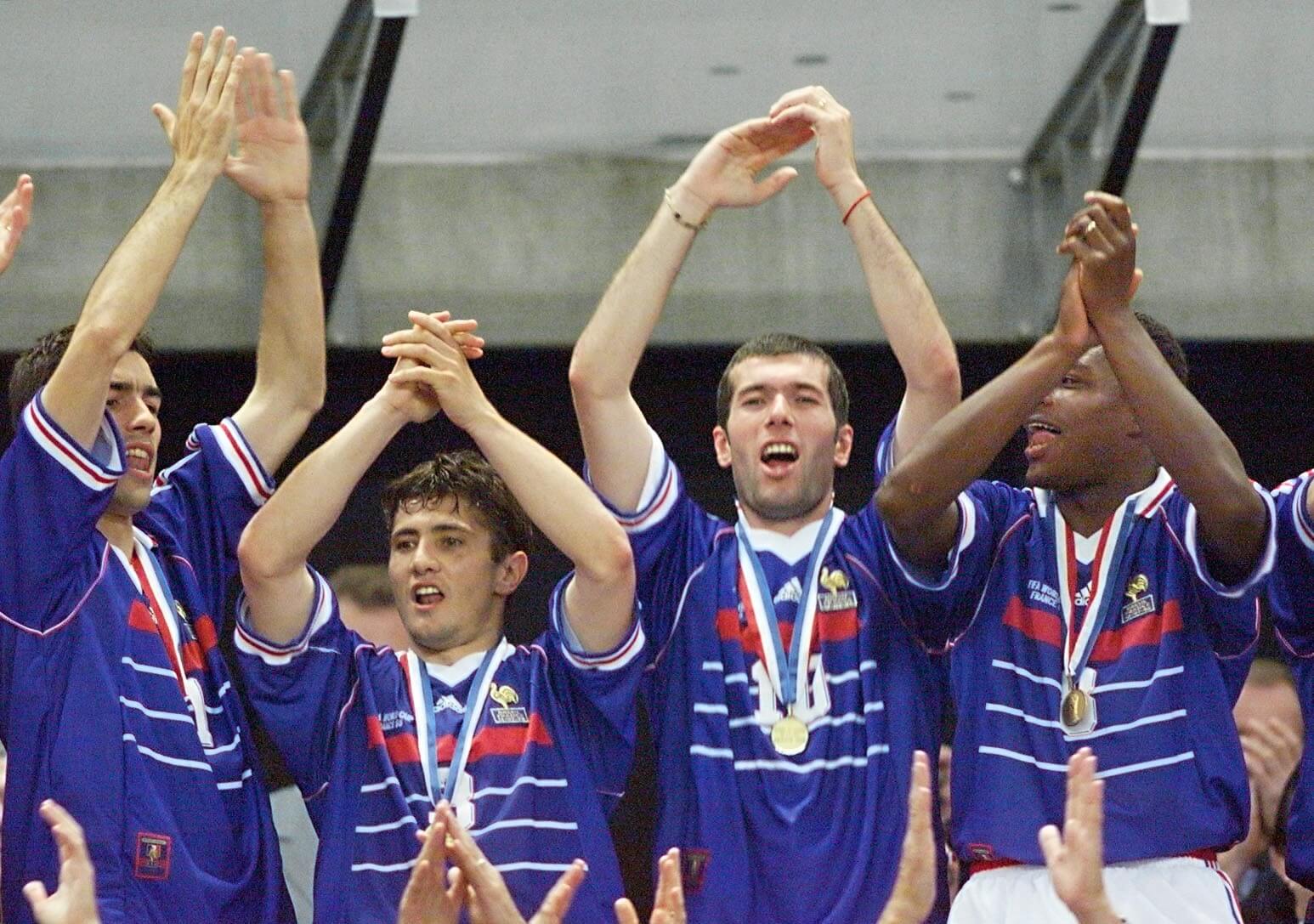
Certain historical factors seem less influential in determining the World Cup winner. Hosting, once a significant factor, has diminished in importance. While the host nation won five of the first 11 tournaments, only France in 1998 did so in the last 11. European teams often struggled outside Europe, but Spain’s win in South Africa in 2010 changed this outlook. A single megastar isn’t crucial; the Ballon d’Or winner has never led a team to victory in the same year.
Additionally, having the most expensive player doesn’t guarantee success. Only Paolo Rossi (Italy, 1982) and Diego Maradona (Argentina, 1986) fit this description. A squad full of players who recently won club trophies isn’t necessary either. Brazil in 1994 was the last with more than one continental champion. Notably, teams like Argentina in 2022, Spain in 2010, and Italy in 2006 had no continental champions.
Considerable Factors
Performances in previous tournaments don’t predict success. Spain exited early in 2006 but triumphed in 2010. Italy and Brazil had similar stories, with setbacks followed by triumphs. The qualification process is a mixed bag. No play-off qualifier has ever won, but teams with shaky campaigns, like Brazil in 2002, have succeeded. Preparation sometimes seems overrated.
Continuing with historical insights, defending champions rarely retain their title. Brazil was last in 1962. Thus, Argentina may face challenges. Being favorites or top-ranked hasn’t ensured victory either. Since FIFA rankings began in 1992, the top-ranked team has never won. France, ranked number one, and Argentina from the previous final face hurdles.
Teams to Watch
Strength and experience remain essential. No shock winners have emerged at the World Cup, unlike continental tournaments with surprises like Greece in Euro 2004. The lowest-ranked champion was France at 18 in 1998. This leaves several strong contenders ranked between 2 and 18: Spain, England, Portugal, Brazil, Morocco, Netherlands, Belgium, Germany, Croatia, Colombia, Senegal, Mexico, the United States, Uruguay, and Japan.
Eliminating the host factor rules out Mexico and the U.S. Similarly, considering historical winners only from Europe and South America eliminates Senegal, Morocco, and Japan. Coaching history shows foreign coaches, favorites, or distractions can hinder success. Coaches with past World Cup titles or exceeding 59 years also face statistical challenges.
The Final Contenders
Spain, Netherlands, Germany, and Croatia are the final contenders. Remarkably, each reached recent finals. A high-performing goalscorer has been common among past winners. While these teams lack current prolific scorers, domestic-based players’ presence remains pivotal.
Effective leadership is critical. Most winning captains boast over 100 caps. Among these contenders, Germany’s Joshua Kimmich has 109 caps, while others like Virgil van Dijk of the Netherlands and Luka Modric of Croatia possess substantial international experience.
Squad composition matters historically, with varying success linked to squad age and experience. Average ages of around 27 have been effective, aligning closely with Germany’s current age of 27.5. This balance of youth and experience may prove beneficial.
Conclusion
While analyzing historical data isn’t absolute, it offers intriguing insights. Based on these factors, Germany emerges as the team most aligned with past champions’ patterns. Although unpredictable, historical trends provide depth to discussions about the 2026 World Cup, offering a point of reference for discussions.
Leave a Reply