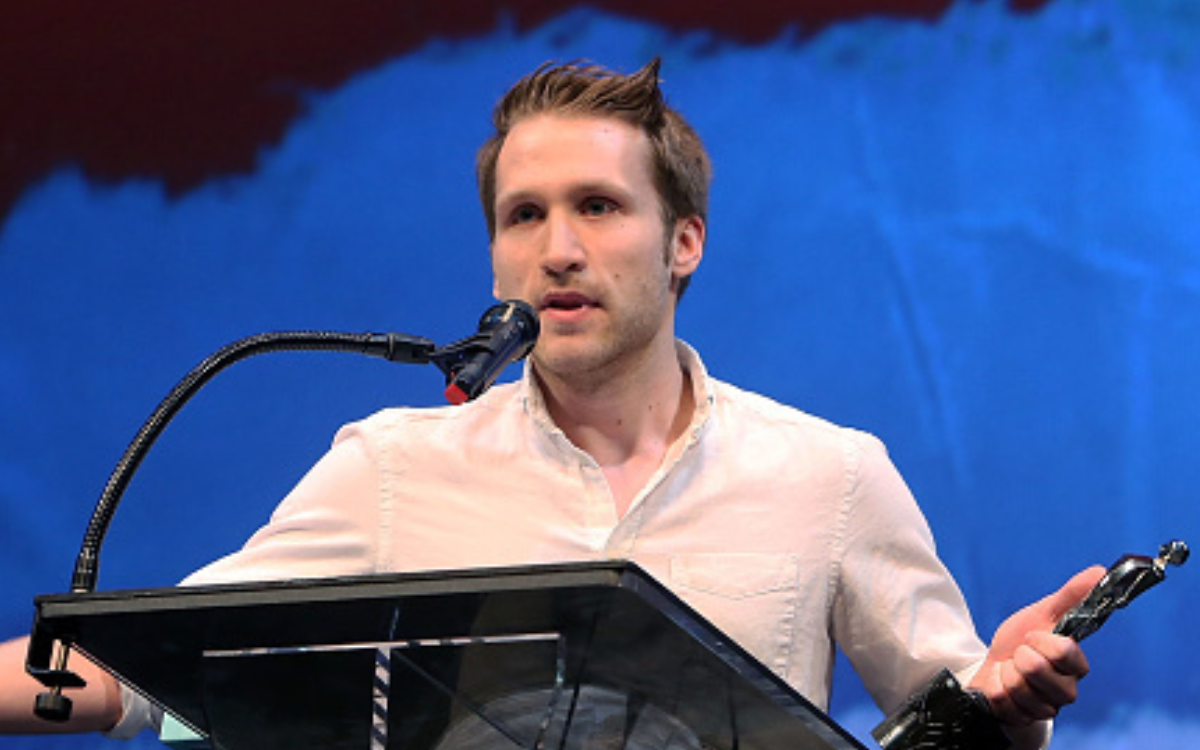
YouTuber Jesse Ridgway, known as @McJuggerNuggets, has ignited discussion on abortion rights and disability. He and his wife, Ashley, decided to terminate a pregnancy after learning of a high chance of their baby having Down syndrome. Jesse shared this on social media, stating the decision was deeply challenging for them both.
Down syndrome, also called Trisomy 21, is a genetic condition with an extra chromosome 21, impacting physical and cognitive development. It occurs in roughly 1 in 700 to 1,000 births worldwide. Many with Down syndrome lead fulfilling lives with appropriate support, but the condition’s severity can vary.
At first, Jesse was hopeful yet unaware of the condition’s implications, learning later about associated health risks like heart defects and reduced life expectancy. He mentioned receiving advice from doctors and genetic counselors who cited high termination rates among pregnancies diagnosed with Trisomy 21. They believed their decision was best for their family and appreciated having the option.
“Down Syndrome isn’t a ‘blessing,'” Jesse commented, reflecting on the health challenges posed by the condition.
Jesse’s announcement received strong reactions. Some criticized the decision as ‘evil,’ while others branded it as ‘horrific.’ Some opponents underscored the value of lives with Down syndrome, citing their personal experiences.
Jesse, surprised by the intense backlash, condemned the vitriol. He highlighted the hate faced and stressed the decision’s difficulty. Jesse also criticized religious condemnation and supported everyone’s right to choose, noting their circumstances.
Pre-Natal Screening in Focus
In the U.S., prenatal screening is common, with 25 to 50 percent of pregnancies undergoing non-invasive prenatal testing. This can detect Down syndrome from as early as nine weeks. Most such pregnancies are terminated; evidence suggests an average termination rate of about 67 percent. However, these tests are not foolproof, sometimes yielding false positives.
Three Perspectives on the Debate
The abortion debate following Down syndrome diagnosis mainly splits into three views:
- Pro-choice: Supports giving decision-making power to the pregnant person due to the situation’s emotional and medical layers.
- Disability rights advocates: Argue that such terminations risk devaluing disabled lives, amplifying concerns about societal stigma and support.
- Pro-life: Opposes such abortions, viewing them as discriminatory and advocating for restrictions.
Legal and Technological Challenges
Since the overturning of Roe v. Wade in 2022, U.S. abortion laws vary by state. Some states maintain broad access, while others implement strict bans, sometimes targeting Down syndrome specifically. This creates uneven access to options, depending on location.
Simultaneously, prenatal testing debates continue. Critics express worry over potential false positives and exaggerated marketing. Supporters emphasize the advantage of informed early decision-making. This points to a scenario where technology advances faster than ethical agreement.
Leave a Reply