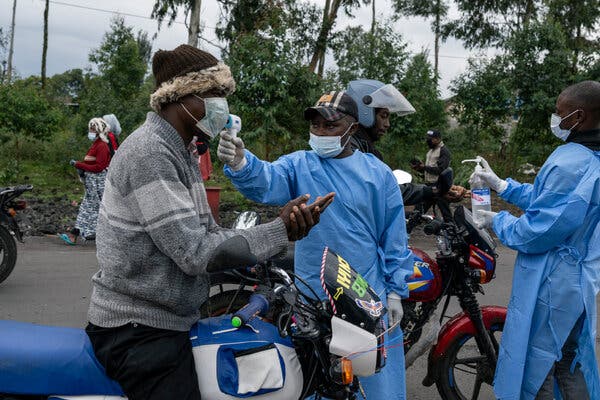
The process of vaccine development and the coordination among health organizations have improved significantly since the devastating outbreak that occurred between 2014 and 2016. This has been observed in the current response to the Ebola outbreak in East Africa. Despite challenges, experts in public health have pointed out that the world is demonstrating a better understanding of the lessons from previous outbreaks and the Covid-19 pandemic.
During recent outbreaks, such as in the Democratic Republic of Congo and Uganda, the Bundibugyo strain of the virus went undetected for several months. In some areas, hastily constructed treatment facilities lack basic medical supplies. Despite these issues, Suerie Moon, a global health researcher, suggests the response has improved compared to the past.
“If the world earned an F on the response to the West Africa outbreak — then we’re at maybe a C+ now,” said Suerie Moon after conducting an international forensic review of responses, which noted the death of over 11,000 people during the West Africa outbreak.
One notable improvement is the increased coordination and collaboration among governments and scientists. There is also greater investment in the infrastructure needed for rapid scientific response. Funding has been secured for research into potential vaccines and treatments for the Bundibugyo strain.
Dr. Daniel Bausch, an expert with experience in addressing over a dozen hemorrhagic fever outbreaks in Africa, highlighted the progress. “The fact that we’re even talking about clinical trials is a world away from where we were in 2014.” He emphasized that it’s not all negative news.
However, areas of concern remain. There is a need for ongoing funding for research into treatments, as well as assurances of universal access for those in need.
Leave a Reply