The New York Knicks are celebrating their return to the NBA Finals for the first time in 27 years. Madison Square Garden is alive with excitement as fans prepare for finals games once again. The past quarter-century was filled with frustration for Knicks supporters, marked by countless losses and unsuccessful management choices. However, those losses are behind them now, as the Knicks have established a new path to success.
Building a Finals Team
After years of poor performance, the Knicks have constructed a unique team that stands apart from most other recent finals contenders. They join the 2020 Los Angeles Lakers as one of the few teams to reach the finals without first-round picks in their starting lineup.
Key Decisions and Turning Points
Several significant decisions have brought the Knicks within reach of their first NBA title since 1973. These include pivotal trades, hires, and key moments that led to their current success.
Trading Patrick Ewing
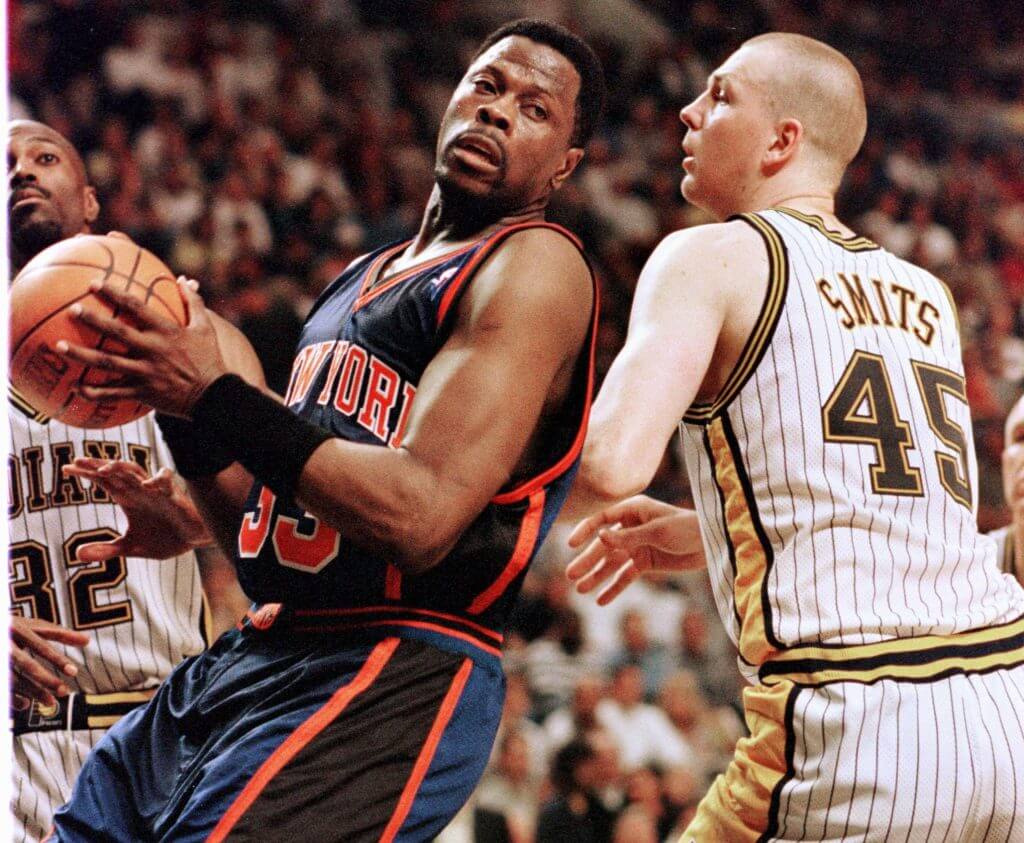
In September 2000, the Knicks traded Patrick Ewing to Seattle, marking the end of an era. Though Ewing was near retirement, he was a franchise legend. The decision came at a high cost, as the Knicks received aging players and lost a first-round pick.
Ewing’s trade signified the conclusion of a competitive yet ringless Knicks era.
Trading for Antonio McDyess
The June 2002 trade for Antonio McDyess was poorly timed. McDyess, recovering from a knee injury, played a minimal role. In exchange, the Knicks parted with valued players and draft prospects, a decision remembered as one of the worst in franchise history.
The Larry Brown Era
In July 2005, Larry Brown became head coach after winning an NBA title with the Detroit Pistons. Brown’s tenure was theatrical and turbulent, lasting one season before his dismissal. His departure led to a series of coaching changes.
The Carmelo Anthony Trade
The 2011 trade for Carmelo Anthony brought star power, yet the high cost arguably hindered long-term success. Although Anthony remains a celebrated figure, his era did not deliver significant achievements.
Jeremy Lin and ‘Linsanity’
Jeremy Lin’s brief tenure with the Knicks in February 2012 was marked by impressive performances and brought joy to fans. Despite Lin’s quick departure, his impact remains significant.
Missed Opportunity with Kyle Lowry
In 2013, a potential trade for Kyle Lowry was narrowly avoided. Lowry later became a top player for the Toronto Raptors, leaving Knicks fans pondering what might have been.
The Zen Master Era
Phil Jackson joined the Knicks in March 2014 as team president. Despite high expectations, his tenure was marked by missed opportunities and controversial decisions, ultimately leading to his dismissal.
The Kristaps Porziņģis Trade
Trading Kristaps Porziņģis to the Dallas Mavericks in 2019 stirred strong emotions. Though initially contentious, it provided valuable assets that contributed to the current team’s rebuilding efforts.
Modern Developments
Hiring Leon Rose
In February 2020, Leon Rose became the Knicks’ president. Rose implemented a strategy-focused approach by assembling a team of experienced executives. This decision marked a shift toward thoughtful management.
Drafting Immanuel Quickley
Acquiring Immanuel Quickley through draft maneuvers proved vital. Quickley became an integral part of the rotation under coach Tom Thibodeau, exemplifying smart drafting decisions.
Trading for Derrick Rose
Early in the 2020-21 season, acquiring Derrick Rose stabilized the team, leading them to the playoffs. This early success laid the foundation for continued growth under Thibodeau’s leadership.
Signing Jalen Brunson
The 2022 signing of Jalen Brunson was pivotal. Although initially controversial, Brunson became a cornerstone for the Knicks and contributed significantly toward a championship-caliber team.
Trading for Josh Hart
In February 2023, acquiring Josh Hart strengthened the team’s resilience and added necessary physicality, enhancing the overall team dynamic.
Trading for OG Anunoby
The exchange for OG Anunoby in December 2023 involved significant player sacrifices but yielded substantial benefits. Anunoby emerged as a vital defender and contributor to the playoffs run.
Trading for Mikal Bridges
The trade for Mikal Bridges surprised many, but he has since played a crucial role in the team’s finals journey, showcasing his defensive acumen and postseason reliability.
Acquiring Karl-Anthony Towns
Despite initial skepticism, trading for Karl-Anthony Towns positively affected the team’s dynamics. His skills as an offensive hub proved instrumental this season.
Thibodeau’s Firing and Brown’s Hiring
The decision to replace Tom Thibodeau with Mike Brown was strategic. Brown’s coaching led to significant progress and expectations, establishing a solid foundation for the Knicks’ finals run.
Leave a Reply