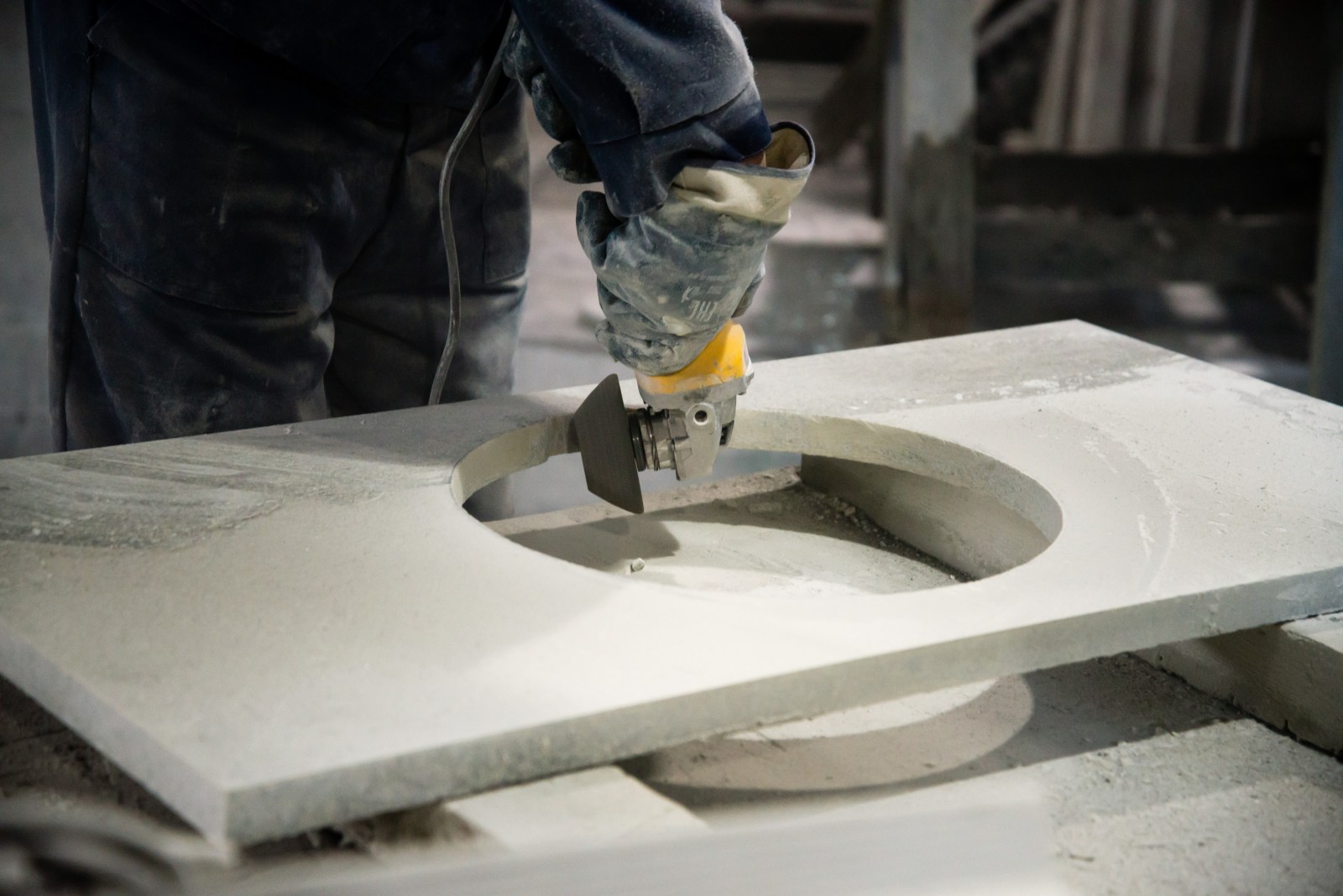
Hundreds of workers engaged in cutting and shaping engineered-stone countertops in California have been diagnosed with silicosis, a severe lung disease attributed to inhaling fine silica dust. Data from the California Department of Public Health (CDPH), covering cases identified between January 2019 and June 2026, reveals 592 confirmed cases among these workers. Tragically, 31 workers have died, and 65 have undergone lung transplants, as stated in the report.
The findings highlight serious concerns for workers involved in manufacturing, cutting, grinding, polishing, and installing engineered-stone countertops, which are often marketed as quartz. Since 2019, California health officials have been monitoring the disease, noting that engineered stone can contain over 90% crystalline silica. Cutting or grinding this material releases respirable silica particles into the air.
Silicosis, as detailed in the report, is a progressive, incurable lung disease caused by inhaling respirable crystalline silica, a particularly fine dust that becomes air-borne during processes like cutting, drilling, grinding, or crushing materials containing silica. These particles can embed deeply within lung tissue, leading to inflammation and scarring. The damage is permanent, and cases can escalate to disability or death. Silica exposure is also linked with other severe ailments such as lung cancer, chronic obstructive pulmonary disease, kidney disease, and various autoimmune diseases.
Engineered stone poses a significant risk due to its high silica content. Workers are vulnerable when cutting, grinding, or polishing slabs, especially as these activities often generate airborne dust. Symptoms include a persistent cough, fatigue, shortness of breath, and chest pain. However, silicosis can develop without evident symptoms, and health officials caution that cases can be overlooked or diagnosed late.
The National Institute for Occupational Safety and Health (NIOSH), part of the CDC, states that while silicosis is not reversible, preventive measures can be taken. David Michaels, co-author of the report and professor at George Washington University’s Milken Institute School of Public Health, remarked that California’s figures might only represent a fraction of the issue, with potentially numerous cases nationwide.
“Given the hundreds of diagnosed cases of silicosis in California, there are likely thousands more across the country. Health care practitioners and public health departments should be vigilant and contribute to curbing this epidemic to save lives,” Michaels stressed.
The disease may take years to manifest post-exposure, though exposure to extremely high silica levels can lead to a rapid and severe condition.
Incidences in Other States:
California’s situation is the largest identified cluster in the U.S., but workers handling engineered stone in various states have also developed silicosis. A 2019 CDC report captured 18 cases, including two fatalities, among stone fabrication workers in California, Colorado, Texas, and Washington. Many worked primarily with engineered stone, and several were under 50 when diagnosed.
NIOSH warns that workers involved in the manufacturing, finishing, and installation of engineered-stone countertops may encounter respirable crystalline silica exposure, especially when cutting, grinding, or polishing the material. The CDPH reports that engineered stone could contain over 90% crystalline silica.
California health officials assert that the state’s figures possibly underestimate the true extent of silicosis cases due to incomplete diagnosis or reporting.
Awareness Among Workers:
The CDPH identifies that affected workers are predominantly young immigrant men, mainly from Mexico and Central America, with cases frequently linked to inadequate dust controls and delayed diagnosis. This year, NIOSH and OSHA revised the hazard alert on respirable crystalline silica dust’s dangers for workers fabricating, finishing, and installing natural and engineered stone countertops.
Workers engaged in cutting, grinding, polishing, or finishing stone countertops should inform their doctors of their occupational history, particularly if they’ve worked with engineered or quartz stone. Workers must pursue medical advice if experiencing symptoms such as persistent coughing or breathing troubles. Importantly, symptom absence doesn’t assure lung-health integrity, prompting consultation with healthcare experts for those with substantial occupational exposure.
Healthcare providers in California are urged to inquire countertop workers about their job history and consider relevant tests even if symptoms aren’t apparent. Workers should discuss with employers about dust-control practices employed. Federal guidance suggests measures like wet cutting, local exhaust ventilation, and enclosures to curb silica air-borne dissemination. Depending on workplace exposure levels, respiratory protection might be mandatory.
The primary risk emerges from inhaling silica dust during work, rather than mere ownership or use of quartz countertops in homes. Current warnings target workers fabricating, finishing, or installing these materials who might face air-borne dust exposure during such activities.
Leave a Reply