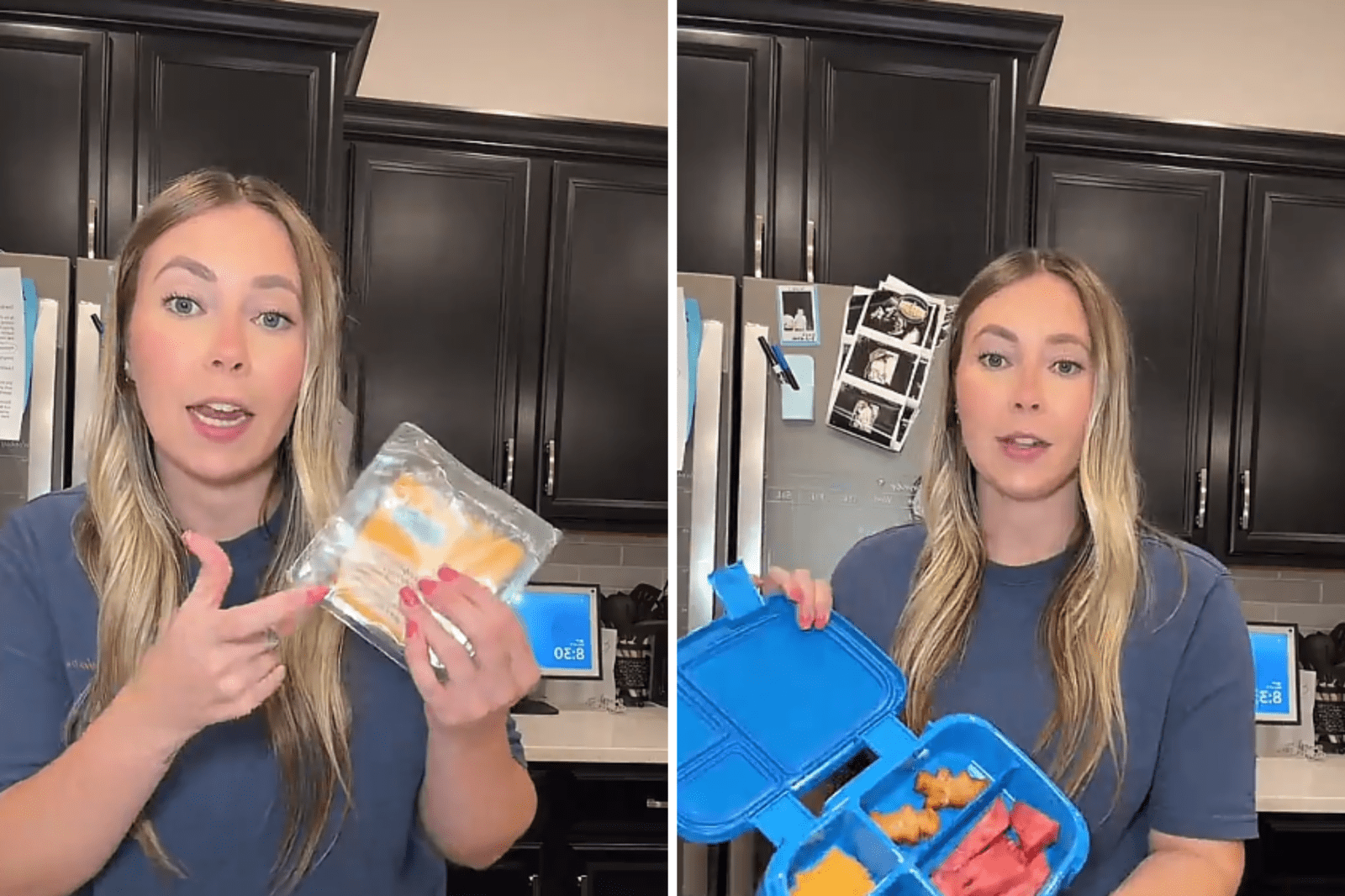
In Arizona, Jordyn Burke, 29, shares the meticulous effort needed to plan each meal for her 2-year-old son, Lane. Lane’s rare genetic disorder, phenylketonuria (PKU), limits him to about 1.5 grams of natural protein per day. This careful planning ensures his safety and development.
PKU affects Lane’s ability to process phenylalanine, a protein building block. Accumulation of phenylalanine can lead to severe neurological and developmental issues. While many can metabolize phenylalanine easily, those with PKU need stringent dietary control. For Lane, this means dramatically limiting protein intake.
Burke describes the challenge: foods like meat, dairy, eggs, and nuts are restricted. Lane’s diet requires precise measurement of foods and specialized medical nutrition to maintain necessary nutrients without excess phenylalanine.
“For us, food isn’t just food,” says Burke. “Each meal serves as medical treatment, safeguarding his brain and promoting normal development. This responsibility as a parent is immense.” The diagnosis reshaped their lives, though initially daunting for Burke.
Daily planning involves reading labels, measuring portions, and tracking Lane’s food intake. Events like birthday parties and school activities require extra preparation. Managing PKU is relentless, regardless of familial demands.
A TikTok video (@pkulife_withlane) shared by Burke outlines Lane’s meals: low-protein blueberry muffins, banana, cucumber, watermelon, and specially chosen potato bites, totaling one gram of protein—a balance allowing for his daily protein limit.
Burke hopes to raise awareness about PKU. “Food can feel isolating for a child with PKU,” she shares. “Childhood revolves around food events like birthday cake and ice cream outings, which are unique experiences for him.” Yet, Burke expresses gratitude for the lessons learned. “My son has shown me resilience,” she reflects. “He’s taught me that different doesn’t equate to less. I’ve learned to appreciate what I once overlooked.”
Leave a Reply