Wearing sunscreen is essential, especially for children. Experts agree that it is crucial for all kids over six months old to use sunscreen, irrespective of skin tone. Dr. Rebecca Carter, a pediatrician at the University of Maryland Children’s Hospital, highlights its importance: “Sunscreen helps prevent sun damage that extends beyond painful sunburns, lowering long-term skin cancer risks.”
Choosing Safe, Kid-Friendly Sunscreen
Pediatricians and dermatologists provide guidance on selecting and applying the right sunscreen for kids. Here are expert-recommended options including water-resistant, powder, and stick sunscreens.
Top Picks for Kids Sunscreens
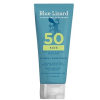
- Best Overall: Blue Lizard’s mineral sunscreens are popular among experts. The brand’s smart cap technology alerts kids to harmful UV rays by turning the cap pink. It is free from parabens and fragrances, making it ideal for sensitive skin.
- Best Without White Cast: A lightweight moisturizing sunscreen lotion praised by experts for its easy application without leaving a white cast. It comes with a convenient pump for travel.
- Best Lotion: Banana Boat sunscreen carries the National Eczema Association’s Seal of Acceptance. It’s suitable for children with eczema and sensitive skin.
- Best Stick: Neutrogena’s Sheer Zinc Sunscreen Stick is noted for being hypoallergenic and free of fragrances and dyes.
- Best Powder: Mineral-based sunscreen powder is easy to reapply and travel-friendly, making sunscreen application less challenging.
- Best for Very Sensitive Skin: Aveeno offers a kids-safe mineral sunscreen that’s gentle on sensitive skin.
- Most Moisturizing: La Roche-Posay blends chemical filters and glycerin to keep the skin moisturized.
- Best for Babies: Aveeno face lotion for babies, trusted by parents and recommended by experts, offers fragrance-free protection.
- Most Soothing: A mineral sunscreen with calendula extract and aloe for sensitive baby skin.
- Best Oil-Free: Cerave’s products are oil-free and suitable for sensitive skin, with hyaluronic acid for hydration.
- Best Water-Resistant: Babyganics mineral-based sunscreen offers SPF 50 protection.
How to Pick Sunscreen for Kids
Experts suggest considering the following factors:
- Formulation: Mineral sunscreens with zinc oxide or titanium dioxide sit on the skin to avoid irritation.
- SPF Protection: A minimum SPF 30 is essential, though SPF 50 or higher is preferred.
- Consistency: Creams and lotions provide better coverage compared to sprays.
SPF Considerations
A minimum of SPF 30 sunscreen is advisable for adequate protection across all ages. Dr. Mancuso from the University of Michigan Health suggests SPF 50 or higher to compensate for thinner coverage application.
Mineral vs. Chemical Sunscreens
Mineral sunscreens, recommended for younger children, sit on the skin and are less irritating. The FDA advises using mineral-only formulas for kids six months to two years old. Chemical sunscreens, which require more study, are best reserved for older children and adults.
Application Tips and Frequency
Creams and lotions provide effective coverage while stick sunscreens offer ease of application, particularly for kids. Avoid spray sunscreens for limited coverage concerns and potential inhalation risks. Dr. Lal suggests the “9 teaspoon rule” during application: 1 teaspoon for the face and neck, torso, and back, 1 for each arm, and 2 for each leg. Sunscreen should be reapplied every two hours and after swimming.
Additional Sun Safety Measures
- Avoid sun during peak hours (10 AM – 2 PM).
- Use protective clothing, hats, and UV-blocking glasses.
- Have shaded areas or kid tents outdoors for protection.
Expert Contributions
Insights were gathered from trusted professionals like Dr. Hadley King, Dr. Rebecca Carter, Dr. Jennifer Mancuso, and Dr. Karan Lal. Expert opinion ensures guidance is informed and reliable for children’s safety.
Leave a Reply