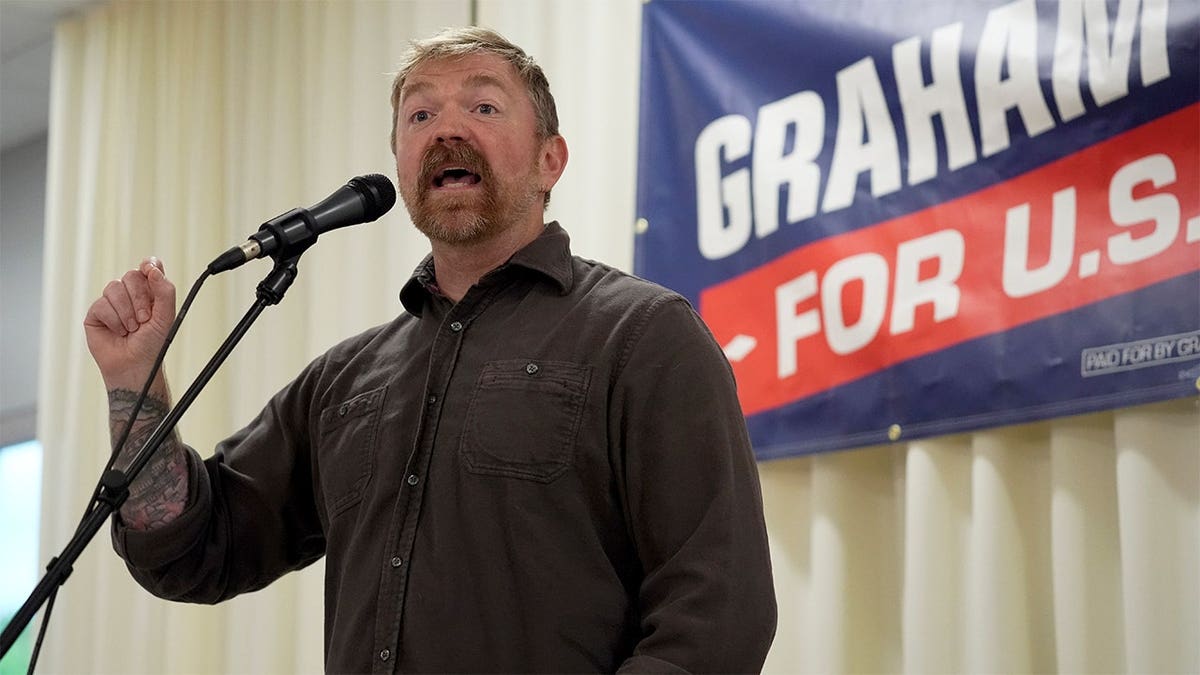
Graham Platner secured the Democratic nomination for the U.S. Senate in Maine, despite facing numerous challenges. Platner, a military veteran and oyster farmer, received endorsements from progressive figures such as Senators Bernie Sanders and Elizabeth Warren. He defeated two opponents in the Democratic primary, as reported by the Associated Press.
Platner, known for his economically populist views, will compete against Republican Senator Susan Collins. Collins faced no opposition in the GOP primary. The race is significant for determining control of the Senate.
Despite controversies, Platner attracted broad support. These include past inflammatory online remarks, a disputed tattoo, and allegations of misconduct. Platner addressed his past, citing personal growth and accountability, especially concerning his battle with PTSD.
“We’re going to win in November and take power back for the people,” Platner stated before the primary.
On the eve of the election, a former campaign staffer criticized Platner in a Washington Post piece. Speculations arose about the potential impact on his campaign, yet he expressed gratitude towards Maine voters for their support.
Platner acknowledges a challenging journey with PTSD from military service in Iraq and Afghanistan. He apologized for past controversial comments that surfaced last fall when his campaign began. He explained changing a tattoo believed to resemble a Nazi symbol after deploying it in 2007 during a tour in Croatia.
Representative Ro Khanna, a supporter, commented on Platner’s past, emphasizing the need for accountability and personal growth. Khanna highlighted Platner’s economic policies, advocating for taxing billionaires and supporting the working class.
Maine voters expressed mixed reactions. While some criticized Platner’s controversies, others acknowledged his candid acknowledgment of personal growth and commitment to his agenda.
Republican Senator Susan Collins, who achieved a milestone of casting her 10,000th consecutive Senate vote, responded to the allegations against Platner, noting they were concerning and required explanations.
Republican groups, including a super PAC supporting Collins and the National Republican Senatorial Committee, targeted Platner. These groups highlighted his controversies in their messaging.
No Democratic supporters have retracted their endorsements for Platner. Despite the controversies, many view his campaign as crucial for winning back Senate control. Platner has amassed substantial support and financial resources, making Maine a key focus for Democrats.
However, defeating Collins poses a challenge. The senator has previously defied expectations, such as her re-election victory six years ago. Collins, a moderate Republican, has taken stands contrary to her party, including voting to convict Trump in his impeachment trial. Yet, her 2018 vote for Justice Brett Kavanaugh remains notable.
Overall, the Senate race in Maine carries substantial weight in the national political landscape, with both parties highly invested in the outcome.
Leave a Reply