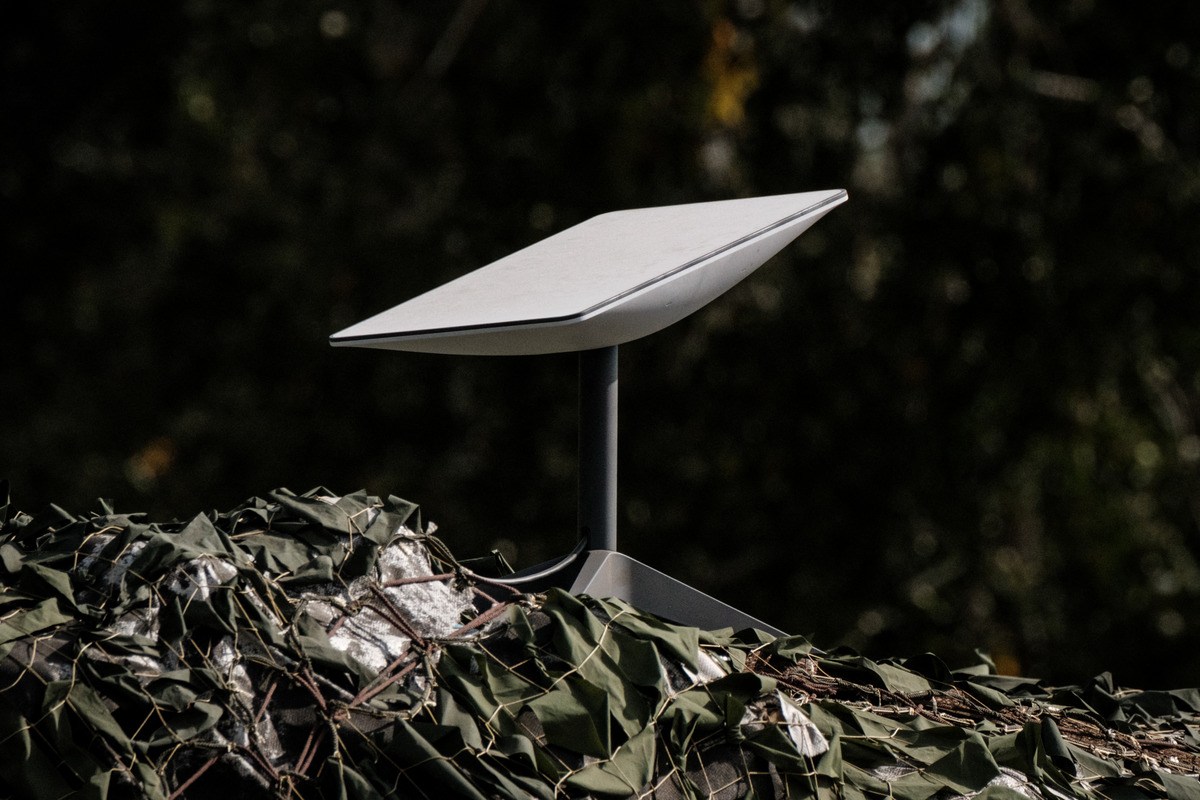
Ukraine reported limitations in accessing Elon Musk’s satellite network, crucial to its military efforts against Russia. The military version, Starlink, produced by Musk’s SpaceX and regulated by the U.S. government, faced restrictions at speeds above 100 miles per hour, impacting Ukrainian drone and defense operations.
This incident raises important questions about who holds authority over restricting Ukraine’s access to the Starshield system and under what circumstances such decisions are made. Ukrainian officials noted unexpected changes to Starshield, leading to concerns about U.S. support amidst Russian assaults.
The limitations are scrutinized as the U.S. pressures Ukraine to cease drone attacks on Russian oil refineries, affecting diesel prices and Russia’s economy. Ukraine’s former defense minister, Mykhailo Fedorov, indicated restoration of access, citing reports from Ukraine’s defense ministry. Elon Musk clarified through social media that the U.S. government controls Starshield, including any usage limits.
The White House has yet to comment, while sources indicate discussions were anticipated between SpaceX and Trump’s administration. President Zelensky expressed that Ukraine’s access was blocked by SpaceX and the United States.
Zelensky highlighted a lack of alerts regarding Russian missile attacks, increasing apprehensions over U.S. intelligence sharing. Despite Trump’s claim of ongoing intelligence collaboration, Ukraine’s past experiences raise doubts.
Senator Jeanne Shaheen criticized restrictions, demanding they cease immediately, with concerns they might facilitate Russian attacks. Advisor Serhii Beskrestnov warned of reduced drone interception capabilities. Russia’s drone attacks, including the Shahed model, resulted in casualties and extensive assaults.
What Is Starshield?
Starshield, a military version of Starlink, supports national security, featuring enhanced encryption to fulfill governmental demands. Musk and SpaceX state Starlink doesn’t back offensive military actions, yet its interplay with Starshield remains uncertain.
The Fuel Angle
Trump’s stance suggests Ukrainian attacks on Russian oil refineries influenced higher diesel costs, disputing those who blame disruptions linked to Iran’s conflict. The Trump administration pressured Ukraine to halt strikes on Russian sites before midterms, despite Ukrainian attacks aiming to cripple Russia’s war funding.
Putin acknowledges financial consequences from Ukraine’s strikes, incurring losses to Russia’s GDP. Moscow reciprocates by targeting Ukrainian infrastructure, impairing economic stability. Despite an energy ceasefire, Ukrainian defense against Russia persists.
Contact: Newsweek editors Tobias Meyjes and Tony Phillips.
Leave a Reply