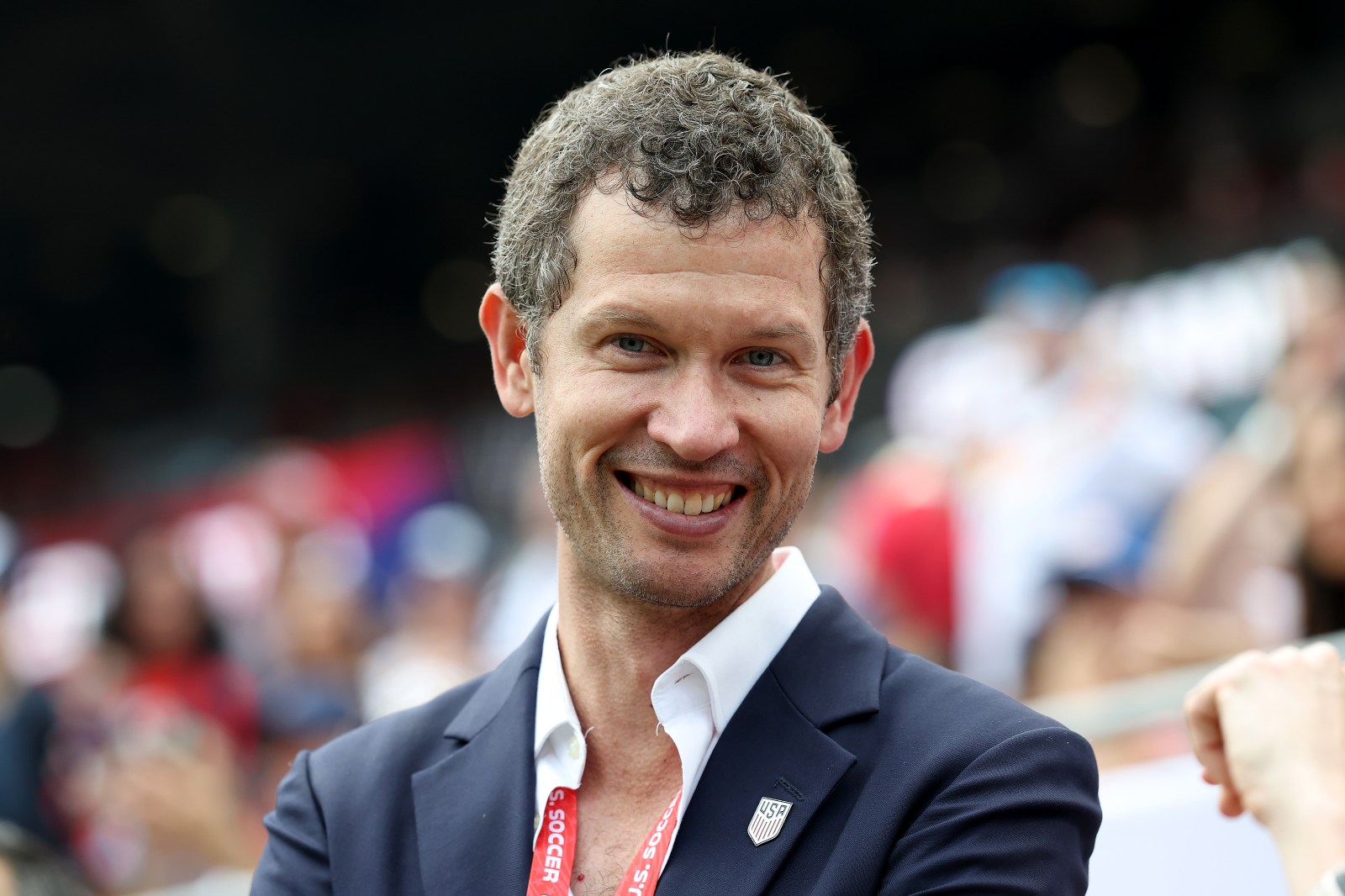
Sports create lasting memories, like the first time you watched a game or when your team triumphed in a crucial match. As the 2026 FIFA World Cup approaches, JT Batson, CEO and Secretary-General of the U.S. Soccer Federation, reflects on his early days playing soccer. He recalls playing at the YMCA in Augusta, Georgia, where the jerseys were uncomfortable and soccer was unfamiliar territory for parents used to baseball and basketball. Fortunately, influencial figures from Augusta College, now Augusta University, who were skilled in soccer, guided him and his peers.
Batson played various sports, but soccer stuck with him. Better coaches and the fun aspect drew him to soccer, and the influence of these coaches continues to impact him today.
World Class Opportunity
With the U.S. serving as a co-host for the 2026 World Cup, there is a strong focus on ensuring success on the field while also expanding soccer’s reach in America. Batson emphasizes making soccer accessible for tens of millions more Americans. Soccer’s appeal lies in its simplicity; you need little equipment to get started. Yet it can be overshadowed by sports dominating public spaces.
Batson highlights the importance of creating opportunities for children to play soccer, whether through initiatives that partner with schools or creating safe places in neighborhoods. The aim is for soccer to be omnipresent, played on various surfaces, including blacktop areas, old tennis courts, and school gyms.
Increased involvement at the grassroots level, including coaching, is essential for the growth of soccer. The U.S. Soccer Federation offers educational resources for aspiring coaches. Batson underscores investing in coaching education as a priority.
Access and Affordability
There are concerns regarding access and affordability for the 2026 World Cup. Not every fan can attend the games physically, and creating alternative experiences is vital. Batson wants to integrate fans into the World Cup experience through community events and digital participation.
The federation is focusing on making the World Cup accessible to the millions of soccer fans nationwide who cannot attend. Efforts include working with local governments and organizing engaging events for community involvement.
Memories of Batson’s first World Cup experience, watching with friends and family, emphasize the importance of making the sport inclusive and building a community around it.
Producing on the Pitch
Results matter, especially when playing the World Cup at home. U.S. Soccer prioritizes team success, aiming for continued winning streaks. This involves strategic investments and ensuring pathways and infrastructure support team success.
Batson’s role in hiring coaches emphasizes the federation’s vision of long-term success and youth development. Mauricio Pochettino and Emma Hayes lead the national teams, bringing experience and a commitment to ensuring lasting success in U.S. soccer.
Defining Success
Successful outcomes for U.S. Soccer include connecting tens of millions of Americans with the sport and instilling pride in the teams’ performances. The anticipated growth in participation, investment in soccer, and ongoing success are key legacy points from hosting the World Cup.
The impact is expected to extend over the next decade, fueling a sustained interest in soccer and inspiring future generations to engage with the sport.
Leave a Reply