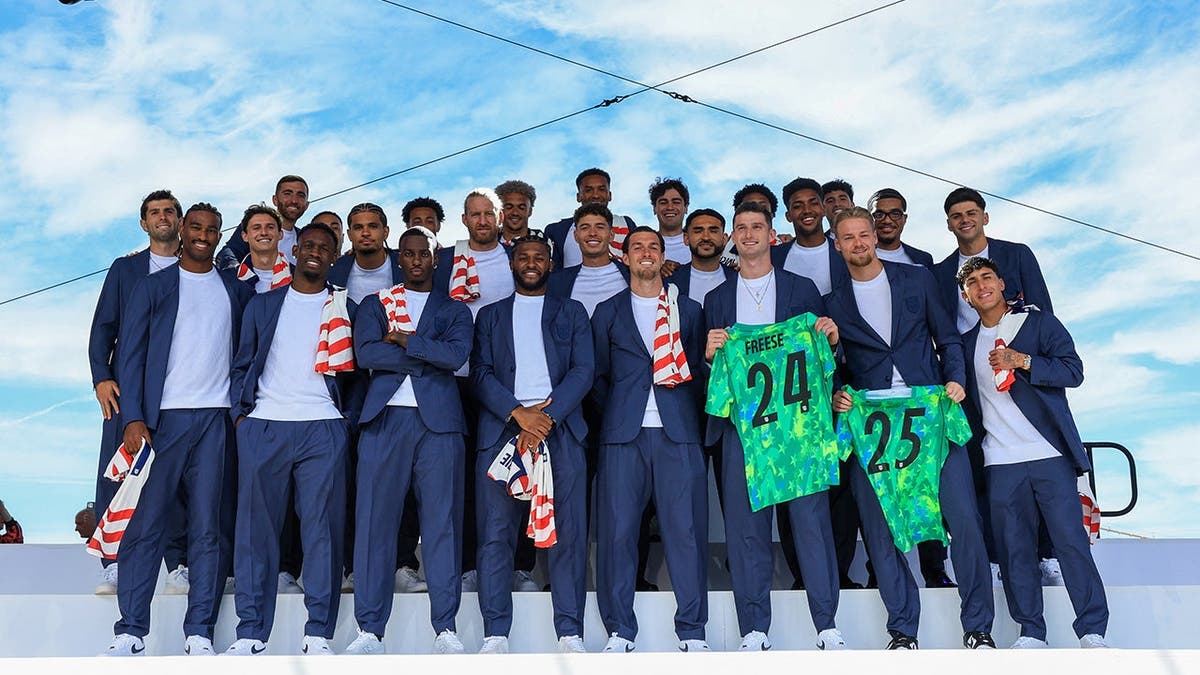
The 2026 FIFA World Cup has commenced, hosted by Canada, the United States, and Mexico. The tournament features 48 teams, and after the first match, where the Mexican National Team triumphed 2-0 over South Africa at Estadio Azteca, 103 matches remain. Throughout the event, games will occur at impressive venues across the region.
Some members of the media have expressed concerns about the U.S.’s role as a host. Nancy Armour, a columnist for USA Today, has voiced strong criticism, describing the nation as ‘hateful and greedy’ despite any possible success of the U.S. Men’s National Team. She argues that the country’s approach reflects a selective welcome to the world.
Armour emphasizes the behavior, referring to the idea of ‘ugly Americans’ being the takeaway from this World Cup. Her criticism focuses on how the U.S. presents itself during this global event, missing an opportunity to convey joy through soccer.
Armour holds former President Donald Trump partly responsible for this image. She highlights the treatment of the Iranian National Team and the barring of Somali referee Omar Artan, suggesting these decisions were unfair. She challenges the contradiction of acting as a host yet excluding certain participants.
Ticket pricing has also been a point of contention. Though the U.S. government does not control prices, the costs set by FIFA can exclude fans unable to afford them. This issue underscores broader complaints about access and inclusivity.
Armour’s critique has broader implications, questioning how political leadership affects hosting duties. Her stance suggests an emotional and political perspective rather than solely a factual analysis.
Notably, previous World Cup host Qatar faced criticism for its treatment of workers during stadium construction. Armour’s comparison of the U.S. to Qatar raises questions about the fairness and accuracy of such parallels.
Despite criticisms, supporters argue the U.S. will serve as a strong host, though acknowledgment of this requires recognizing contributions beyond political disagreements.
Leave a Reply