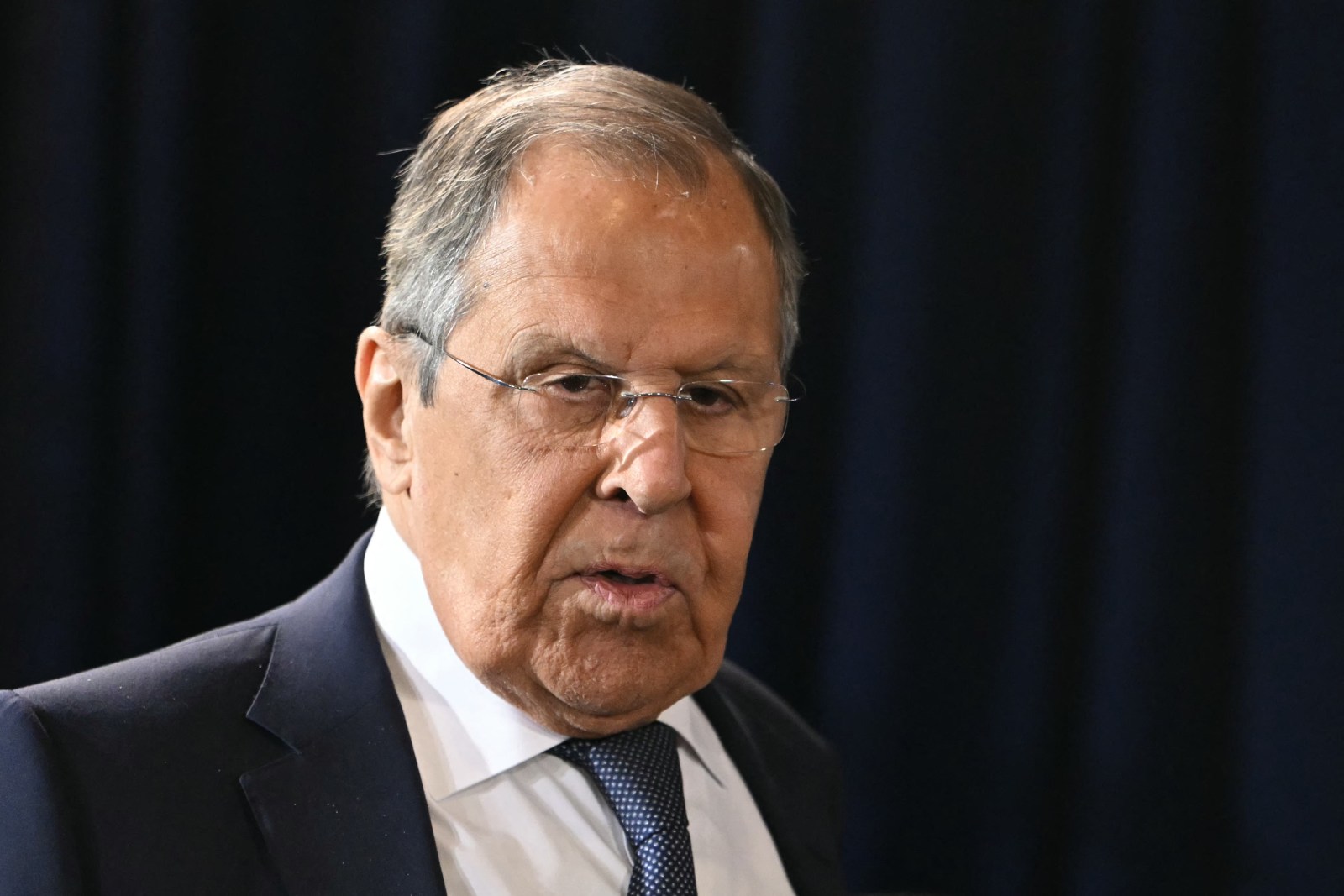
Russia has expressed a cautiously optimistic stance following President Donald Trump’s announcement of a U.S.-Iran agreement aimed at ending prolonged conflict. Foreign Minister Sergey Lavrov conveyed hope for the imminent formalization of the deal, while acknowledging uncertainties that threaten its success.
The stated goal of the agreement is to cease hostilities and reopen the crucial Strait of Hormuz, which has faced disruptions due to the conflict. Plans for an official signing in Switzerland are underway, although significant details remain unresolved.
Russia Signals Cautious Support
Lavrov emphasized Moscow’s desire for the U.S. and Iran to formalize the framework agreement with a signed document, stressing the need for political announcements to result in real action.
“We hope that everything announced today…will be signed this week,” Lavrov remarked, referring to statements from the involved parties, including Pakistan as a mediator.
The Foreign Minister maintained a neutral tone, acknowledging progress toward ending the conflict but avoiding endorsement of specific deal terms. He highlighted the importance of sustained political will, cautioning that resolving conflicts swiftly is uncommon.
Moscow’s response aligns with its broader messaging of supporting diplomatic measures with cautious skepticism.
High-Level Dialogue Between Trump and Putin
Discussions on the deal have been a part of high-level diplomacy, evidenced by a recent phone call between Trump and Russian President Vladimir Putin. Described as “friendly” and “frank” by the Kremlin, their discussion included the U.S.-Iran memorandum and other international issues.
The conversation underscores Russia’s interest in influencing or overseeing Middle Eastern negotiations, carrying implications for U.S.-Russia relations.
Israel’s Position Creates Uncertainty
Despite the agreement with Iran, uncertainties linger, fueled by Israel’s position and the role of Hezbollah, an Iran-supported militant group in Lebanon involved in conflict with Israeli forces.
Israel is not bound by the deal and remains firm on retaining territories in southern Lebanon, where its military actions against Hezbollah continue. This stance raises doubts about fully halting the conflict.
Recent Israeli attacks on Hezbollah near Beirut nearly disrupted the agreement, with figures like Finance Minister Bezalel Smotrich criticizing the deal as “bad for Israel” and “the entire free world.”
Ongoing Israeli operations against Hezbollah could extend regional instability, limiting the agreement’s effectiveness.
Unresolved Issues Remain
The agreement, set for signing this Friday, offers a framework for ending the conflict but defers critical issues such as Iran’s nuclear agenda and sanctions relief to a 60-day negotiation period.
This framework offers a path to a comprehensive agreement, but the potential for renewed tensions exists if future talks fail.
“What has been agreed upon is an important step toward stopping the war and beginning negotiations, and a final agreement has yet to take shape,” stated Iranian President Masoud Pezeshkian on X.
Russia’s Response Influenced by Iran Ties
Russia’s measured response is shaped by its enduring relations with Iran and its consistent approach throughout the conflict. Moscow has aligned itself as a diplomatic solutions advocate, stressing negotiation over military escalation.
Russia aims to maintain its regional diplomatic influence, occasionally acting as an intermediary in talks involving Iran and Western nations. Lavrov’s statements encourage progress while calling for careful implementation without committing to the deal’s specifics.
The Fragility of Peace
As the signing approaches, Russia’s reaction highlights the reality that while the deal marks progress toward ending hostilities, achieving lasting peace remains uncertain.
According to Russia’s foreign intelligence chief, Sergei Naryshkin, significant strides have been made by Washington and Tehran toward a resolution, coupled with a note of caution.
“In short, peace is still fragile,” he mentioned to Russian state news agency Tass. “However, the extensive work carried out by both sides, together with the mediators, to draft such a preliminary memorandum provides grounds, if it is ultimately signed, for efforts to restore peace in the Middle East to continue.”
Leave a Reply