You can explore Fox News articles with audio features. A notable historical account involves nine Norwegian commandos who, in 1943, skied through treacherous, mountainous terrain to reach the Vemork hydroelectric power plant in Rjukan, Norway. This impressive structure sat high above a formidable waterfall. At that time, Vemork housed the only facility worldwide mass-producing ‘heavy water,’ essential to the Nazis’ plans for developing atomic weapons during World War II.
After Norway’s invasion and occupation in April 1940, Nazi military and scientific teams quickly recognized Vemork’s strategic importance. Notable physicist Werner Heisenberg, a leading figure in the Nazi nuclear program, promised Nazi leadership a bomb capable of devastating cities. Heavy water from Vemork was crucial for this endeavor, prompting the Nazis to reinforce the plant’s defenses as they perceived increasing Allied interest in its destruction.
The competition between the Nazis and the Allies for nuclear supremacy and the related Vemork narrative are explored in Neal Bascomb’s bestseller, “The Winter Fortress: The Epic Mission to Sabotage Hitler’s Atomic Bomb.” Although director and producer Michael Bay acquired rights to adapt the book into a film, it remains unproduced. Such a film could enlighten audiences on the significance of thwarting nuclear ambitions, akin to President Donald Trump’s efforts to prevent Iran from acquiring nuclear weapons.
Trump’s actions follow the strategic mindset of leaders like British Prime Minister Winston Churchill and U.S. President Franklin Roosevelt, who prioritized the Manhattan Project and sought to halt Hitler’s nuclear ambitions. These historical leaders, along with Trump and Israeli Prime Minister Benjamin Netanyahu, understood the gravity of allowing fanatic-driven regimes access to nuclear weapons.
The ideological backdrop in Iran stems from “Twelver” beliefs established by Ayatollah Khomeini during the 1979 Iranian Revolution. These beliefs focus on ushering in the return of the ‘Twelfth Imam’ and are often dismissed by Western secularists as fantasy. Despite skepticism, such ideology motivates Iranian leadership, as showcased in discussions by figures like Mark Levin, informed by scholars like Bernard Lewis and Khomeini himself.
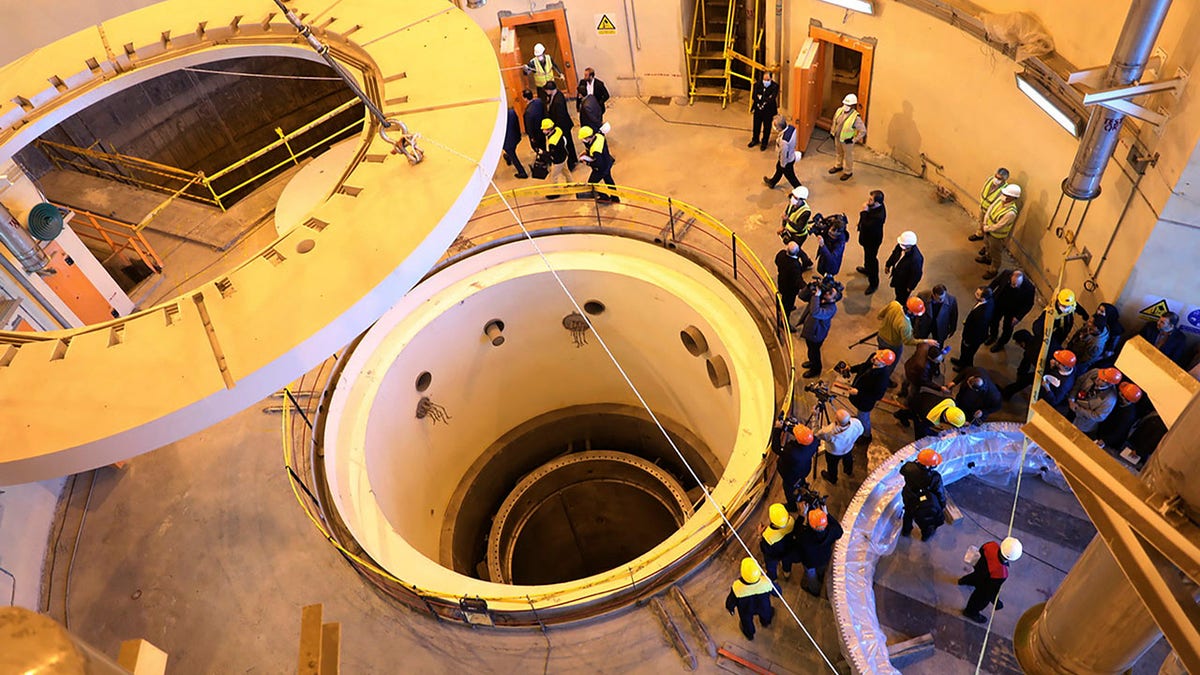
Trump and Netanyahu’s concerted efforts to dismantle Iran’s nuclear infrastructure have not targeted new builds like the facility at Pickaxe Mountain. Yet, fanatic-driven perseverance suggests future attempts to acquire or develop nuclear arms are inevitable. Trump’s resolve resembles that of Churchill and Roosevelt, who understood that leaders like Hitler—and now Iran’s regime—are undeterred by conventional means.
Iran’s ruling theocratic class, described as Islamist fascists led by figures like Ayatollahs Khomeini and Khamenei, demonstrate no restraint against violence or ambition. Despite potential changes in leadership, such as Khamenei’s successor—possibly his son or a figure like Ahmad Vahidi—Iran’s regime remains rigid in its nuclear pursuits, with goals centered on threatening Israel and the United States.
Understanding this dynamic further requires familiarity with historical successes like those at Vemork, where Allied efforts, though delayed, contributed to eventual victories against the Nazis’ nuclear ambitions. The Allies’ success at Vemork allowed time for greater advances in the European Theater. Similar decisive actions remain critical as the world contends with Iran’s ongoing nuclear endeavors.
While President Trump’s actions have significantly impacted Iran’s nuclear program, whether they are sufficient to alter the regime’s grip on power or curb its ambitions remains uncertain. The knowledge and ideological resolve driving Iran’s leaders ensure the threat persists, mandating continued vigilance and strategic innovation to counter such dangers.
Leave a Reply