Iran’s Foreign Minister, Abbas Araghchi, announced that a proposed deal to end hostilities with the United States hinges on Israel’s withdrawal from Lebanon. This stipulation, already rejected by Israel, poses a threat to reaching a lasting peace. Although the deal between the U.S. and Iran remains undisclosed, differing interpretations by involved parties have emerged.
While Israel isn’t a signatory, it joined U.S. forces in launching strikes on Iran on February 28. Subsequently, Israel engaged Iran-backed Hezbollah in Lebanon, occupying large parts of the region. Araghchi stated that without Israel’s withdrawal from southern Lebanon, the war couldn’t be deemed concluded.
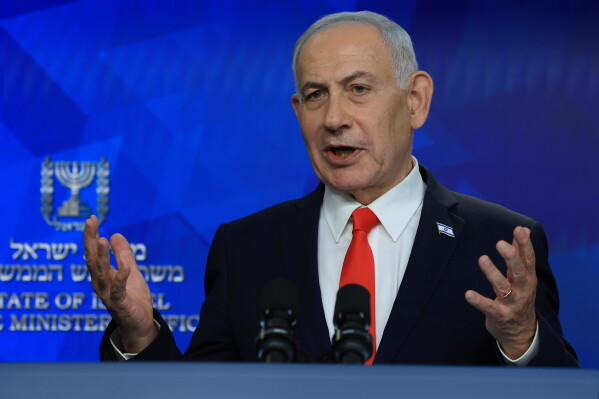
A U.S. official, speaking anonymously, indicated the deal doesn’t address Israeli withdrawal. Israeli Prime Minister Benjamin Netanyahu affirmed Israel’s intent to stay in Lebanon as needed. These ongoing disagreements have perpetuated an unstable ceasefire, keeping the crucial Strait of Hormuz closed.
The continued occupation by Israeli forces in areas captured during the conflict ensures that the war remains unresolved,” Araghchi asserted.
Switzerland’s foreign ministry announced that the agreement signing would occur on Friday at Bürgenstock resort, near Luzern. This venue was proposed by mediators from Pakistan, Qatar, and the U.S., with the Iranian involvement. Pakistan emphasized the cessation of military activities, aligning with long-standing Iranian demands, though Israel’s role introduces complexity.
Israel’s military strategy targets weakening Hezbollah, yet balancing this with U.S. commitments proves challenging. Despite reducing Hezbollah’s strength, its capacity to harm Israel persists, questioning Israel’s military efforts’ effectiveness.
U.S. President Donald Trump expressed discontent with Israel’s actions in Lebanon. Israeli operations there have resulted in nearly 4,000 deaths, including civilians, and displaced over a million. Trump suggested the emerging deal should be reviewed by Congress, expressing his openness to such a process.
Meanwhile, Israel and Lebanon, through U.S.-mediated talks, pursued a separate agreement that Hezbollah hasn’t joined. Although early resistance occurred, Lebanon has accepted the ceasefire’s inclusion in the broader U.S.-Iran deal. Araghchi’s remarks align with some regional officials’ understanding that the agreement requires Israel’s withdrawal from nearly all occupied territories in Lebanon.
The agreement, aimed at halting a deadly Middle Eastern conflict, includes plans for reopening the Strait of Hormuz and removing the American blockade on Iranian ports. Pakistani officials confirmed simultaneous lifting of Iran’s closure of the strait and the U.S. naval blockade.
Negotiations spanning 60 days will focus on Iran’s nuclear program and possible upliftment of sanctions. The deal outlines provisions for unlocking Iran’s frozen funds, with a condition of compliance, and an international fund to aid Iran’s reconstruction if certain benchmarks are met. President Trump clarified that the U.S. won’t invest directly in Iran.
Iran’s nuclear ambitions, particularly its enriched uranium, would be discussed within the 60-day period. Iran tentatively agreed to consider modifications or removal, but skepticism remains, especially from Iranian hard-liners.
The global community, meeting during the G7 summit, backs the agreement despite unresolved issues. Some nations felt marginalized by the U.S.’s initial military actions but now urge for the accord’s expedited implementation.
French President Emmanuel Macron confirmed readiness from France and its allies to facilitate a peaceful reopening of the Strait of Hormuz.
Leave a Reply