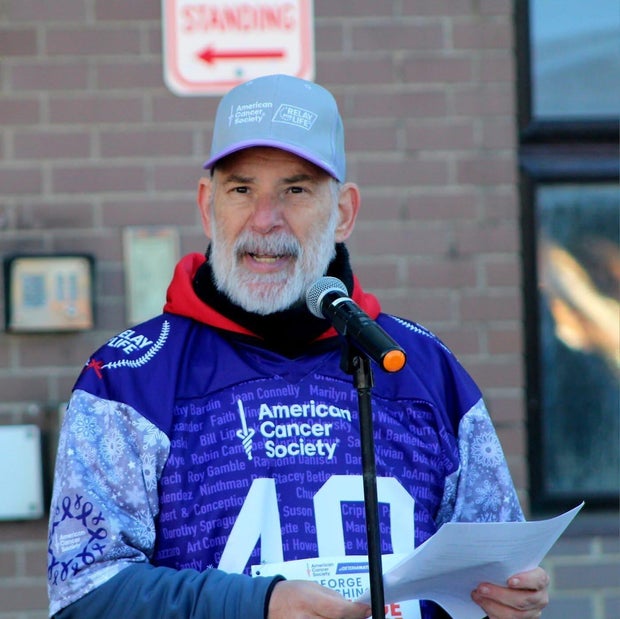
Joe Gillette experienced a life-changing moment when his morning commute revealed a surprising four-lane highway had replaced the familiar three lanes. His realization of double vision prompted immediate action, suspecting it was a side effect from a recent COVID-19 infection. This led him to book a prompt appointment with his doctor.
Following his doctor’s advice, Gillette sought an eye specialist’s consultation and underwent a brain scan. The specialist identified nerve damage in his right eye, attributing the double vision to this cause. Despite this diagnosis, Gillette opted to proceed with the brain scan. Having volunteered with the American Cancer Society for a decade, he appreciated the value of comprehensive medical assessments.
On the day he turned 57, Gillette received alarming results from the scan while spending time with his wife. The notification revealed a grim diagnosis: cancer tumors in his kidney, lung, brain, and stomach. Reflecting on that moment, Gillette described it as a devastating birthday present.
Subsequent medical evaluations confirmed Stage IV kidney cancer, with evidence of tumors in his brain and other parts of his body, including bones, lymph nodes, lungs, and pancreas. Strikingly, no symptoms had emerged until his vision changed. Gillette remarked that, without COVID-19, the diagnosis might have been delayed further.
Aggressive Treatment and Recovery
Gillette’s oncologist, Dr. Martin Voss from Memorial Sloan Kettering Cancer Center, noted the severity of his condition. According to the American Cancer Society, less than 20% of Stage IV kidney cancer patients survive five years. Gillette began an aggressive treatment plan involving immunotherapy, radiation, and brain surgery. The complexity of the procedure led to Gillette being in a medically induced coma for 10 weeks.
Upon awakening, he was unaware of the passage of time. Gillette recounted the surprise upon discovering he had been unconscious for over two months. With physical and occupational therapy, he regained his strength, followed by further radiation treatments.
The treatments yielded positive results, with significant tumor reduction. This marked the beginning of a two-year immunotherapy regimen, which Gillette tolerated well. By April 2024, he underwent surgery to remove the original kidney tumor. Contrary to his concerns about another prolonged recovery, he was discharged from the hospital mere days later.
Continuous Monitoring and Appreciation
Currently, Gillette continues oral immunotherapy and sees his care team, including Voss, every six to eight weeks. Routine MRIs and endoscopies ensure timely detection of any new developments, and targeted treatments keep the cancer in check. Voss emphasized the concerted efforts to maintain control over Gillette’s condition.
Dr. Alpa Patel from the American Cancer Society, although not directly involved in Gillette’s treatment, remarked on the significance of modern treatment options in his recovery journey.
Though scans still provoke anxiety, Gillette focuses on the present. He has fully recovered from his earlier hospitalization, experiencing no adverse effects from current treatments. Personal and family milestones, such as the birth of a grandchild and an upcoming wedding, are focal points for Gillette. He remains active within the cancer survivor community and continues his volunteer work with the American Cancer Society.
Gillette expressed gratitude not necessarily for his ordeal but for the support and survival. He expressed comfort in continuing treatment, stating it helps him cherish the life he has now.
Leave a Reply