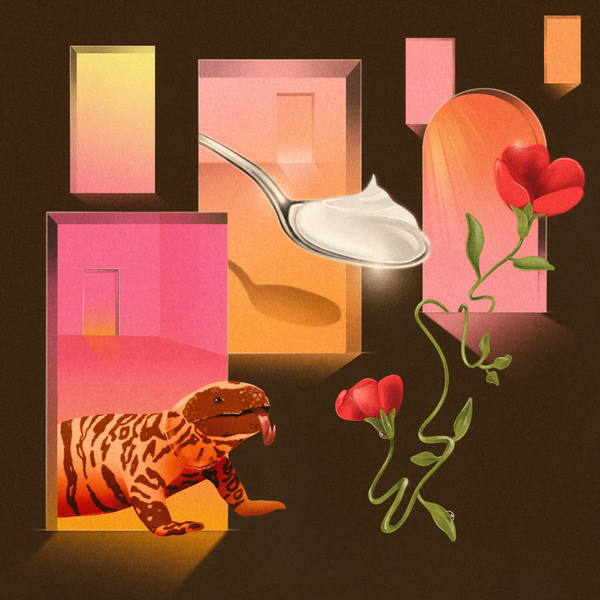
In the early 1990s, a slow-moving desert lizard known as the Gila monster attracted the attention of a curious physician-scientist named John Eng. This creature, capable of enduring extended periods without food, was intriguing due to its ability to stabilize blood sugar levels during long fasts.
Dr. Eng, operating with limited resources at a Veterans Affairs hospital, collaborated with a colleague to explore the lizard’s venom. They discovered a molecule resembling a human gut hormone, which had a longer-lasting effect compared to its human counterpart.
This discovery would eventually lead to the development of GLP-1 drugs, such as Ozempic and Wegovy, known today for their role in treating diabetes and obesity, and holding potential for addressing heart disease and other conditions. These drugs are anticipated to save numerous lives annually. Dr. Eng’s groundbreaking finding was achieved with minimal financial investment.
Funding Challenges and Their Impact
However, the system that facilitated this medical advancement is now at risk. In 2025, the Trump administration took actions to freeze or cancel billions of dollars in research grants. Although courts have intervened to release some of the frozen funds and Congress has opposed proposed cuts to research agencies, the distribution of funds has slowed significantly.
As Congress deliberates on the upcoming year’s budget, the Trump administration seeks further reductions. A proposed rule aims to mandate approval of federal grants by political appointees to align with the president’s policy priorities. This rule may further decelerate grant distribution.
Impact on the Future of Science
The effects are already visible. Leading research universities have reduced graduate admissions, affecting the next generation of scientists. Rachael Sirianni, a cancer researcher, expressed that securing funding for her experimental drug for children’s brain tumors is nearly impossible.
Decreased support for researchers hinders the pursuit of novel scientific questions, which is crucial for medical advancement. Unique discoveries often originate from unconventional inquiries. For instance, rapamycin, a drug vital for preventing organ transplant rejections, was derived from soil on Easter Island. Additionally, the system that evolved into CRISPR gene editing originated from bacteria in yogurt, providing a revolutionary tool for correcting genetic disorders.
Leave a Reply