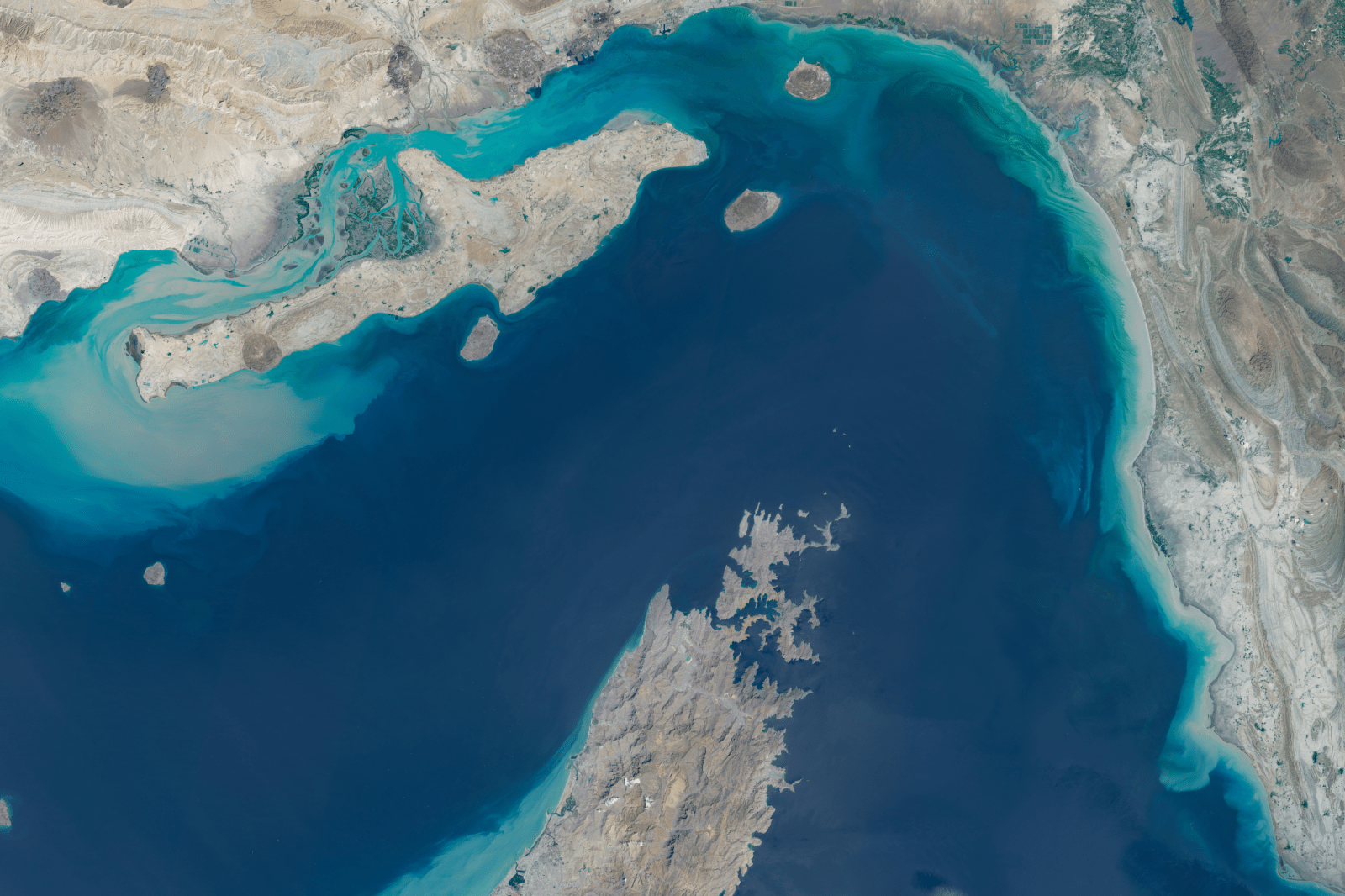
President Donald Trump announced on Truth Social that Iran cannot impose fees on ships transiting the Strait of Hormuz during or after a 60-day ceasefire window. He suggested that if negotiations fail, the U.S. could justify imposing tolls as compensation for security provided in the region. This statement introduces a new wrinkle in the ongoing negotiations regarding the strait, a vital oil corridor. Before the war began in late February, this corridor operated without tolls, but has since become a point of leverage for both parties.
Why Hormuz Matters
The Strait of Hormuz plays a crucial role as it carries a significant portion of the world’s seaborne oil and gas, making it one of the most strategically important waterways. Before the conflict, ships traveled toll-free along this path according to international norms. However, this changed when U.S. and Israeli strikes on Iran initiated a regional escalation on February 28.
Iran reacted by tightening control over maritime access, leading to traffic disruption and increased global energy concerns. The strait quickly became central to military strategies and diplomatic negotiations.
Terms After Ceasefire
The current ceasefire framework addresses the issue temporarily: Iran will not charge ships during the 60-day negotiation period. The core of the dispute is what happens afterward. Trump insists the strait should remain toll-free after the ceasefire period. In contrast, Iranian officials view the suspension as a temporary measure tied only to the negotiation timeframe.
This disagreement highlights a significant gap between the two sides as they approach formal talks.
Iran’s Fee System
Iran has started developing a mechanism to enforce its position. It has set up a regulatory body to manage ship movements and transit-related fees, thus formalizing control over access to the strait. Iranian representatives describe these potential charges as fees for services like navigation support, security, and environmental protection rather than as formal tolls.
Oman, situated across the strait from Iran, has been involved in discussions on coordinating these services and is expected to help manage traffic post-ceasefire. This stance directly challenges Trump’s position, which rejects Iranian-imposed charges and entertains the idea of U.S. compensation if talks fail.
Talks Face Early Risks
Negotiators are scheduled to meet to discuss a final agreement covering sanctions, security arrangements, and the future of shipping through Hormuz. However, the agreement faces early challenges. Iranian military officials claim the strait has been closed, citing violations of the deal, while U.S. officials assert that traffic remains unimpeded.
This tension coincides with renewed fighting in Lebanon between Israel and Iran-backed Hezbollah, both accusing each other of breaching ceasefire terms linked to the broader agreement. The deal relies on halting hostilities across various fronts, and any escalation could impact the U.S.-Iran negotiations.
With the ceasefire time ticking down, the governance of the Strait of Hormuz—and its toll-free status—is central to a deal that could influence both regional stability and global energy supply.
Leave a Reply