Democratic Opportunity in North Carolina
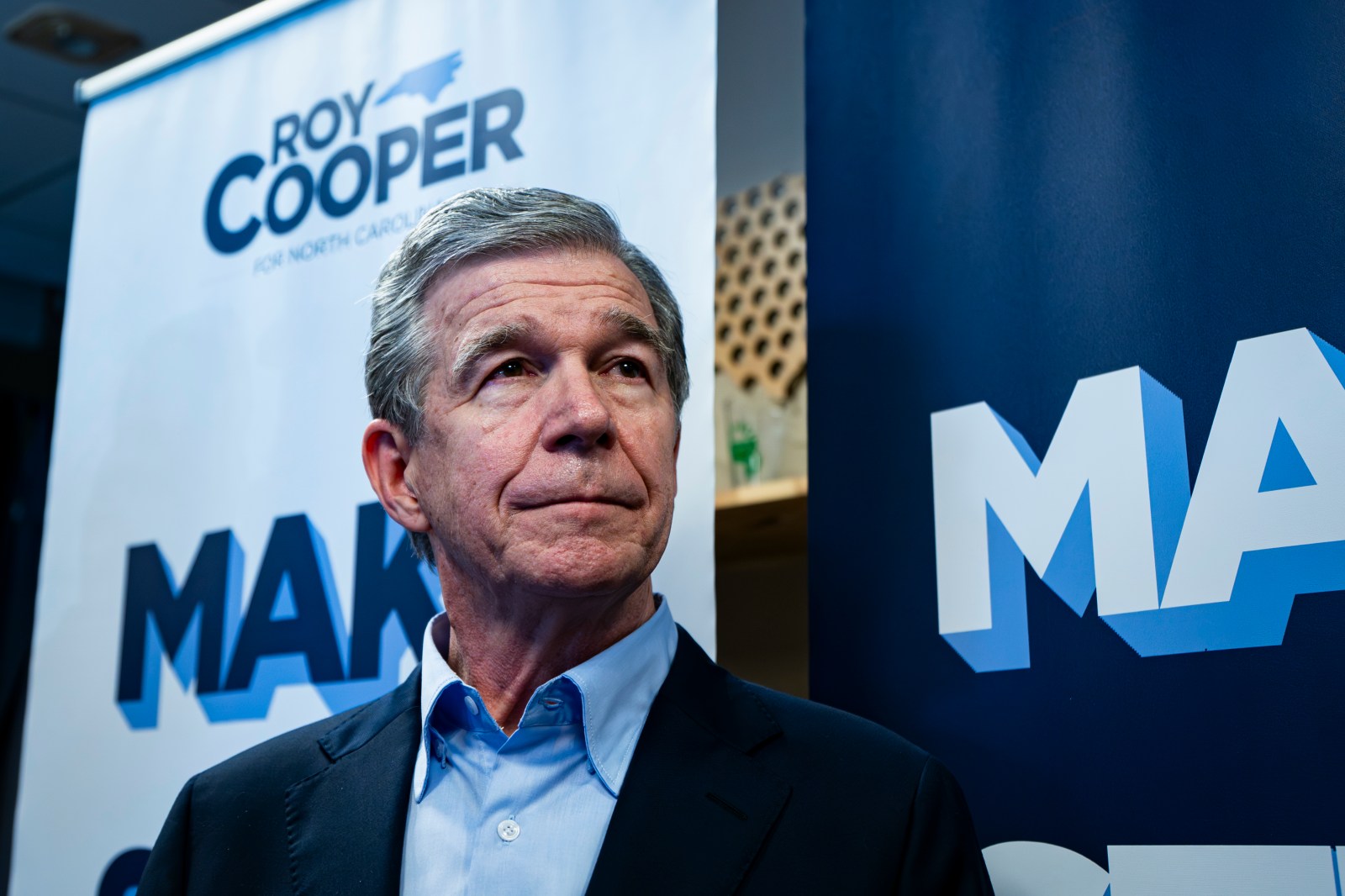
Former Governor Roy Cooper, a Democrat, has emerged with a significant lead over ex-Republican National Committee Chair Michael Whatley in North Carolina’s U.S. Senate race. A recent poll underscores Democrats’ hopes to capture a Senate seat this November by flipping the seat held by retiring Republican Senator Thom Tillis.
North Carolina remains a pivotal battleground state. Despite narrowly supporting President Donald Trump in 2024, it is viewed as evenly split between Democrats and Republicans. Democrats aim to capitalize on favorable national dynamics and Cooper’s popularity to end their Senate seat drought that dates back to 2008.
New Polls Indicate Strong Support for Cooper
According to a poll from Catawba College, Cooper leads Whatley by 14 points. The poll reveals that 48% of respondents support Cooper, while Whatley garners 34%. Indecisive voters account for 15%. This margin mirrors Cooper’s lead from an earlier poll in March. Michael Bitzer, Director at Catawba College’s Center for North Carolina Politics & Public Service, attributes Cooper’s advantage to independent voters who favor him by more than twice the margin over Whatley. Bitzer notes the election is shaping up to be a referendum on the president and his party, with Cooper capturing a majority of disapprovers.
The Catawba poll surveyed 1,000 North Carolina voters from June 1 to June 10, with a margin of error of ±3.83 percentage points.
Other Polling Results
A Harper Polling/Carolina Journal survey reflects Cooper’s early lead. It shows Cooper ahead by over 11 points with 49.8% support, compared to Whatley’s 38.7%. This poll involved 600 likely voters on May 10 and May 11, and has a margin of error of ±4 percentage points.
Further, a High Point University/YouGov poll reveals Cooper’s 8-point lead among likely voters. It reports 50% support for Cooper against 42% for Whatley. This survey consulted 703 individuals from March 26 to April 6, with a margin of error of ±4.3 percentage points.
A Quantus Insights poll suggests a tighter contest, indicating 49% in favor of Cooper versus 44% for Whatley. This poll surveyed 987 likely voters on March 31 and April 1, with a margin of error of ±3.5 percentage points.
Prediction Markets Support Cooper
Prediction markets favor Cooper heavily, assigning him an 85% chance of winning on Kalshi and 86% on Polymarket. These markets aggregate real-money contracts linked to political outcomes, adjusting prices based on trends such as polls, fundraising, and key developments.
Challenges for Democrats in NC
Democrats have experienced success in recent gubernatorial races but struggled in federal elections. The most recent Senate victory was in 2008 by Senator Kay Hagan. Democrats faced setbacks with Cheri Beasley in 2022 and Cal Cunningham in 2020, as well as with Deborah Ross in 2016.
Nonetheless, Democrats maintain firm control over the governor’s mansion, exemplified by Josh Stein’s 15-point victory after his Republican rival entangled in controversies. Over recent years, suburban areas around Charlotte and Raleigh have leaned towards Democrats, contrasting their challenges in rural zones.
Trump clinched the state in narrow margins during his elections: 3.6 points in 2016, 1.3 in 2020, and 3.2 in 2024.
Democrats’ High Stakes
North Carolina represents a critical contest for Democrats amidst tough Senate landscape. Republicans hold a 53-47 advantage, necessitating Democrats to capture four seats to gain majority.
Apart from North Carolina, the seat in Maine owned by Republican Senator Susan Collins is deemed a potential target, with Maine favoring Kamala Harris by 7 points in 2024. Democrats must defend seats in Trump-won Georgia and Michigan.
Even if Democrats secure these races, they must explore states like Alaska, Iowa, Ohio, and Texas, traditionally Republican strongholds, for possible flips.
Looking Forward
Polls will be consistently monitored as they remain vital indicators of voter preferences. Analysts like Cook Political Report and Sabato’s Crystal Ball assess North Carolina leaning Democratic, yet highly competitive.
Leave a Reply