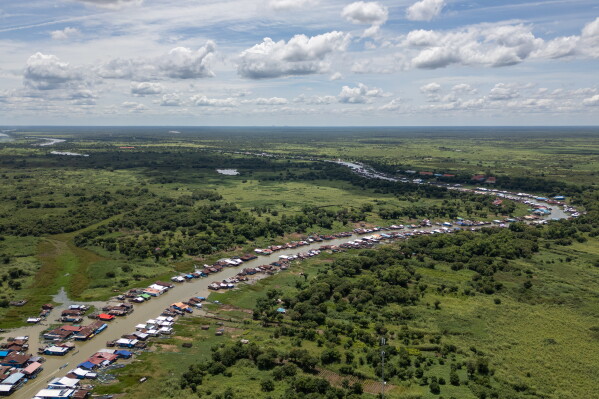
Sou Sreynich, a 13-year-old from Cambodia, hopes to become a teacher. Yet, she’s aware of her delayed start. She began school at 10, while most children her age had already been attending classes for years. Her mother waited until she could swim, fearing the safety of the boat ride to school. This concern is common among parents on Tonle Sap, the largest freshwater lake in Southeast Asia. Recently, the surge in gasoline prices due to the Iran war has added another layer of difficulty.
This conflict’s impact on education is subtle compared to COVID-19 school closures, yet it affects the poorest families first. Increased fuel prices make travel to school costly for students and teachers and strain government budgets for education. On the lake, transportation primarily involves water routes, and climate change complicates this with unpredictable flooding and droughts. In the past, 10 students have drowned while traveling.
A UNICEF report warns that if the war persists, up to 23.4 million more children might fall into poverty by year’s end, with 80% in Africa and Asia.
“The Iran war is likely going to force millions of children out of school and could force millions of children to make the decision not to enroll in the first place.” — Sabrina Hervey, Education Above All Foundation
Sreynich’s family, like many others on Tonle Sap, depends on fishing for income. They supplement their earnings by picking chili peppers and gutting fish. Rising fuel costs mean they can’t afford trips to fish-rich areas. When funds are low, Sreynich misses school to help her family, fearing the educational interruptions.
Vulnerable Children at Risk
For families on the brink of poverty, the war’s effects are forcing hard choices between food, fuel, and education. In Southeast Asia, some children leave school to work. In Vietnam, sisters Ly, 16, and Nhi, 13, have managed school intermittently due to their family’s financial struggles. Their father lost his fishing job as boat owners can’t afford diesel. Struggling with debt, the family relied on his occasional work, which wasn’t sufficient.
The sisters moved to Hanoi, working long hours in a restaurant, which posed legal issues for 13-year-old Nhi due to child labor laws. The nonprofit Blue Dragon Children’s Foundation stepped in, helping them return to school. Michael Brosowski from the foundation describes the slow yet severe impact of the war, where families prioritize by taking some children out of school.
Fuel price hikes are increasing education costs, from transportation to classroom supplies. It’s pricier for teachers and aid workers to access remote areas. Governments contend with rising food and energy costs, leaving less for education. On Tonle Sap, importing supplies by boat inflates costs significantly. Samphors Vorn of Aide et Action notes high electricity expenses even for running school labs.
Global Disruptions in Education
Developing nations reliant on imported energy face disruptions due to the war. Countries like Bangladesh, already financially strained, witness pressure on government spending for education and healthcare. In some South Asian countries, girls might suffer more as families prioritize sons, leading to potential increases in school dropouts and child marriages.
South Asia has the world’s highest child bride rates, per UNICEF. Many children globally rely on school meal programs, which aid learning and healthy development. However, these may face challenges as the conflict affects fertilizer and transportation costs. In areas like northern Nigeria, there’s increased malnutrition risk among children.
“I’m really afraid to see what’s going to happen.” — Sabrina Hervey, Education Above All Foundation
Education disruptions stemming from global conflicts reveal the vulnerabilities of children in poverty-stricken regions, highlighting the complex interplay between local challenges and international events.
Leave a Reply