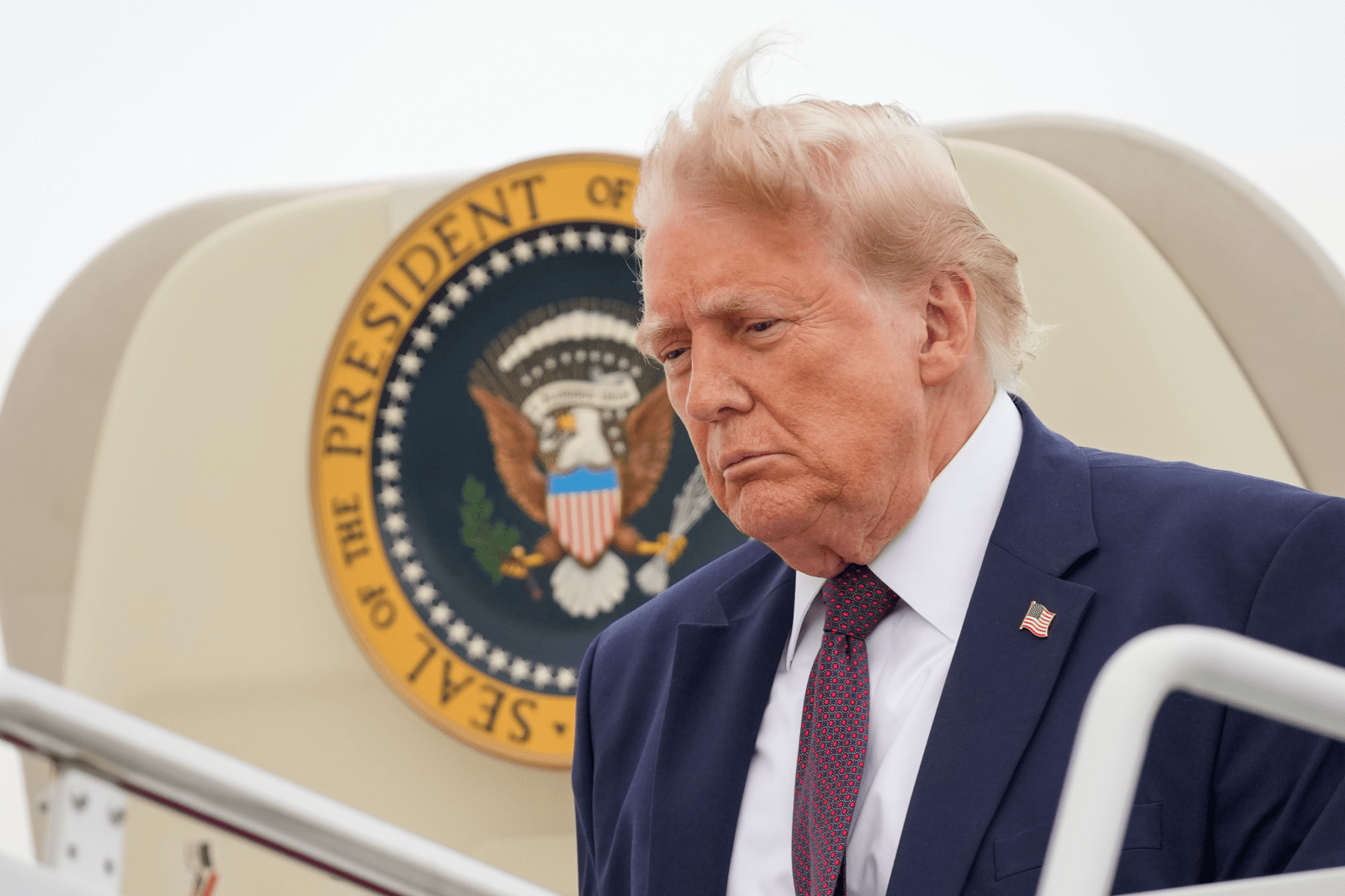
Confidence Varies: Trump’s Global Leadership
A recent survey by the Pew Research Center highlights low confidence in President Donald Trump globally, with notable support in select countries. Conducted from February 8 to May 13 across 36 nations, the poll involved 42,151 people.
Just 23 percent expressed confidence in Trump’s leadership. Ratings have generally fallen worldwide, illustrating a gap between American influence and public trust amid geopolitical crises.
You may see U.S. allies and affected regions reassessing Washington’s reliability. White House spokeswoman Olivia Wales defended Trump’s achievements, touting foreign policy successes and military operations.
Strongest Support: Specific Countries Lead
The Philippines at 68 percent, Israel at 66 percent, and Nigeria at 65 percent show the strongest support for Trump. Kenya and Ghana exhibit high confidence as well.
You might infer specific factors fueling these results:
- Israel reports high ratings with two-thirds supporting Trump’s leadership.
- Nigeria and Kenya reveal divides, particularly along religious lines, influencing national averages.
- The Philippines favor an assertive U.S. leadership style.
Lowest Confidence: Middle Eastern and European Skepticism
Regions like Turkey and Palestinian territories register low support, often single-digit figures, furthering skepticism over U.S. foreign policy.
You observe deep skepticism in countries directly impacted by American policy, reinforcing challenging perceptions.
U.S. Image Overall: Slip in Favorability
Pew’s findings show a shift. Globally, 37 percent maintain a favorable view of the U.S., while 57 percent hold an unfavorable perspective.
Countries such as Indonesia, Italy, and South Korea notice sharper declines in U.S. favorability over the past year.
Comparative Declines Since Biden’s Presidency
Trust fell after Biden’s presidency period marked positivity. Canada’s perception dropped significantly, from 83 percent seeing the U.S. as reliable in 2022 to 35 percent now. Similar declines appear across Europe and Asia.
Interestingly, Trump’s current ratings in Western European nations slightly exceed figures from his first presidency’s conclusion.
Foreign Policy Driving Global Perceptions
Trump’s foreign policy on Iran, Gaza, and tariffs generally disapproves by majorities across surveyed countries:
- Iran: 74 percent disapproval.
- Gaza: 76 percent disapproval, no majority approval.
- Tariffs: 77 percent disapproval.
- Venezuelan Crisis: Only 22 percent approval.
International humanitarian aid sees a median 37 percent approval, only among middle-income countries like the Philippines and Kenya.
Overall Trust Erosion: Impact on U.S. Image
Beyond leadership ratings, broader indicators show systemic declines in how the U.S. is globally perceived.
- Decreased belief in its contribution to global peace.
- Reduced thought it considers other nations’ interests.
- Weakening confidence in its democratic model.
Taken together, these point to declining soft power beyond any single presidency.
Future Implications: Potential Polarization
The survey reveals a fragmented global opinion landscape. Should trends continue, influence may more heavily depend on region, issue, and alignment rather than broad-based trust.
Leave a Reply