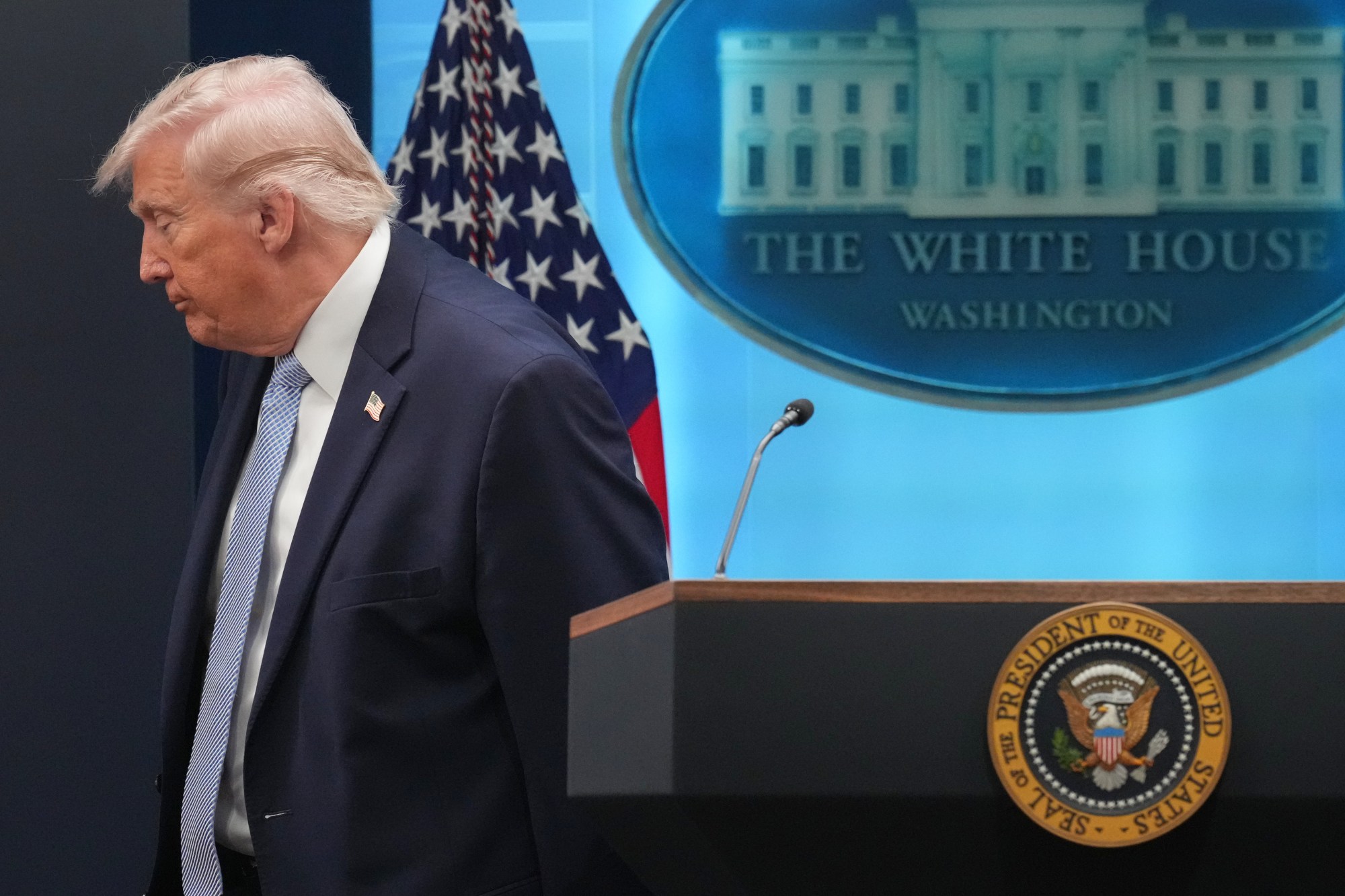
Recently, President Donald Trump addressed reporters at the White House, discussing Iran’s violations of the U.S.-negotiated ceasefire. This latest breach has underscored the challenges of relying on Iran’s commitments within the international arena.
The agreement with Iran is considered by many to be more detrimental to U.S. and Western interests than the previous Joint Comprehensive Plan of Action (JCPOA). Critics argue that Trump’s deal grants more advantages to Iran, similar to the criticisms aimed at JCPOA’s perceived ineffectiveness in restraining Iran’s nuclear activities.
While Iran’s nuclear weapons programs have temporarily faced setbacks during the conflict, resulting in weakened military capabilities, Trump’s approach to open the Strait of Hormuz involved financial arrangements. Gulf States and private investors were supposedly tasked with paying large sums labeled by Iran as “reparations,” yet there were no reciprocity regarding U.S. losses or the damages from Iranian attacks.
Israel, a significant stakeholder in the regional conflicts, received no compensation for its losses due to Iranian aggression. Further concerns of financial imbalance arise around Iran’s earnings from illegal oil sales that circumvented sanctions.
The implications of this scenario extend beyond the immediate region. The erosion of U.S. credibility in dealing with adversaries like China, Russia, and North Korea is highlighted. These nations have observed Trump’s inconsistent use of American military power, notably when not paired with solid alliances or when faced with prolonged engagement.
The strategic exposure of key maritime areas such as the Taiwan Strait, analogous to the Strait of Hormuz in its economic importance, adds to the strategic vulnerability of U.S. and Western interests. Critically, modern military techniques do not fully guard against conventional threats in these chokepoints.
Coordinated defense strategies are necessary to counter threats, emphasizing proactive cooperation rather than reactive adjustments to emerging threats. Trump’s diplomacy and deal-making skills are urged to foster comprehensive defense planning within allied nations, with NATO Secretary-General Mark Rutte voiced as an ally.
Calls for regime change in Iran persist as part of broader U.S. foreign policy goals to mitigate adversarial impacts in the region. The ongoing situation is significant for understanding U.S. diplomatic strategy under the Trump administration.
Joseph Bosco, with extensive experience in defense and humanitarian roles, provides insights into the broader implications of policy decisions, noting the necessity for sustained strategic engagement in defense and international diplomacy.
Leave a Reply