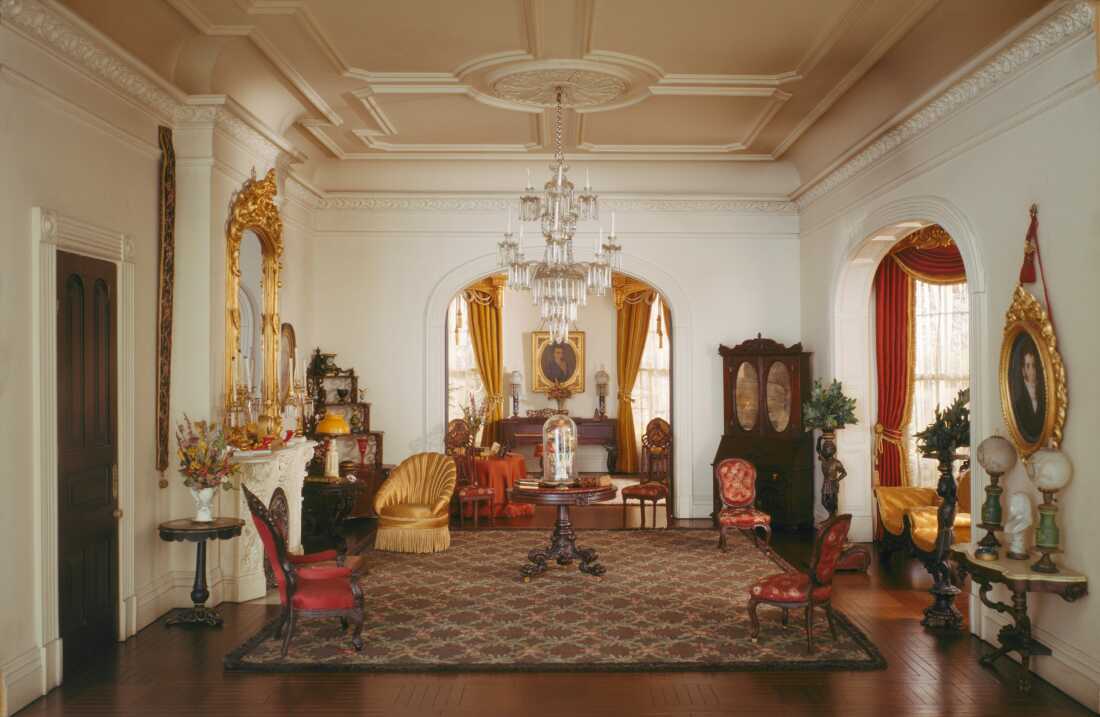
The Georgia Double Parlor, a renowned miniature diorama by Mrs. James Ward Thorne, represents a 1:12 scale model of a southern plantation manor from the antebellum period. This exhibit, housed at the Art Institute of Chicago, showcases 68 miniature rooms that document the history of interior design. These small rooms are arranged behind windows set into gallery walls, each reflecting the trends of a different era and place.
According to Kit Maxwell, the department curator, these exhibits are among the museum’s most popular attractions. Many Chicagoans fondly recall childhood visits to see these detailed rooms. Created by Narcissa Niblack Thorne from one of Chicago’s wealthiest families, these miniatures came to life through a team of artisans in the 1930s. Thorne, an avid collector herself, emphasized that these were not dollhouses but educational displays illustrating good taste and decor principles. Thorne passed away in Chicago in 1966.
One room showcases a London living room from the 1930s, complete with a cocktail set and a copy of Country Life magazine. This specific room, part of several depicting English drawing rooms from various eras, features high ceilings and creamy walls. Maxwell personally favors this room, feeling a sense of belonging within its confines.
The museum’s team cleans these rooms biannually. Jonathan Worcester, the primary art handler, oversees the preservation and display of these art pieces. His responsibilities range from coordinating with mount makers to preparing artwork for cleaning or repair. Cleaning each room takes between one to three hours, focusing on removing dust and soot to preserve the exhibit.
Worcester uses a careful approach, armed with tools like brushes, spatulas, tweezers, and an air blower. He even utilizes a miniature chandelier holder for detailed cleaning. His process involves unlocking the glass case, dismantling the furniture, cleaning the interior, and finally, addressing the ancillary sections. Throughout, Worcester uses reference photos to ensure each object returns to its original position.
Notable among the exhibits, the California Hallway room commissioned by Thorne, features original miniature paintings by artists like Fernand Léger and Léopold Survage. Worcester describes the task as repetitive yet necessitating utmost care, reaching a meditative state by listening to audiobooks while completing his work.
Leave a Reply