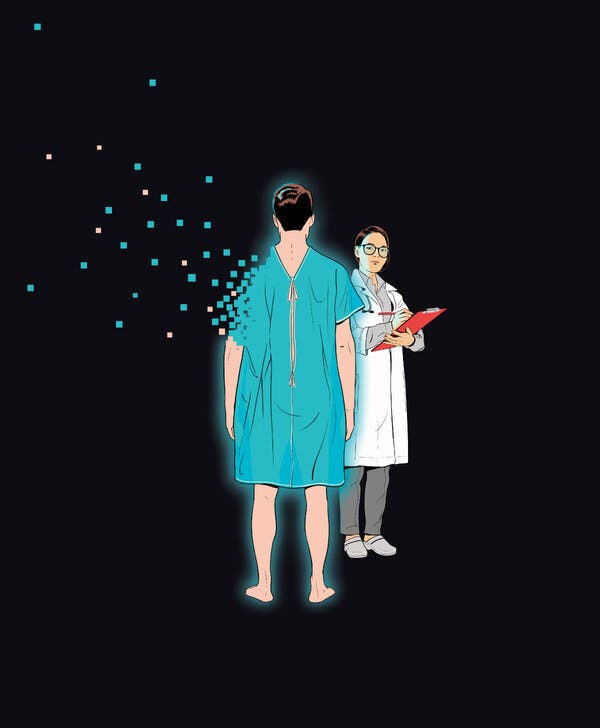
For decades, writing summaries of patient exams has been crucial for physicians aiming to provide accurate diagnoses. However, advancements in artificial intelligence (AI) present new possibilities for healthcare documentation.
Medical students begin by learning how to write clinical notes, a process meant to record patient interactions, observations, and potentially diagnose symptoms. This task serves as an initiation rite, marking the transition from student to practicing physician. Although initially considered essential learning, the task becomes burdensome as physicians progress in their careers. Instead of enhancing patient care, documentation appears to hinder it by taking time away from patient interactions.
AI assistants enter the scene as a promising solution. These tools listen to conversations between physicians and patients, producing comprehensive notes that potentially free up physicians to spend more time with patients. This technology aims to relieve clinician burnout and improve efficiency within healthcare systems. Start-ups dedicated to developing AI medical scribes have secured significant investments, signaling growing interest in this technology.
Research indicates widespread adoption in various health systems. A survey of nonprofit health systems in the United States revealed that they are all either developing, piloting, or deploying AI scribe technologies. Although some physicians may resist this adaptation, institutional pressures could make its use inevitable. Some clinics report adoption rates as high as 80 percent.
According to Adam Rodman, a Harvard Medical School professor, AI represents perhaps the fastest-adopted medical technology in history. It offers exciting prospects for medicine such as diagnosing rare diseases, predicting health risks, and discovering new drugs. Yet its primary current application appears to be rewriting patient interaction records. Beyond transcribing conversations, AI scribes analyze and synthesize information to generate clinical notes.
The incorporation of AI into clinical documentation is transforming patient care, with the potential to improve communication between physicians and patients while increasing the efficiency and effectiveness of healthcare services.
Leave a Reply