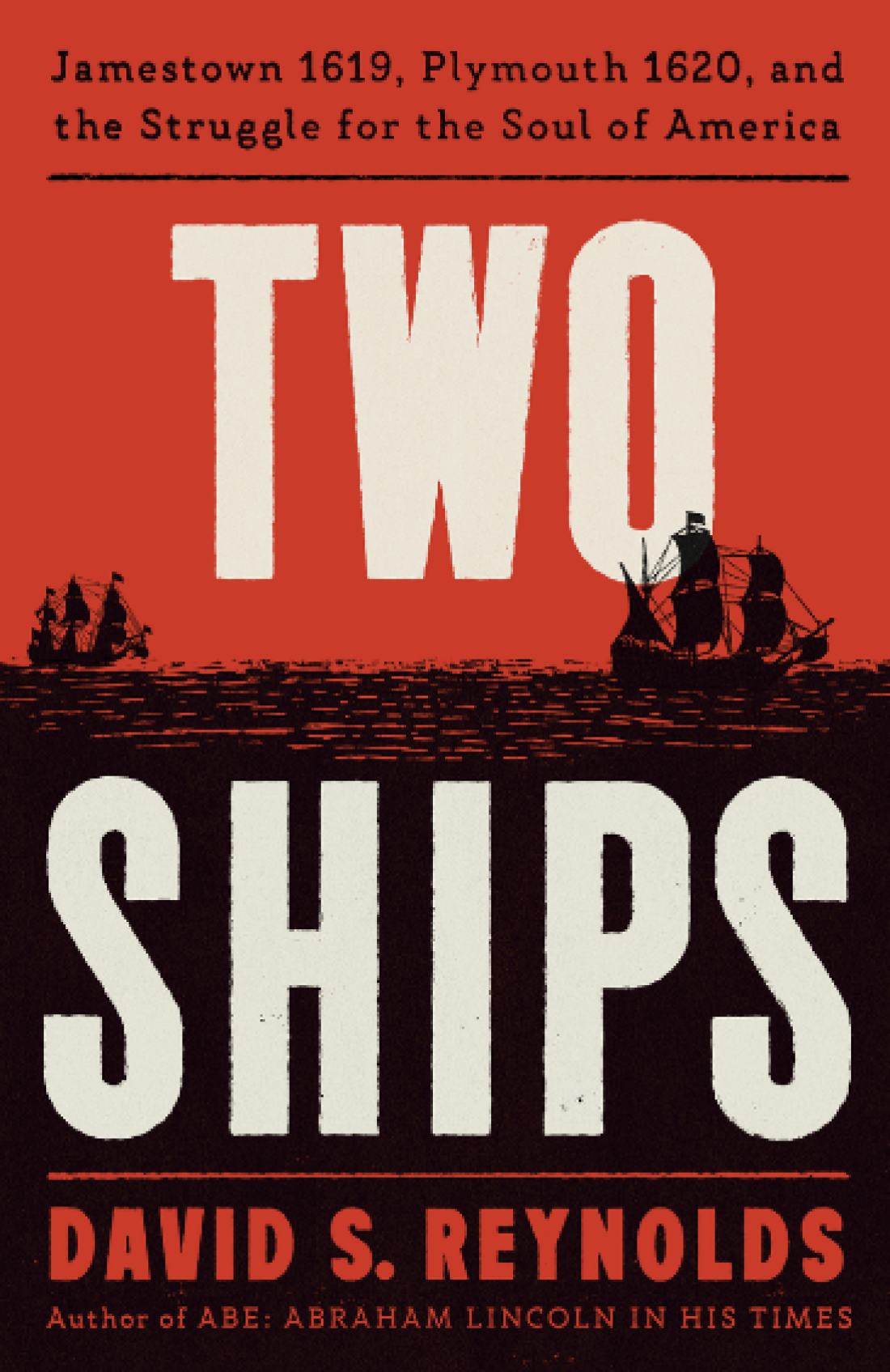
Historian David S. Reynolds explores America’s complex beginnings in his new book, Two Ships. The timing of the release, around the 250th anniversary of the United States, highlights the nation’s struggle with its founding narratives. Reynolds delves into the intertwined legacies of the Mayflower and the White Lion, two ships central to American identity.
Historical Context
Mayflower and White Lion: The Mayflower carried Pilgrims, separatist Puritans, to Plymouth, Massachusetts in 1620. They sought religious independence from the English monarchy. Their arrival planted the seeds of a radical democracy where equality was, in theory, a cornerstone.
The White Lion arrived earlier, in 1619, at Jamestown, Virginia. It brought the first enslaved Africans, signifying a stark contrast in values. Jamestown settlers were Royalists who upheld strict hierarchies.
Metaphor and Conflict
Reynolds examines how these narratives became powerful symbols in American history. The metaphors of the two ships intensified during the Civil War. Abolitionists condemned the White Lion, associating it with the scourge of slavery. Frederick Douglass frequently used the ‘two ships’ metaphor, contrasting with Lincoln’s focus on preserving unity.
Conversely, Southern Cavaliers criticized Puritans using the Mayflower metaphor, portraying them as intolerant and persecutive.
Cultural Memory
“Distortion is intrinsic to cultural memory, especially when amplified by sectional or political bias.” — David S. Reynolds
Reynolds emphasizes that the South ignored the North’s diverse religious evolution, clinging to distorted memories. The Mayflower symbolized radical movements threatening the Union.
Literary fiction also influenced Southern nostalgia. Works like Nathaniel Hawthorne’s The Scarlet Letter and Sir Walter Scott’s medieval romances nurtured fantasies of a feudal society, criticized by Mark Twain for their lasting negative impact.
Continued Impact
Reynolds covers three centuries of history through this metaphor. By the 1890s, racial solidarity across the U.S. strengthened, with Mayflower celebrations reinforcing this sentiment.
Later, the Mayflower image was depoliticized, turning into a commercial symbol. Yet, seven years ago, the 1619 Project rejuvenated discussions about the White Lion, refocusing on slavery in the American narrative.
Despite critiques, Two Ships offers valuable insights into America’s understanding of its origins. It’s a recommended read for anyone seeking a deeper grasp of these historical dynamics.
Leave a Reply