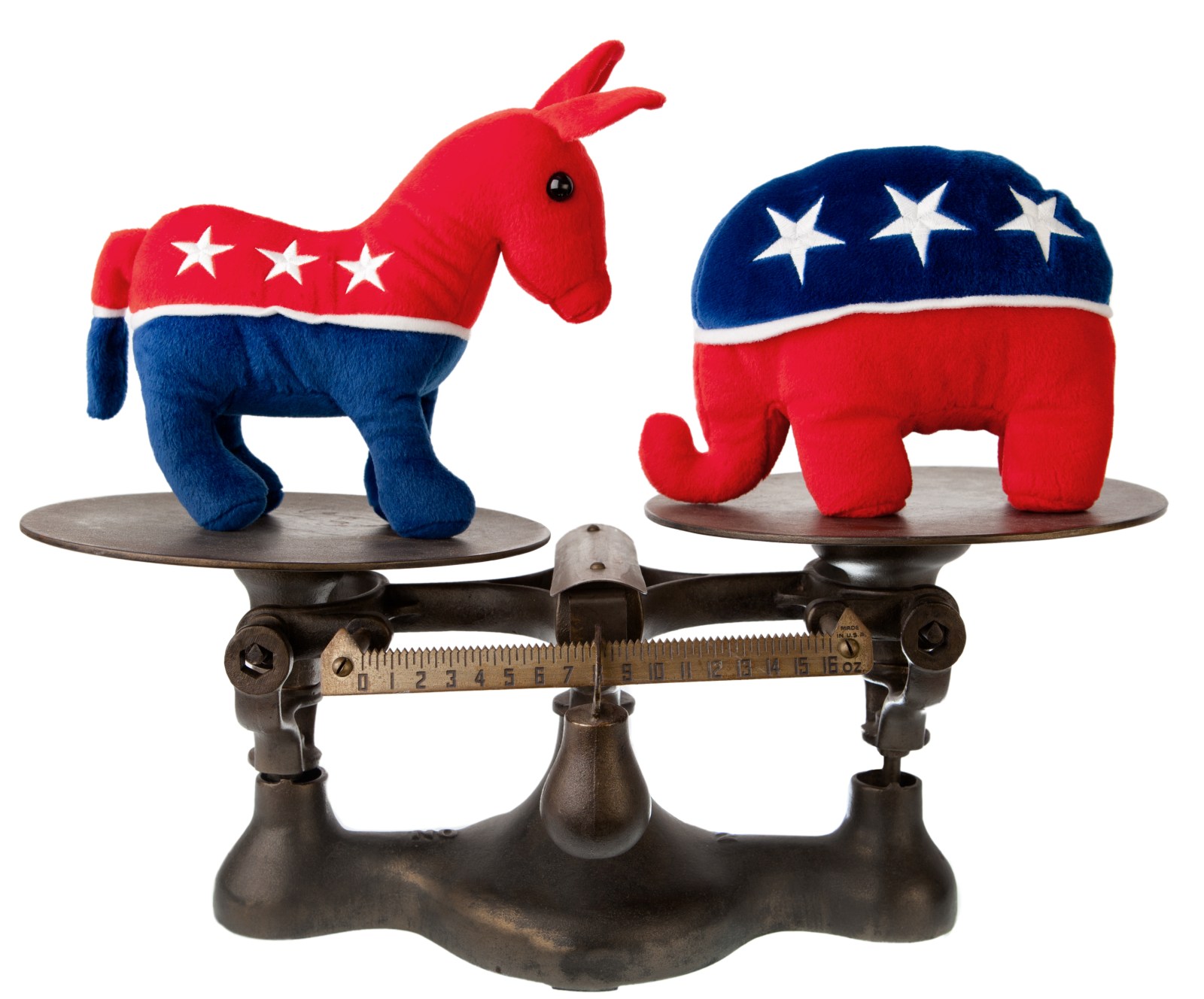
One of us has worked under Donald Trump, and the other is a political science professor and elected Democrat in our shared hometown. We often disagree on public policy, discussing candidates and policies in heated porch debates. Yet, we both believe firmly in one idea: Americans, despite disagreements, remain united as Americans first.
As the United States nears its 250th anniversary, a fundamental question arises that surpasses any policy debate: Are Americans committed to the founding principle that made the United States possible?
Political disagreement isn’t the true threat. America has thrived on robust debate as the essence of democracy. The danger lies in straying from the unity that originally bonded the nation.
The choice to name the nation the United States of America was intentional. At a time when local loyalty prevailed, the founders emphasized ‘united’ in their ambitions. They envisioned a nation where differing interests and visions could coexist in freedom if united.
During the Constitutional Convention, consensus was rare, yet a constitutional framework emerged where disagreement could persist without dooming the nation.
Today, many political, media, and cultural realms promote the opposite. Politicians cast opponents as threats, media figures amplify hostility, and algorithms encourage division. Even mundane issues like gas stoves become cultural battlegrounds.
The result is a culture where Americans see each other as foes, not fellow citizens with differing views. Trust in institutions erodes, and Americans are sorting into isolated political camps. Pew Research reveals majorities in both major parties view the opposition as immoral. When there’s no agreement on facts, common ground becomes elusive.
The consequences are dire, seen in political violence and increasing threats to local administrators and election workers.
This issue spans all political factions. It’s the result of a divisive culture telling citizens the opposition isn’t just mistaken but malicious. Extremists often take this message literally.
George Washington’s Farewell Address warned of factions as tools for unprincipled men to subvert democracy. Today, gerrymandering ensures both parties encourage division. More competitive districts can counter this, forcing politicians to consider all constituents. Without these, polarization thrives. Outrage becomes strategic; compromise, a weakness.
Ronald Reagan stressed that freedom requires each generation’s stewardship. The decision we face echoes historic choices between division and unity. Reagan and Tip O’Neill understood differences don’t doom freedom; prioritizing unity over division ensures democracy’s endurance.
Authoritarian regimes exploit division to undermine democracies. Every political friction empowering distrust aids those wishing America harm. Our adversaries benefit from internal societal rifts.
As Franklin once asked, can we keep the republic? Unity offers hope. If we manage harmony despite differences, so can the nation.
Leave a Reply