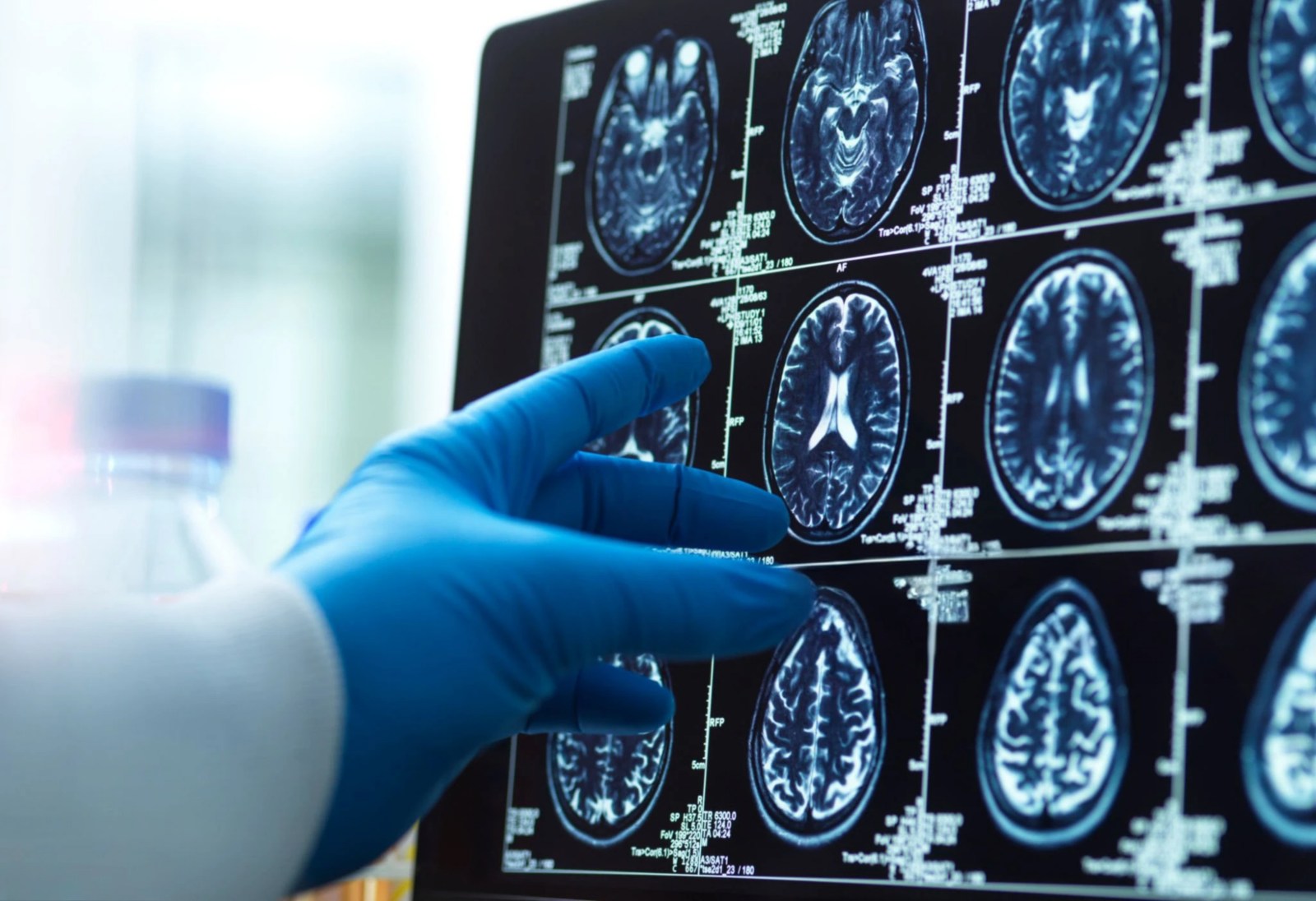
A team of researchers reports a novel approach to combat one of the deadliest brain cancers, glioblastoma. They developed an experimental therapy based on exploiting a perceived critical weakness of the disease. Although potential patient use is years away, preclinical models have generated interest. These findings, published in Nature, present a distinct perspective compared to past methods. The urgency for fresh treatments remains high as glioblastoma ranks among the most lethal cancers. Most patients survive just 12 to 18 months after diagnosis, with long-term survival being rare—only about 5% live beyond five years.
Traditionally, glioblastoma was viewed as a standalone mass. However, researchers now suggest the tumor relies on a network of surrounding cells that aid its survival and growth. Solid tumors like glioblastoma aren’t merely masses of cancer cells; they’re ecosystems of both cancerous and non-cancerous cells that support each other,
explained Shan Grewal, PhD candidate at McMaster University and co-lead author. This idea guided much of their research.
Grewal emphasized the danger of concentrating solely on cancer cells, possibly ignoring crucial biological processes vital for the disease’s survival. Our findings suggest therapies should target the cancer cells and the entire ecosystem concurrently,
he stated.
The team focused on a protein, GPNMB, found in two critical areas: glioblastoma cells and macrophages, which are immune cells supportive of the tumor. This discovery led to a therapeutic strategy where CAR-T cells were engineered to target GPNMB wherever it appeared, thus affecting multiple disease components.
Senior author Sheila Singh, professor of surgery at McMaster University, echoed this dual attack strategy. We must treat glioblastoma as a connected tumor-immune ecosystem,
Singh said. Preclinical tests showed the therapy eliminated detectable tumors and achieved long-term disease-free survival in models derived from human tumors.
One major insight concerned GPNMB’s role in marking both cancerous and tumor-associated macrophages. Grewal noted, That changed our approach from targeting cancer cells alone to targeting the broader symbiosis involving the immune environment.
The findings contribute to understanding why immunotherapy success in glioblastoma, compared to some blood cancers, remains elusive. Grewal explained that the tumor’s environment creates hurdles to effective treatment.
Despite progress, challenges remain. The therapy has yet to enter clinical trials, and patient-specific factors and delivery methods still need clarification. Safety and regulatory measures must also be completed. Grewal stressed that although the findings are promising, the therapy remains in early stages.
Glioblastoma remains a devastating cancer, and patients need new options,
he stated. While it’s a hopeful development, Grewal reminded patients and families that the treatment is not yet available but represents progress.
Leave a Reply