During the challenging period of the coronavirus pandemic, a shift happened in how my friends and I carried out our usual movie-night tradition. Instead of gathering on a couch surrounded by snacks, we transitioned to watching films simultaneously online. Despite the distance, our basic rule for film selection remained unchanged: choose something fun, avoid anything dull.
This new online format maintained the same lively interaction we cherished, yet being apart altered our discussions. We still reacted with groans, laughter, and even metaphorical popcorn throwing, but our exchanges grew deeper.
While viewing Patrick Swayze’s cult hit “Road House,” our conversation took on a philosophical twist. We began to question why these “good-bad” films, filled with eccentricity and chaos, captivate us. What defines true entertainment?
In my role at The New York Times, my editor often observes that I approach “highbrow about lowbrow” subjects. I’m fascinated by individuals and projects with non-traditional paths and outcomes. These don’t always fit the usual criteria of success or failure.
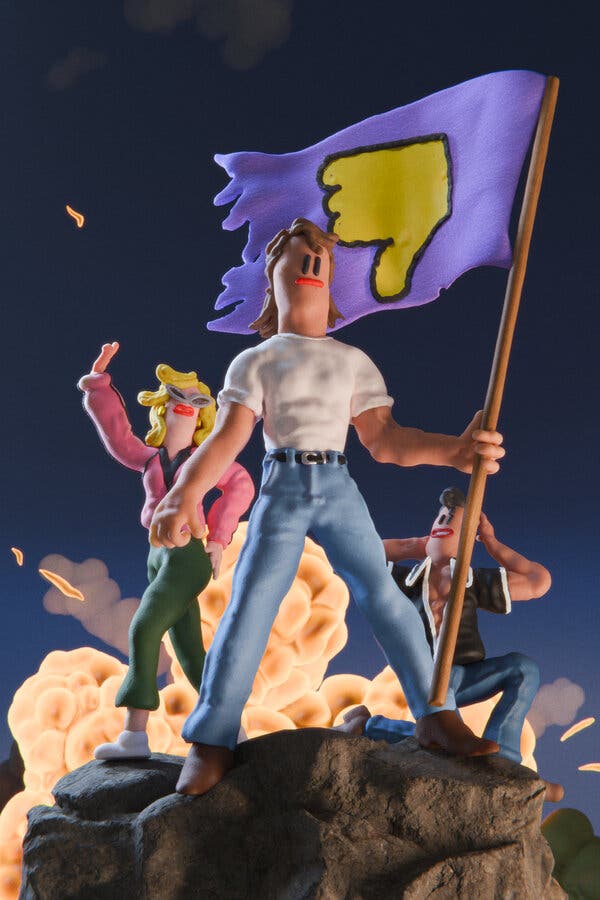
The Good-Bad series, which is my dive into movies that charm despite themselves, exemplifies this focus. Films like “Grease 2,” “Batman & Robin,” “Practical Magic,” and “Volcano” are perfect lenses through which I explore what entertainment truly means.
Great films, those critically acclaimed and intellectually stimulating, often leave a lasting impact after a single viewing, yet we might not revisit them frequently. This contrast between different kinds of films fuels much of my curiosity and writing.
Leave a Reply