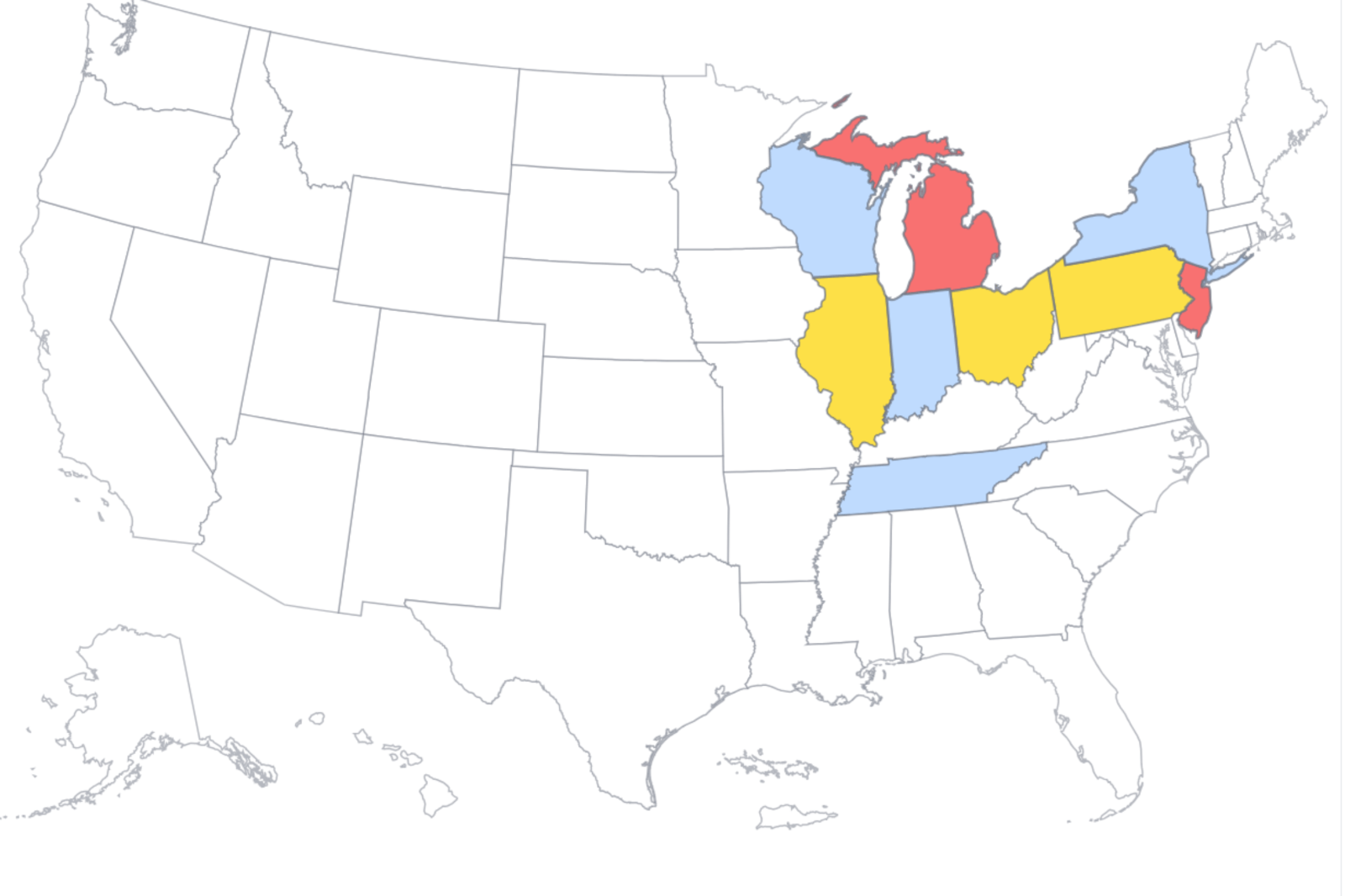
A combination of a heat wave and severe storms has left nearly 1 million homes and businesses without electricity across the country on Saturday. This disruption comes as Americans celebrate Independence Day, marking the nation’s 250th anniversary.
According to the tracking website PowerOutage.us, approximately 838,000 customers are currently without power nationwide, with the highest outages concentrated in the Midwest and Northeast. Earlier Saturday, the number of affected accounts surpassed 950,000. It is important to note that these figures represent individual utility accounts, meaning the actual number of people affected is likely higher.
These outages pose potentially life-threatening conditions, with dangerous heat affecting large areas of the country. Millions are left without air conditioning or refrigeration. The National Weather Service (NWS) has issued warnings for substantial portions of the East Coast, Mid-Atlantic, and Midwest regions. Heat index values could exceed 100 degrees Fahrenheit, with some areas facing temperatures of 110 to 115 degrees.
Michigan Hardest Hit
Michigan experienced the most significant outages on Saturday, with nearly 383,000 customers lacking electricity. Other heavily impacted states included:
- New Jersey: approximately 179,000 customers
- Pennsylvania: approximately 63,000 customers
- Illinois: approximately 50,000 customers
- Ohio: approximately 50,000 customers
- Wisconsin: approximately 18,000 customers
- New York: approximately 15,000 customers
- Tennessee: approximately 12,000 customers
Utility companies acknowledge that these figures may fluctuate as repair crews work to restore service and new weather events cause localized outages.
Canceled Events Due to Extreme Weather
The severe conditions have resulted in the cancellation or alteration of numerous July 4 events in at least nine states and the District of Columbia. In Washington, D.C., officials canceled the National Independence Day Parade due to forecasts predicting a heat index of up to 115 degrees. The Great American State Fair was temporarily closed before reopening later that evening. DC Fire and EMS reported treating 44 patients for heat-related illnesses, with seven requiring advanced care.
In Philadelphia, a parade planned to showcase elements from all 50 states was canceled. Initially shortened due to the weather, the event was stopped entirely following subsequent forecasts.
In the western regions, heightened wildfire risks led to widespread burn bans, undercutting planned fireworks displays. Officials in Colorado canceled events in municipalities such as Colorado Springs, Pueblo, and Cañon City.
Pressure on Infrastructure
The NWS warned that extended periods of excessive heat place heavy stress on infrastructure, including power, water, and transportation systems. In New York City, Con Edison reduced voltage in parts of Westchester, the Bronx, and Queens to avoid grid overload amid increased air conditioning usage. They distributed dry ice to residents affected by outages to mitigate food spoilage and provide temporary relief.
The heat wave coincides with severe weather impacting millions from the Midwest to the Northeast and Mid-Atlantic regions. Alerts indicate that persistent extreme heat could strain infrastructure, increase risks of heat-related health issues, and potentially continue to cause disruptions through the holiday weekend.
Emergency management leaders are advising residents in affected areas to limit outdoor activities, monitor vulnerable community members, and make use of local cooling centers.
Leave a Reply