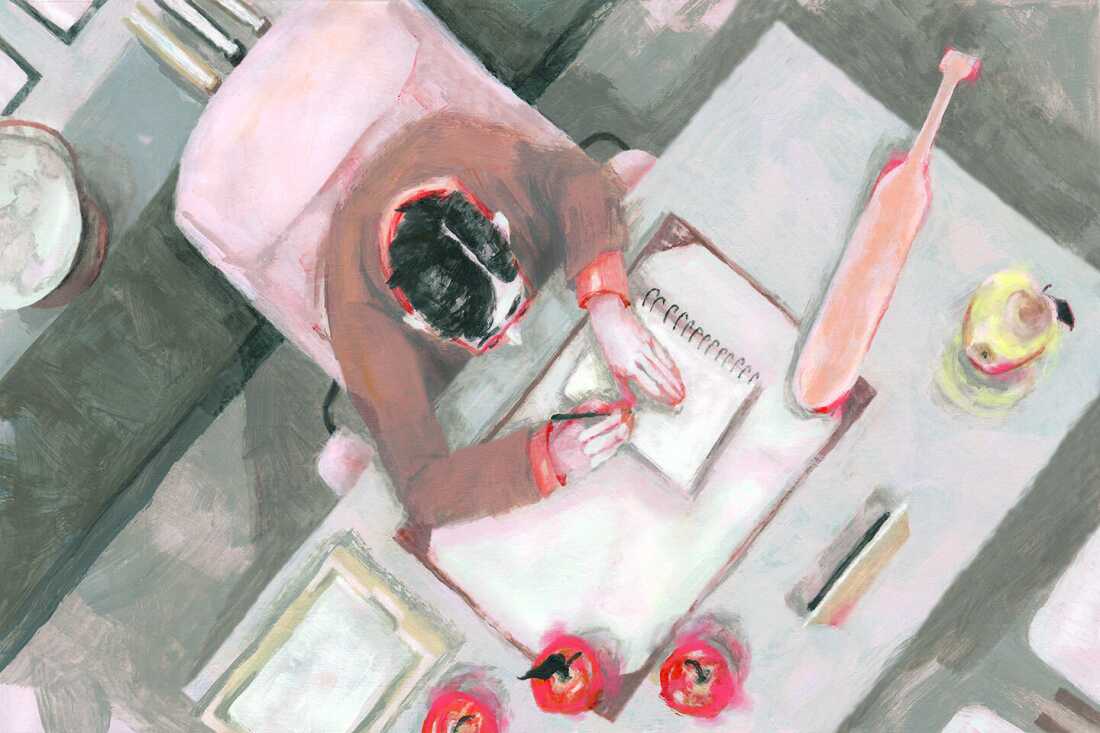
One day, about eight years ago, Tessa Davis received a call from her son’s school outside Little Rock, Arkansas. Her son, identified only as C, had misbehaved in the cafeteria, where the school claimed he twisted a girl’s jacket, suspecting an attempt to choke her. Faced with his past behavior issues, the school presented Davis with two choices: a three-day suspension or corporal punishment in the form of paddling. Davis recalls the dilemma, unable to afford staying home from work, she deferred the decision to her husband. He decided on the paddling, suggesting that since he experienced it as a child, their son could as well.
Davis’ instant regret was profound, and after the paddling, C became scared to attend school. Davis noted a change in his demeanor, describing him as more tense and fearful, particularly in that school setting. She recalled C expressing his reluctance to return, fearing physical harm at school.
The American Academy of Child and Adolescent Psychiatry defines corporal punishment as anything done to cause pain or discomfort in response to a child’s behavior. In schools, it often involves paddling.
While psychologists widely agree on the potential harm of corporal punishment, no federal law in the U.S. bans it in public schools. Decisions are left to states and local districts, with many still requiring parental consent for its use. Despite its declining prevalence, reports indicate corporal punishment persists, with nearly 32,000 incidents recorded in the 2021-’22 school year.
Arkansas, C’s home state, ranks second only to Mississippi in corporal punishment rates. An NPR analysis identified 15 states where some schools continue to practice it. Thirty states and Washington, D.C., have laws explicitly prohibiting corporal punishment. Most reports occur in eight, typically Southern, states according to federal data.
Morgan Craven, a policy expert with the Intercultural Development Research Association, advocates abolishing corporal punishment nationwide. She explains that certain Southern communities see it as rooted in religious or cultural traditions. Craven acknowledges a divide, noting others in these regions campaign against physical discipline in schools.
Personal Experiences and Shift in Discipline Approach
Tessa Davis and her husband, both raised with corporal punishment, initially replicated it at home, finding it ineffective. Davis noticed that rather than curbing behavior, it worsened. C, adopted as a toddler, struggled daily with separation issues, beginning his school day in distress.
Following the paddling incident, Davis and her husband shifted their disciplinary tactics. They’ve abandoned corporal punishment both at home and in school settings. Davis now actively opposes its use in schools.
Today, C, aged 13, has developed a passion for dance, from musical theater to hip hop. Despite occasional emotional struggles, Davis reports his ability to accept consequences has improved. She narrated a recent school incident where C was forthright and apologetic, something he previously avoided.
Data and Research on Corporal Punishment
The Civil Rights Data Collection (CRDC) provides key insights into corporal punishment in public schools based on 2021-’22 data. However, inconsistency in district reporting impacts data completeness.
Analysis highlights certain demographics are more affected. Boys are more likely subject to corporal punishment and minority groups, such as Black, Native American, and Alaska Native boys, show disproportionately high rates compared to their enrollment. Research establishes links between regions with historical violence and increased corporal punishment likelihood, particularly affecting Black students.
Based on studies, corporal punishment often harms child development, fostering dishonesty and imparting conflict resolution through violence. This behavior can seed aggression, eroding interpersonal relationships, and possibly leading to anxiety, depression, or addiction.
Perspectives Supporting Corporal Punishment
Randy Randleman, a licensed psychologist, remains an outlier among his peers, supporting corporal punishment in schools. Based in Oklahoma, he asserts its utility for curbing misbehavior in specific student groups. Previously an Oklahoma state representative, he opposed legislative bans on corporal punishment for students except those with intellectual disabilities.
Randleman distinguishes between students making conscious defiant choices and those with disorders, advocating corporal punishment only when evidently behavioral. Despite its risks, he views physical discipline as a last resort, preferring impactful non-physical consequences.
Community and School District Practices
In Oklahoma, Warner Public Schools, under Superintendent David Vinson, emphasize district autonomy regarding corporal punishment use. Though primarily reserved for younger students, such as those in pre-K and kindergarten, it serves as a deterrent, ensuring classroom retention over suspension for minor infractions.
Brian Hummingbird, Warner High School’s principal, seldom resorts to corporal punishment, acting only upon parental requests. His middle school counterpart, Jeramy Branchcomb, refrains from using it, explaining frequent parental requests.
Alan Gordon, Warner’s elementary principal, attests to the presence of his paddles, dubbing them Peace and Harmony, recognizing their potential deterrence. Corporal punishment follows repeated infractions and prior parental approval. Gordon embraces discipline’s role in potentially transforming children’s lives, while respecting varied perspectives on its efficacy.
Leave a Reply